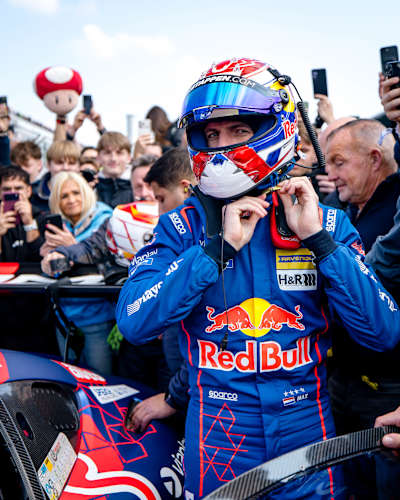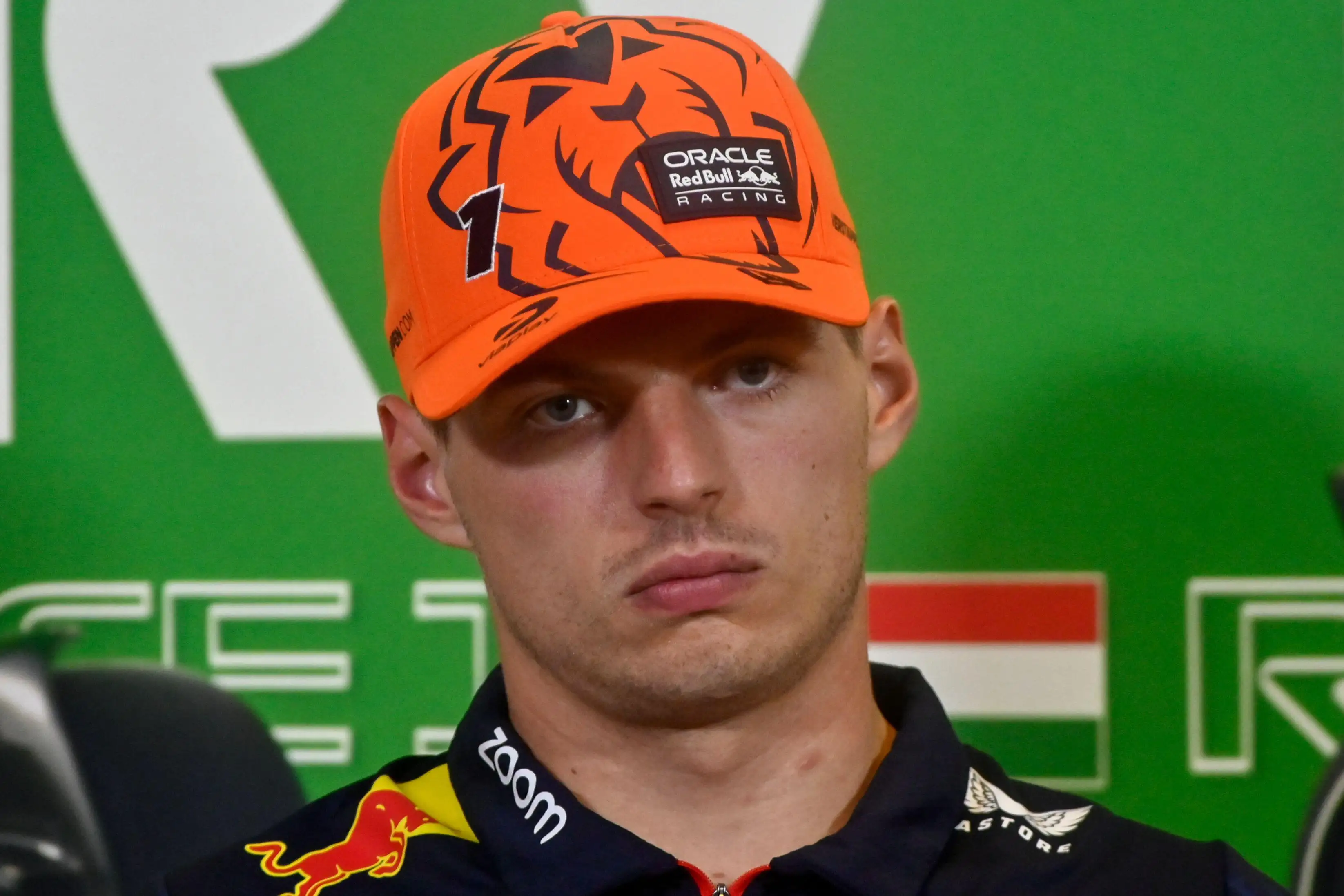
There is a specific kind of dread that sets in when a four-time world champion gets outqualified by a midfield rookie in his own teammate's slipstream. Red Bull fans of a certain vintage remember it well. It is the dread of 2014.
That was the year Sebastian Vettel — fresh off four consecutive titles — was systematically dismantled by his new teammate Daniel Ricciardo, finished 70 points behind him in the standings, and quietly engineered his own exit to Ferrari at the end of the season. It was the most spectacular collapse of a champion in modern F1 history. And after Verstappen's Japanese GP weekend, the F1 Yapathon podcast is openly arguing it is happening again.
"How many of you remember Sebastian Vettel's 2014 season at Red Bull? You know, fighting the car and getting outqualified by your new teammate," the F1 Yapathon host said. "Well, it seems like Verstappen's 2026 season is the exact same thing. He got knocked out in Q2 by a VC car."
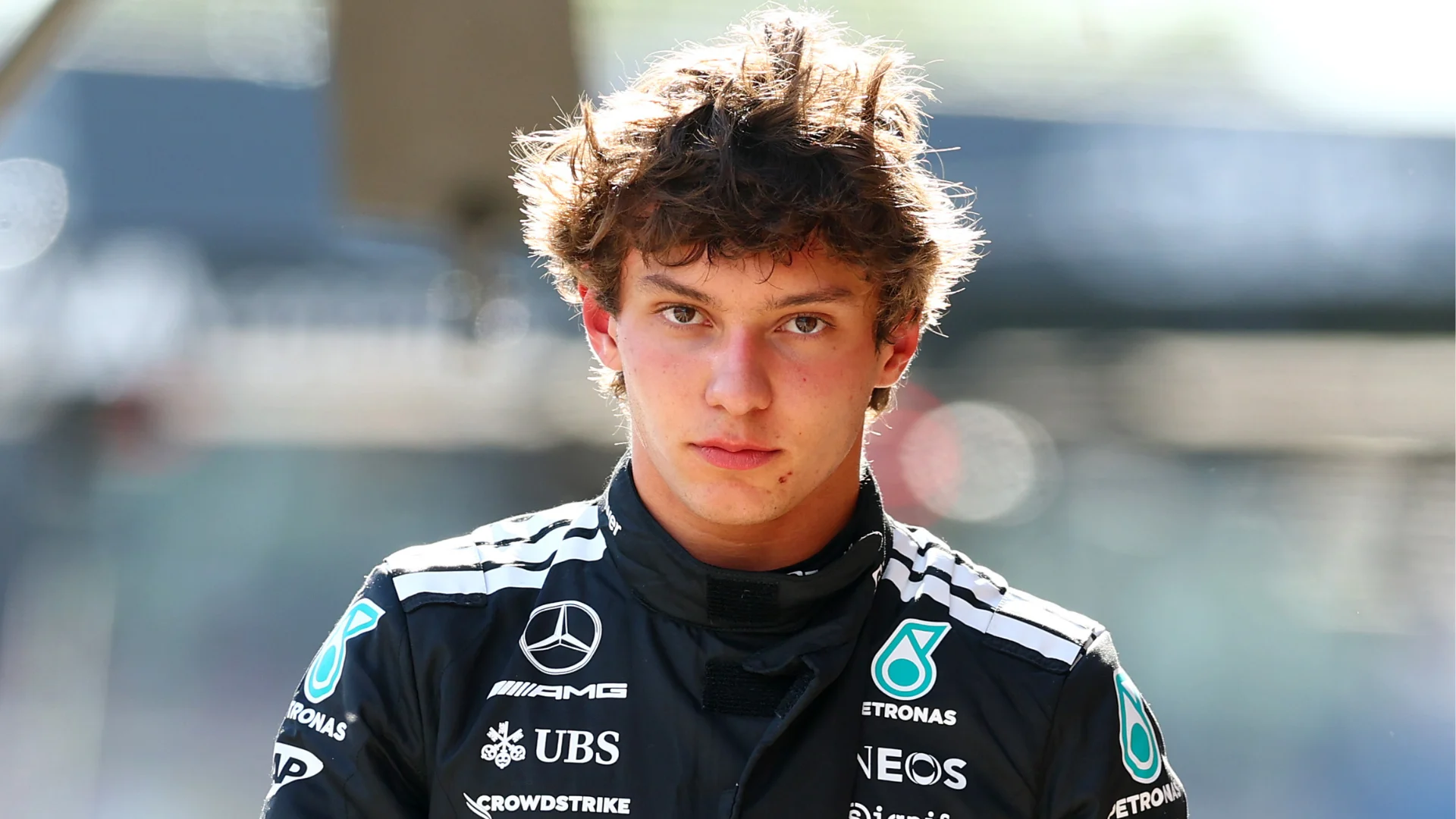
The "VC car" is Visa Cash App RB — the renamed sister team — and the Q2 elimination at Suzuka was the moment the parallels stopped feeling theoretical. Hadjar, a Red Bull junior driving the junior-team car, beat the four-time champion to the top-ten shootout. Verstappen's own response was uncharacteristically resigned.
"Yeah, but I think we have bigger problems than what we had last year," Verstappen said. "Some parts of the car at the moment are not working how we want them to."
For anyone tracking the data, the comparison has weight. In 2014, Vettel's symptoms were almost identical to what Red Bull's pit wall is now seeing with Verstappen: a car the lead driver could not get to its operating window, unexpected losses to a younger and more adaptable teammate, and a regulation change that had stripped away the underlying advantage that made the previous era possible. In 2014 it was the move to V6 hybrids and the front of the Mercedes power unit era. In 2026 it is the move to 50/50 ICE-ERS, active aerodynamics, and Mercedes once again with what looks like the dominant power unit.
The F1 Yapathon analysis is not the only paddock voice now drawing the line. The host went further, noting the broader picture: Verstappen losing his composure in press sessions, public criticism of the regulations from senior figures, and a public reframing of his own ambitions toward sports car racing and the Nurburgring 24. "This is not sustainable for us as well as a team," Verstappen himself acknowledged in another team radio captured during the same weekend.
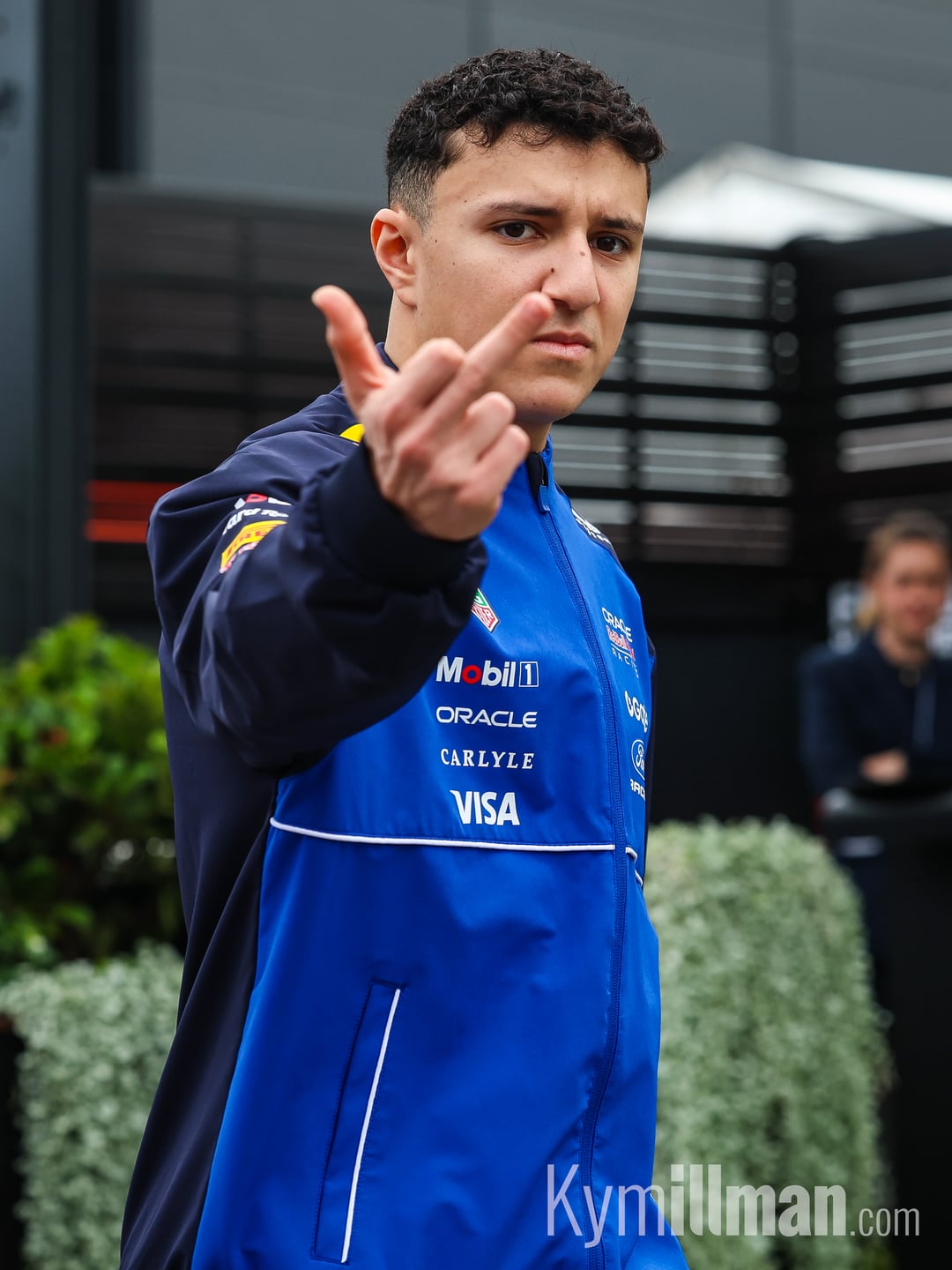
What makes the parallel especially uncomfortable is what Vettel did next. After 2014 he left for Ferrari, citing fit, philosophy and a need for change rather than the politics that observers actually suspected. The Verstappen-McLaren-Mercedes rumour mill in early 2026 is following an almost identical script: officially nothing, unofficially everything — Lambiase to McLaren, Mercedes' interest never quite confirmed but never denied, and Helmut Marko openly conceding the situation is delicate.
The F1 Yapathon host did concede one important caveat: Verstappen, unlike Vettel in 2014, has the advantage of being the political centre of gravity inside Red Bull rather than the casualty of it. The Ricciardo factor in 2014 was that Vettel was being beaten by a teammate with a stronger internal mandate. Hadjar, however gifted, is not in that position.
But as a snapshot of where 2026 is heading, the comparison is fair. A champion accustomed to leading a programme is now being asked to make peace with a car that doesn't suit him, in a regulation he openly hates, while a younger Mercedes driver — Kimi Antonelli, currently leading the championship — collects three wins in a row. If Verstappen's 2026 is not Vettel's 2014, the symptoms have at least learned the choreography.
---