Formula 1 has agreed in principle to rewrite a central plank of its 2026 power unit regulations after just four races, with the engine power split set to move from the current 50/50 target closer to a 60/40 internal combustion to electric balance for the 2027 season.
The shift, confirmed during the build-up to the Canadian Grand Prix, comes with the irony of all ironies attached: Formula 1's chief executive Stefano Domenicali had spent recent months publicly insisting the 2026 ruleset was being embraced by everyone in the sport. Now the sport's stakeholders are tweaking that exact ruleset before the championship even reaches summer.
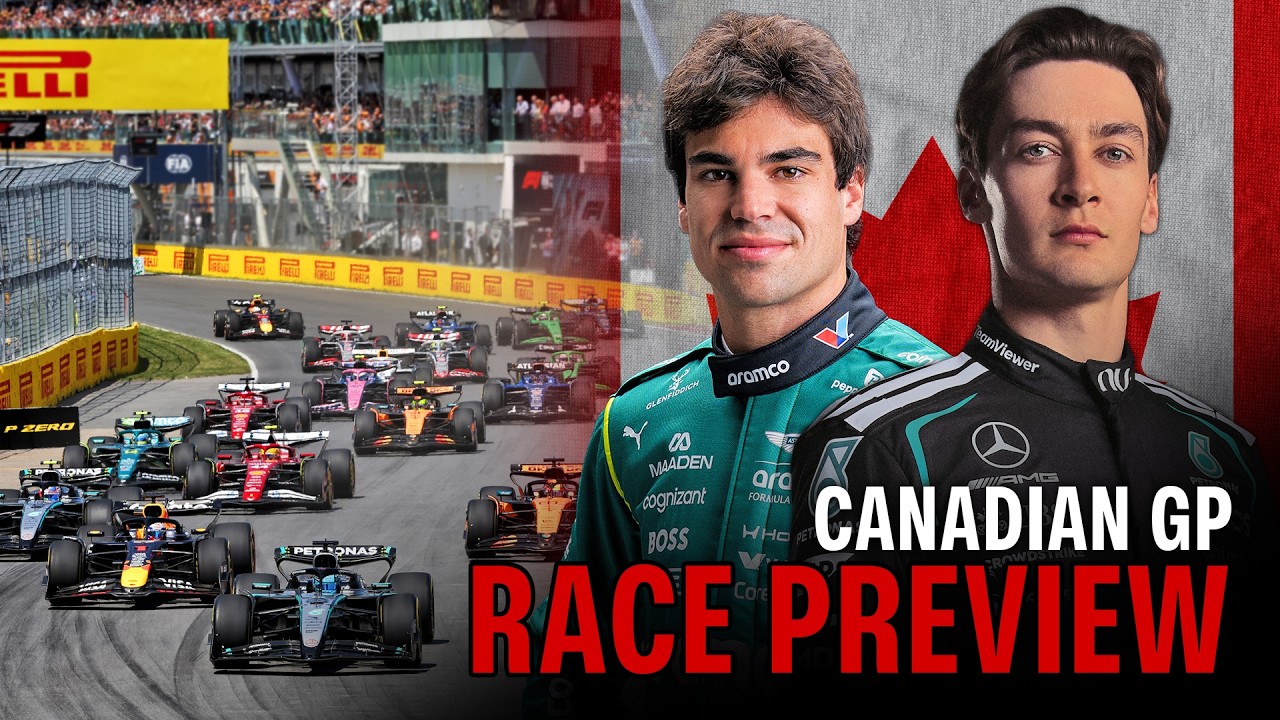
Formula Sean, in his Canadian Grand Prix preview podcast, distilled the change for fans cleanly.
"There has been an agreement reached in principle to make changes to the current set of engine regulations for 2027 — and that is just four races into this new regulation era that Stefano Domenicali keeps telling us everyone loves," he said.
The objective, he explained, is to restore a more natural feel to the cars in qualifying and racing trim. The advertised 50/50 split between the internal combustion engine and the electrical side of the 2026 power unit had in practice landed nearer 55/45. Pulling that towards 60/40 is intended to reduce the in-race energy management burden on drivers, increase the maximum continuous power available from the engine, and reduce the lift-and-coast theatre that drivers have privately complained about all year.
"The plan is to get rid of the 50/50 but not really 50/50 split in power between the internal combustion engine and the electrical side. Instead, the sport is looking at getting closer to a 60/40 split," Formula Sean said. "Given that the 50/50 split actually ends up being more like 55/45, this isn't exactly a huge change, but the hope is that with the reduction in energy demands from the battery, coupled with the increased power from the engine, the car should be able to run a bit more flat out and be a bit more intuitive for the drivers as well."
The other piece of regulatory housekeeping carries far more immediate weight: this weekend's Canadian Grand Prix is the cutoff for the first Additional Development and Upgrade Opportunity, or ADUO, monitoring period of the 2026 season.
The ADUO system was designed to stop any one engine manufacturer running away with the championship by entrenching a power deficit that the other manufacturers cannot legally close inside the season. Under the framework, the FIA evaluates each engine after the first five rounds and compares it to the best-performing internal combustion engine on the grid.
"Engine manufacturers who are deemed to be 2% or more behind the best-performing internal combustion engine, but less than 4% behind after the first monitoring period, will be allowed to make one additional upgrade to the engine this season and one additional upgrade next season," Formula Sean explained. "If an engine is considered to be more than 4% behind, then they will receive two additional upgrades."
In practical terms, those two thresholds matter most to Ferrari and Honda — the manufacturers whose form so far has prompted the loudest noise about reliability and outright power. The Canadian Grand Prix becomes a measurement moment rather than just a race. Results communicated after the chequered flag on Sunday will determine which manufacturers receive ADUO upgrade tokens to push back into contention.
Taken together, the two threads tell a coherent story. Formula 1 is admitting, gently but firmly, that the 2026 regulations as written have produced a season the sport does not want to repeat in 2027 — and is using the next four weeks to start adjusting both the long-term ruleset and the short-term competitive balance simultaneously.
---
*Originally published on [News Formula One](https://newsformula.one/article/f1-2027-engine-60-40-power-split-aduo-cutoff-canada-domenicali-formula-sean). Visit for full coverage.*