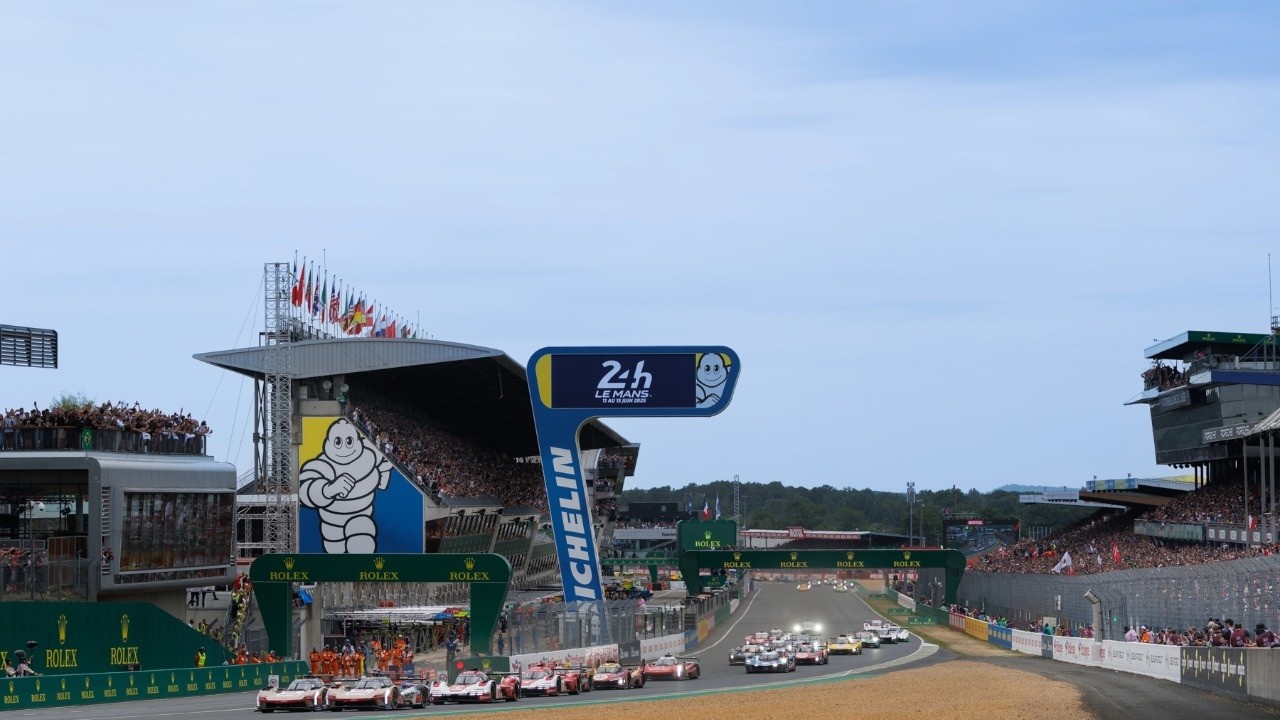
The 24 Hours of Le Mans has rarely been easy to predict, but the 2026 edition is shaping up as perhaps the most unreadable in the Hypercar era — and the people who build and drive the cars are the first to admit it.
A cluster of variables has scrambled the form guide ahead of next week's running. Crucially, teams have barely 12 hours of 2026 race data to work from after the Qatar opener was pushed back to October, leaving only the early European rounds as a guide. Every Hypercar has also been rehomologated through a new wind tunnel, Windshear, after the championship moved away from Sauber's facility — meaning aerodynamic baselines have effectively been reset.
Then there are the tyres. Michelin has introduced a new construction made from 50 percent sustainable materials, and with limited running on them, nobody is entirely sure how they will behave over a 24-hour race. The prospect of quadruple stints — running a single set far longer than usual — could further flatten the strategic differences between teams.
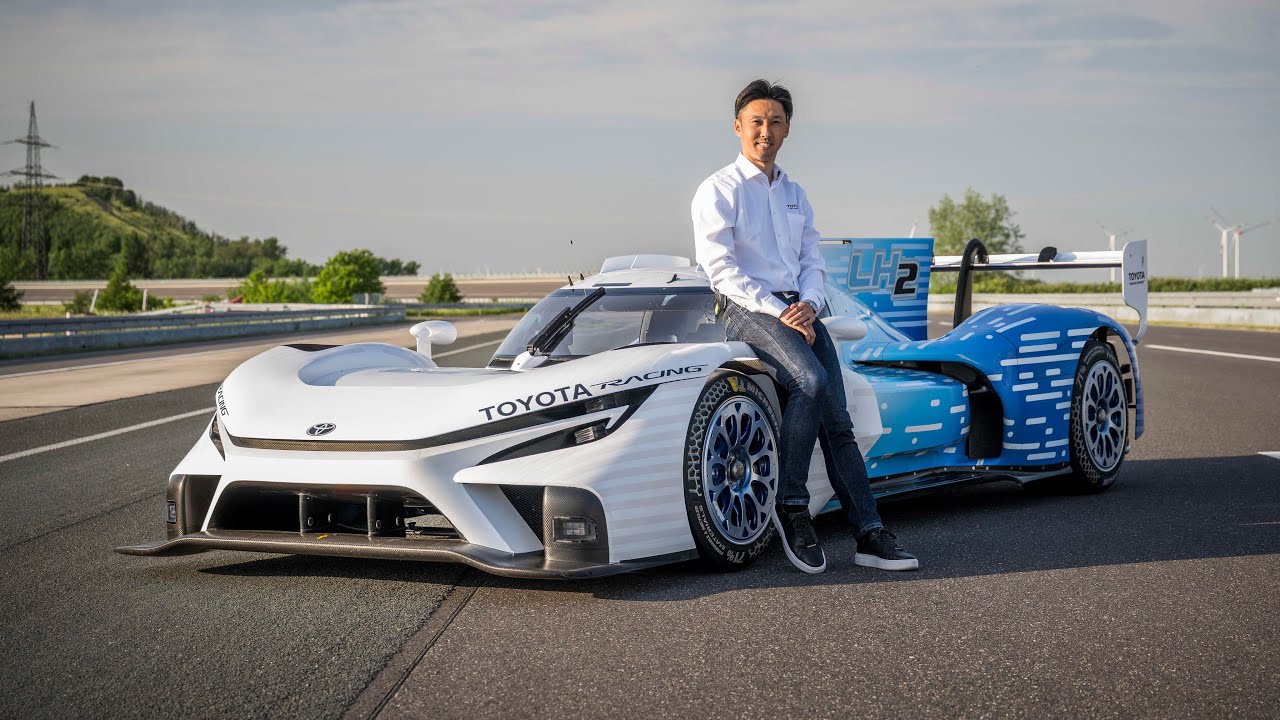
"The new tyres do not behave exactly like before," said Toyota technical director David Floury. "It's not a revolution, but there are some differences. We need to understand them."
That uncertainty is amplified by a Balance of Performance methodology the organisers keep tightly under wraps, making it almost impossible for teams to second-guess where their rivals will sit on race week.
For Cadillac, returning with renewed factory intent, the message from the garage is to wait and see. "There is no place like Le Mans, so even with trends we will have seen in the opening WEC races we are not going to know until we get there," said Jota Cadillac technical director Tomoki Takahashi.
Driver Sebastien Bourdais was even blunter about how little anyone can read into the build-up. "I don't think we are going to know much until the flag drops," the four-time Champ Car champion said.

On paper, the list of genuine contenders is long. BMW arrive as Spa winners, Ferrari were third there, and Toyota took victory at Imola. Cadillac's factory effort completes a quartet of cars capable of winning outright. Behind them, Aston Martin (fourth at Spa), Alpine and a Peugeot squad that took pole at Imola all have the speed to feature if the race comes to them. Genesis, the newest manufacturer on the grid, was eighth at Spa as it continues to find its feet.
With so many teams clustered together and so little reliable data to lean on, the smart money may simply be on chaos. Reliability, tyre management and the lottery of a secret BoP could matter more than raw pace — and as Bourdais put it, the picture will not clear until the cars are unleashed on the Circuit de la Sarthe. For a race that already prides itself on humbling the favourites, that is an ominous starting point.
---