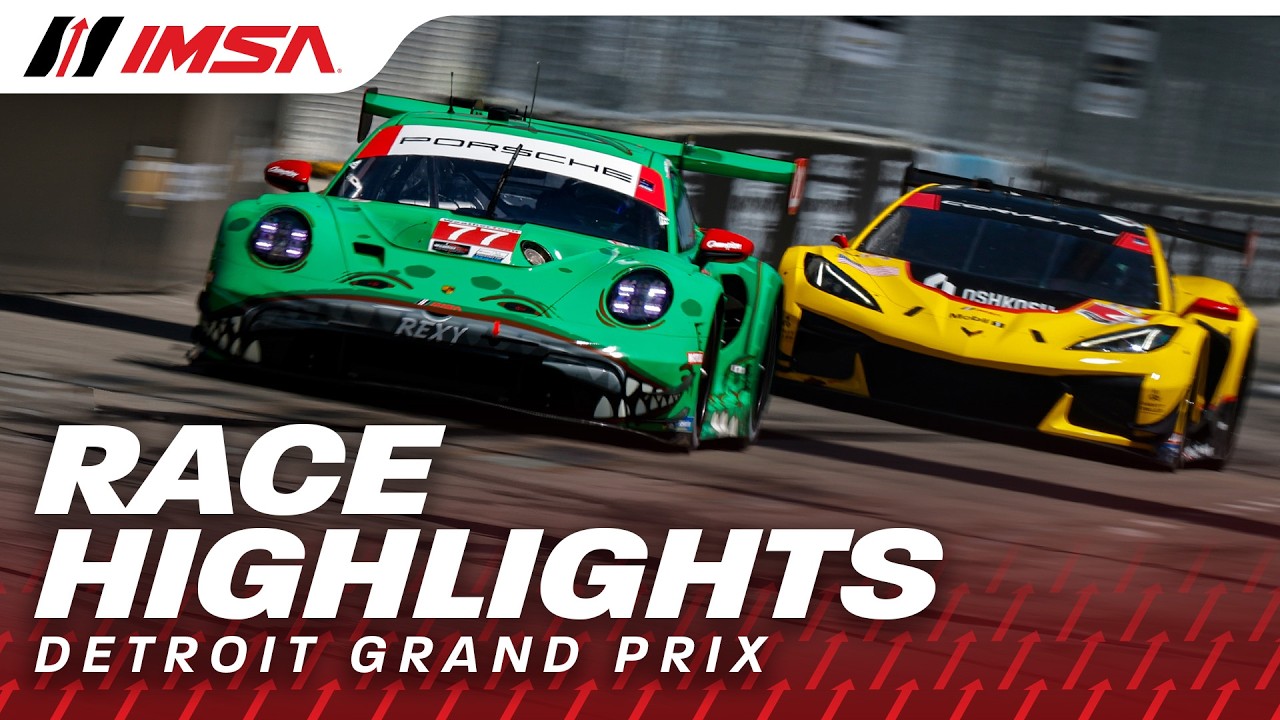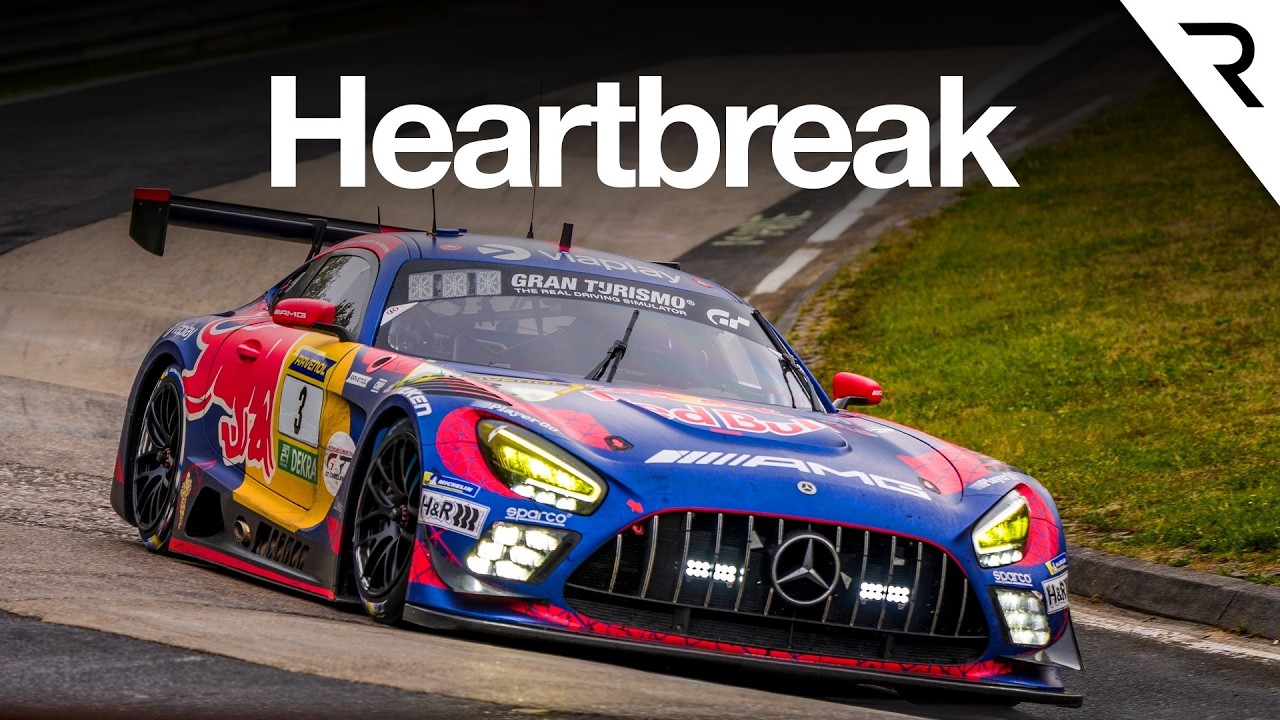
When the 2026 24 Hours of Le Mans lines up next week, one of the most successful names in the race's history will be conspicuous by its absence. For the first time since the Porsche 963 arrived in 2023, no factory or customer Porsche will contest the Hypercar class at La Sarthe, a striking gap in a category the German manufacturer once seemed certain to define.
The roots of the absence lie in Porsche's decision, announced last October amid declining road-car sales, to close its works LMDh programme at the end of the 2025 season. That left the 963's survival in the World Endurance Championship resting on customer squad Proton Competition. But Proton confirmed it lacked the funding to expand to the two-car operation that the rules demand, and ultimately withdrew from the Hypercar class altogether.
That proved decisive because of the FIA and ACO's two-car mandate, which states that a manufacturer must field at least two full-season Hypercar entries in the WEC to be eligible for Le Mans. With no factory effort and no two-car customer programme, Porsche had no route onto the grid, even though it had earned an automatic Le Mans invitation by winning the IMSA title in the United States.

ACO president Pierre Fillon made clear there would be no special treatment, saying it would "not be fair" to grant Porsche an exception to a rule that applies equally to every manufacturer. He stressed that the two cars can be privateer entries, but that the manufacturer remains responsible for nominating them and meeting the associated fees.
A late effort to keep a 963 in the field as a privateer came to nothing. Penske Racing president Jonathan Diuguid ruled out an independent entry, while Proton boss Christian Ried had already all but ruled out finding the budget to run two cars. Despite involvement from Porsche, Penske and commercial partners, a viable two-car package could not be assembled in time.
The sting is sharper given how close Porsche came to victory only twelve months ago. In 2025 the number six Porsche Penske Motorsport 963 of Kevin Estre, Laurens Vanthoor and Matt Campbell finished second overall, just 14 seconds behind the winning AF Corse Ferrari after a full 24 hours of racing. Porsche remains the most successful manufacturer in Le Mans history with 19 overall wins, and its pursuit of a record-extending 20th has now been put on hold.
The knock-on effect is a slimmer top class. The Hypercar field for the 2026 race has fallen to 18 cars, down from 21 last year, although the arrival of Hyundai's Genesis Magma Racing with two new prototypes has softened what would otherwise have been an even steeper drop.
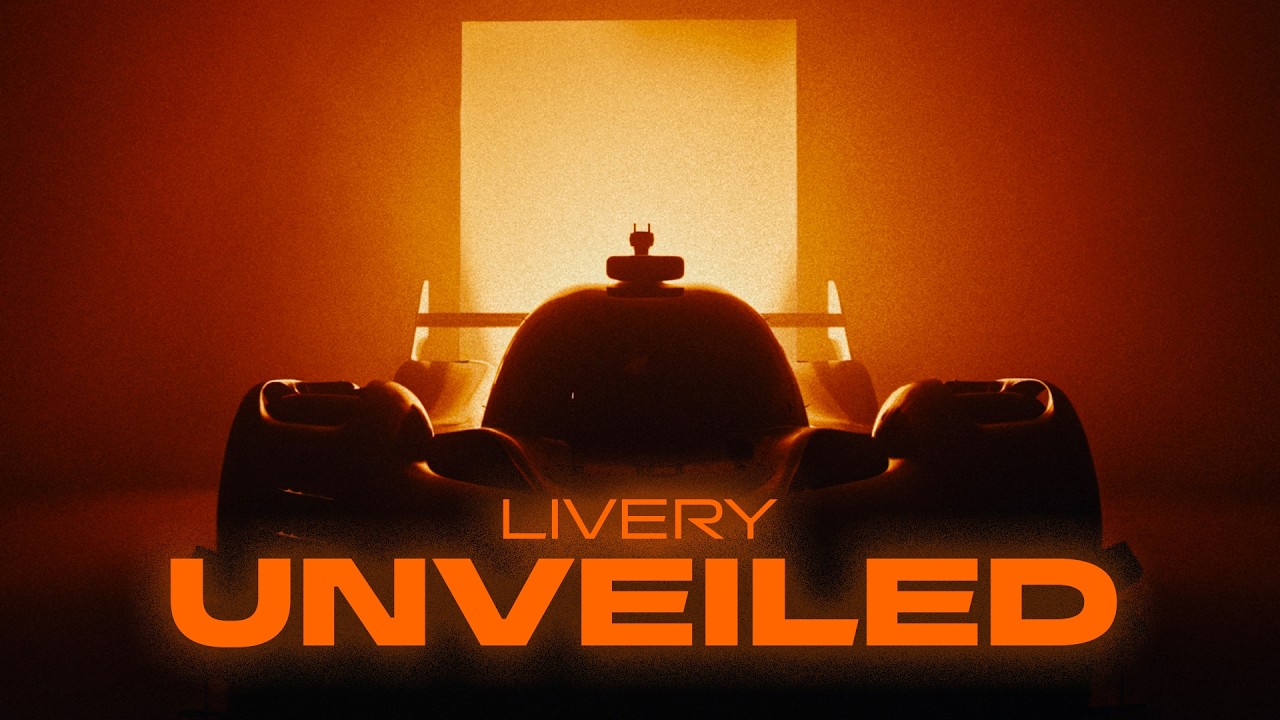
Attention now turns to the contenders who are present. Ferrari arrives chasing a fourth straight Le Mans win with the 499P, a result that would lift the marque to 13 overall victories and match Audi's tally. But with Toyota and BMW already winning races earlier in the season, and the WEC no longer publishing Balance of Performance figures before events, the fight at the front looks closer than it has in years, even without Porsche in the mix.
---