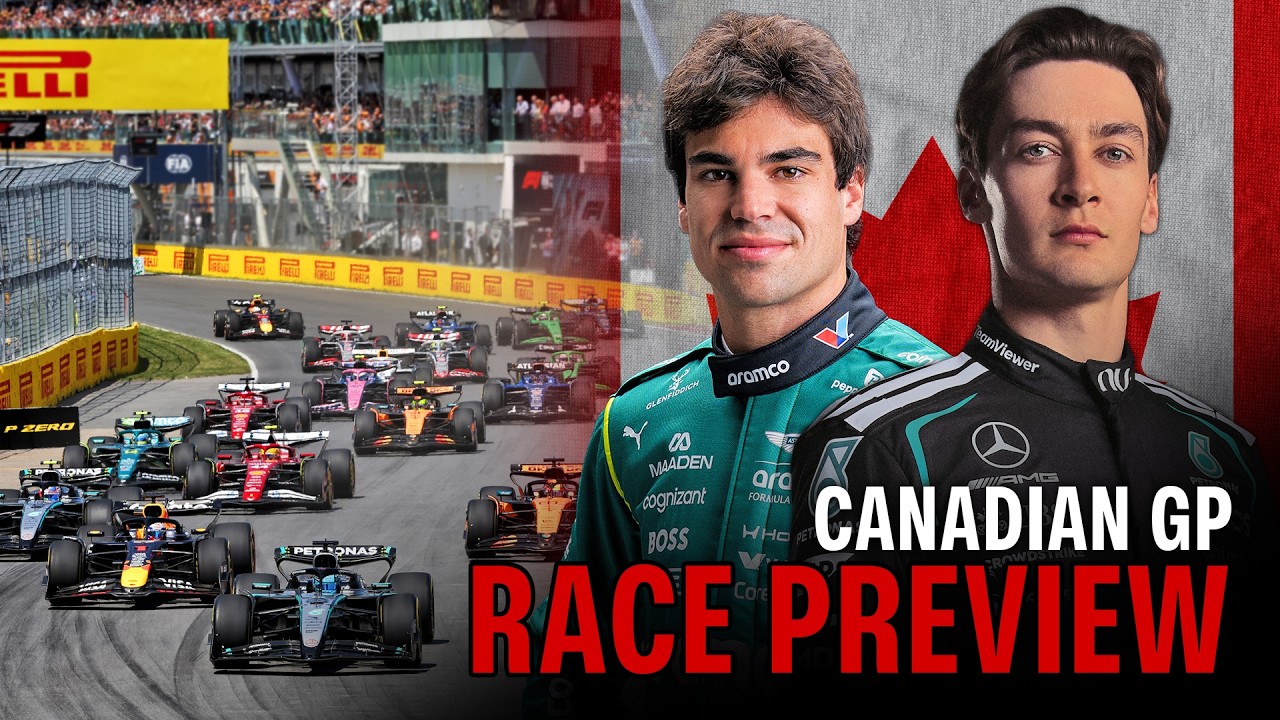
Circuit Gilles-Villeneuve will host F1's Sprint format for the first time in its 48-year history this weekend, condensing the schedule into a sequence that gives teams just one hour of practice before parc ferme conditions lock in.
The format reads on paper as a high-risk gamble. The track is a stop-go semi-permanent layout, ringed by concrete walls, with a Turn 14 exit that has been retiring world champions for three decades. The Sprint structure replaces FP2 and FP3 with a Sprint qualifying session on Friday, a 100-kilometre Sprint race on Saturday morning, and full grand prix qualifying on Saturday afternoon. The race itself stays on Sunday.
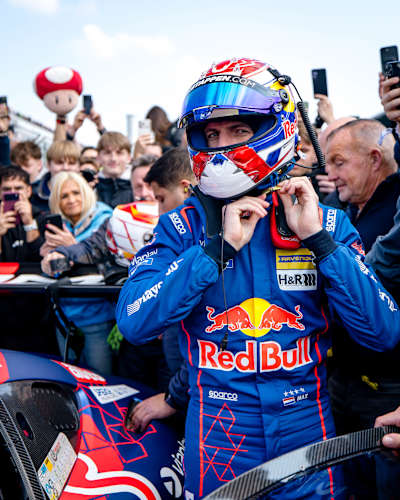
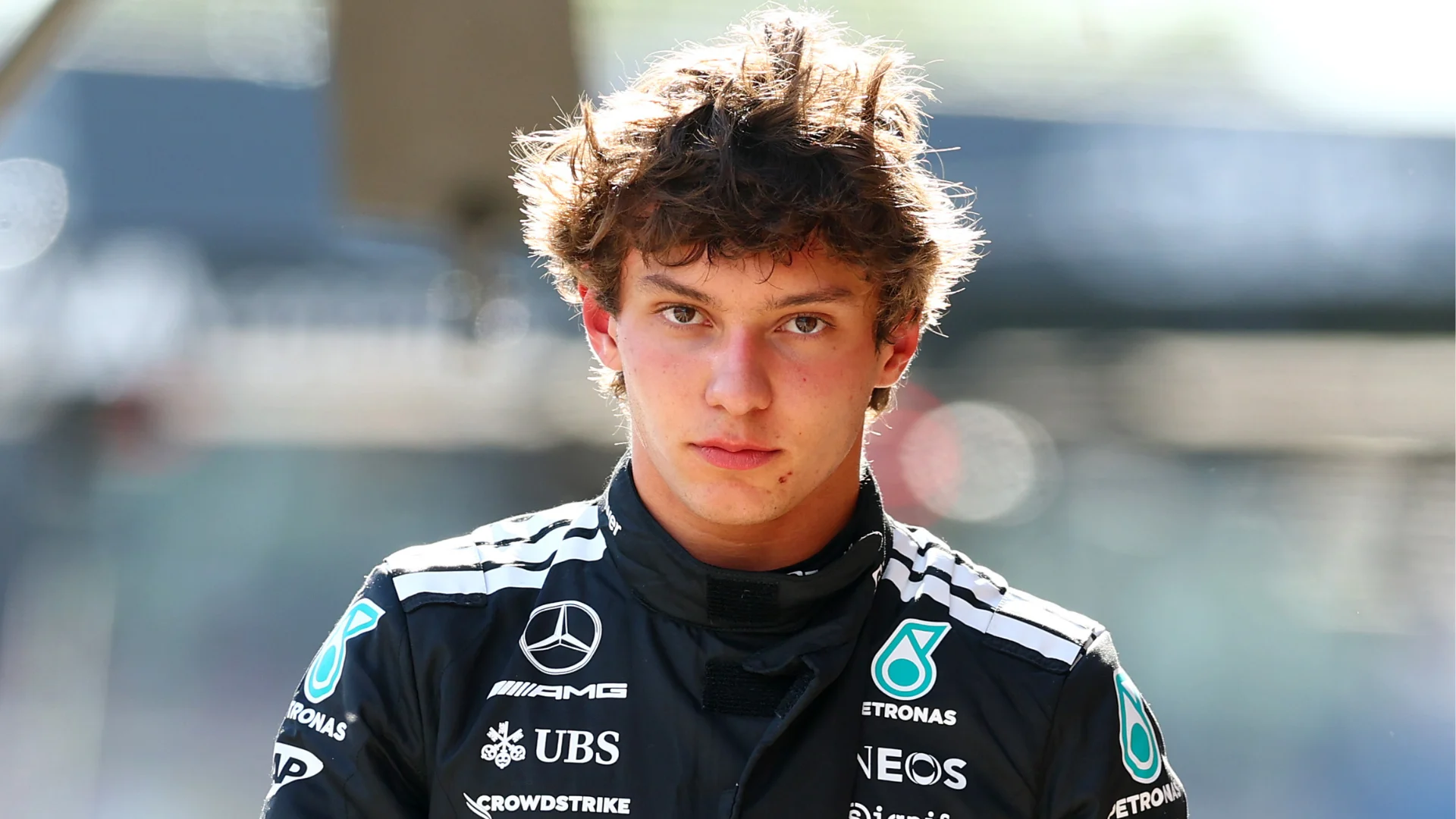
For any driver new to Montreal, that one practice hour is the entire car-setup budget. For any driver new to F1 — meaning Kimi Antonelli, Gabriel Bortoleto, Isaac Hadjar and the rest of the 2026 rookie cohort — it is the only time the walls can be measured by feel before the racing starts. Antonelli, the championship leader, has not turned a wheel in anger at Circuit Gilles-Villeneuve. He arrives with a 20-point lead, three wins from four, and a Sprint format that strips out the rehearsal time most rookies depend on.
The format also bites in a second way. Mercedes have already won every Grand Prix and taken every pole this season. McLaren, Ferrari and Red Bull are all chasing on upgrade tracks that, in Andrea Stella's reading, have closed the lap-time gap to inside a handful of tenths. Sprint weekends penalise teams that mis-time their upgrades. Friday is parc ferme. A change to the bodywork on Saturday morning that does not deliver as forecast cannot be undone before the Sprint, let alone before qualifying.
Andrea Stella told Autosport before flying to Montreal that he expects the rest of the field to land closer to Mercedes on this layout precisely because Circuit Gilles-Villeneuve does not reward Mercedes' favoured high-speed corners. Toto Wolff has confirmed Mercedes will introduce their first major upgrade package of the 2026 season here, and conceded the team will only know whether it works "on track and on the stopwatch." That uncertainty on the lead team's side is unusual.
There is one further regulatory wrinkle. The FIA's revised ADUO process — the catch-up mechanism for manufacturers assessed at 2-4% or more than 4% behind the best 2026 engine — uses a fixed monitoring window. That window closes after the Canadian Grand Prix. Anything Red Bull, Audi, Honda or Cadillac's late-arriving teams want to log into their dossier for additional development tokens needs to be on the timing sheets this weekend.
Weather is the final variable. Montreal's forecast for Sunday currently shows morning showers, afternoon cloud, around 23°C and a 30% chance of rain. Friday is dry. Saturday is overcast with a 15% rain chance. Race control will not face the lightning protocols that pushed forward the Miami start, but the 2024 Canadian Grand Prix delivered a wet-dry race that flipped multiple times between intermediates and slicks. The same forecast pattern, dropped onto a Sprint weekend with one hour of practice, produces the most chaotic strategy environment the early calendar has presented.
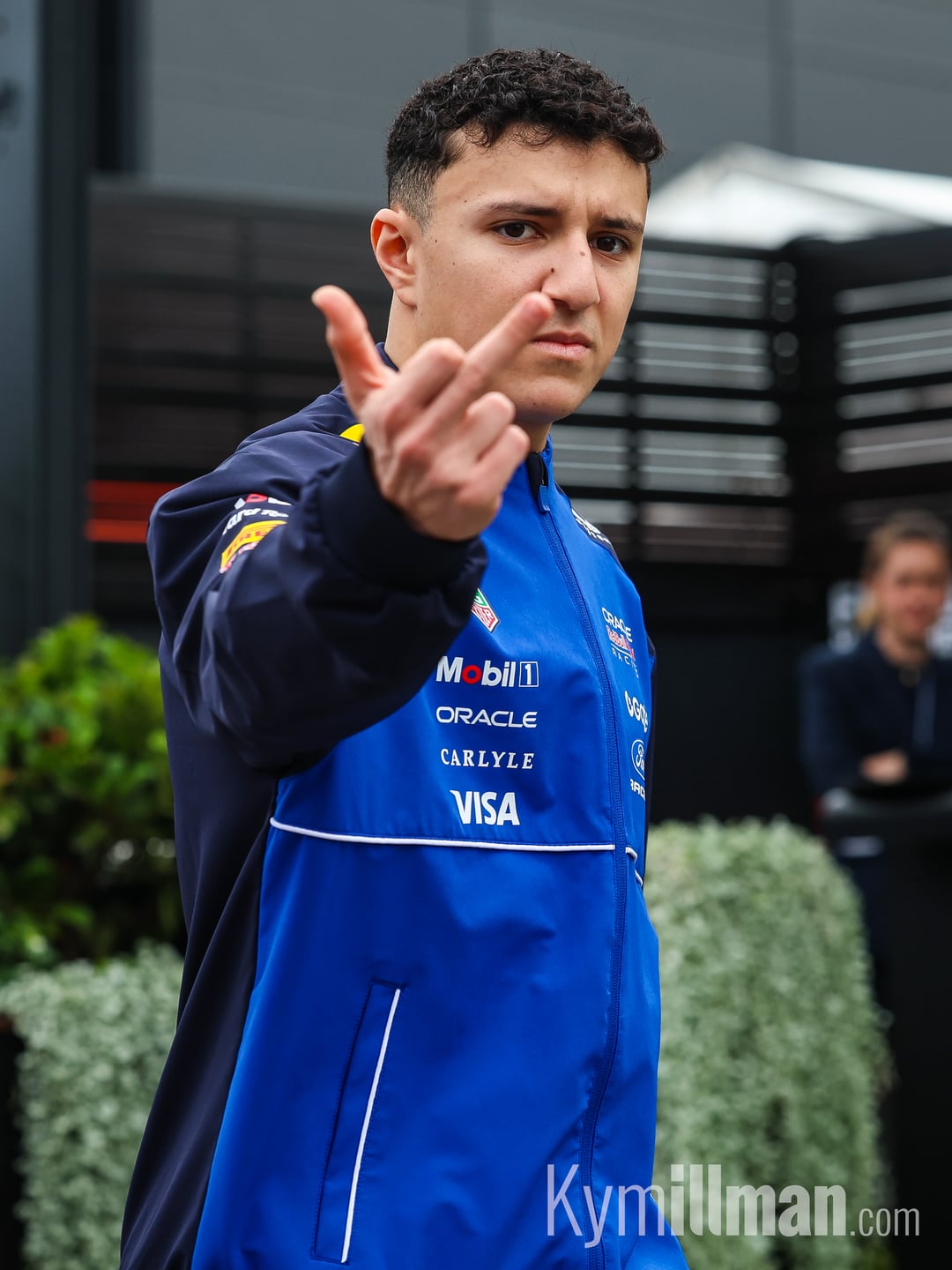
The storylines lining up are George Russell's strong Montreal record against Antonelli's title lead, the closing of the ADUO monitoring window, the first Canadian Sprint format and a Sunday forecast that will sit in every strategist's spreadsheet until the start. F1 returns to a circuit that already produces dramatic racing. The format and the regulations are doing the rest.
---