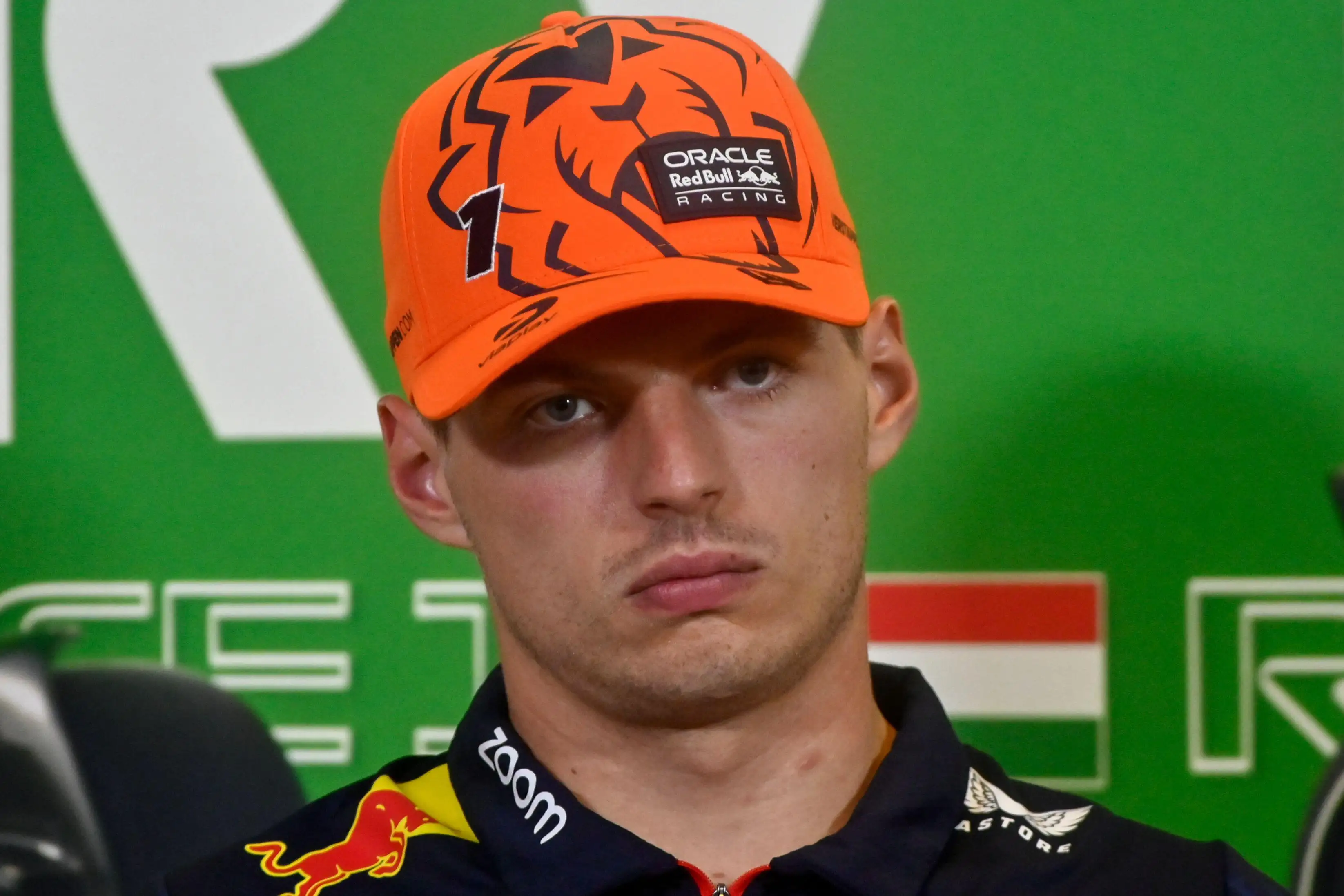
Max Verstappen arrived at Montreal having all but ended the will-he-won't-he conversation about 2027. By Saturday night in Canada, he had restarted it himself.
The four-time world champion qualified sixth for Sunday's Canadian Grand Prix, slower than Racing Bulls' Isack Hadjar and split from Charles Leclerc only by his own dissatisfaction with the Red Bull RB22. He had complained throughout the weekend about the car. He had complained on Friday that his feet were flying off the pedals. Saturday was no better.
Then, in the post-qualifying media pen, he reopened the future-of-Max question that the paddock had thought was finally closed.
Verstappen had given a sit-down interview to the Dutch newspaper De Telegraaf over the weekend, and according to Racing News365's Ian Parks, it had been the most definitive he had been on 2027 to date.
"He'd done an interview with the Dutch newspaper De Telegraaf over this weekend and he'd made pretty much as forthright as Max has been on this subject so far compared to everything he's said over the course of this season that he would be around next year," Parks said. "And we thought, okay, that's it. Finally, now we can potentially lay this story to rest. We can move on."
He has not moved on.
Between Miami and Montreal, F1 announced that the 2027 power unit regulations would be adjusted to a 60/40 split between combustion and electrical energy. The shift, away from the original ~50/50 weighting that had been baked into the 2026 rules, has been broadly read as a Verstappen concession from the FIA and the manufacturers. Verstappen had publicly called the change "very positive".

But fresh murmurs in the Montreal paddock suggest the 60/40 split is not yet locked in. Several manufacturers, Racing News365 reports, are quietly defending their original positions.
"Various manufacturers trying to defend their positions, and Max has come around, turned around and said this evening post-qualifying that if that's the case, if these changes do not take place, then it will mentally be not doable for him to stay in F1," Parks said. "That's pretty much an exact quote from Max on this. So yeah, this is a story that's going to run and run."
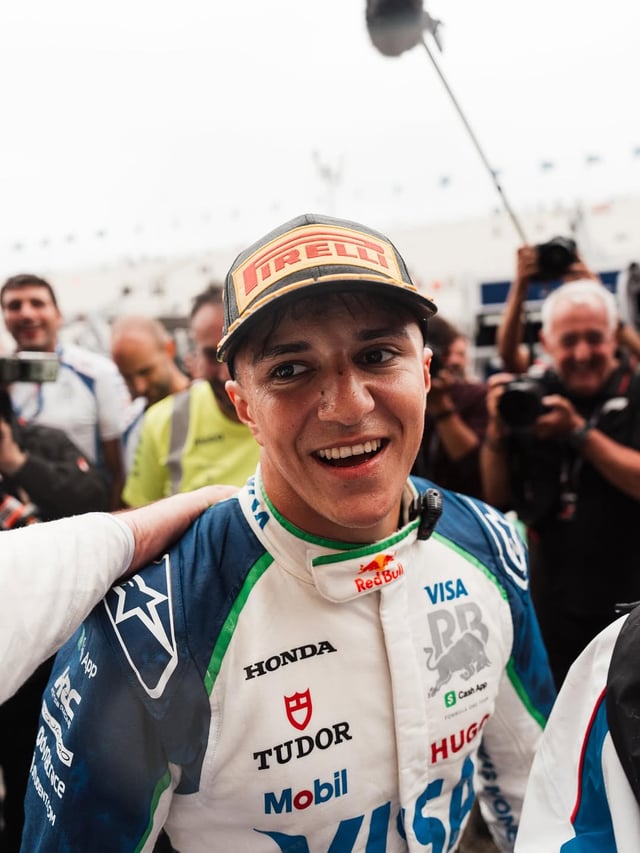
The on-track story underneath the political one is just as uncomfortable for Red Bull. Verstappen ran 327 km/h on the longest straight in qualifying. Hadjar, in a Racing Bulls fitted with a customer Honda PU, ran 330 km/h, three km/h faster.
"You can see where he's getting wound up," Windsor said on his own qualifying analysis. "The racing driver part of the lap, he's doing the job. 3 km/h quicker on an exit of a medium speed chicane, quicker than his teammate, who's very fast anyway. And then he's 3 km/h slower on the straight."
The combination, a car he can drag through corners but cannot keep on song down the straights, sits at the heart of Verstappen's mood swings in Montreal. The same combination is exactly what the 2027 regulations were supposed to fix.
---
*Originally published on [News Formula](https://newsformula.one/article/verstappen-mentally-not-doable-2027-engine-split-canada-quali-2026). Visit for full coverage.*