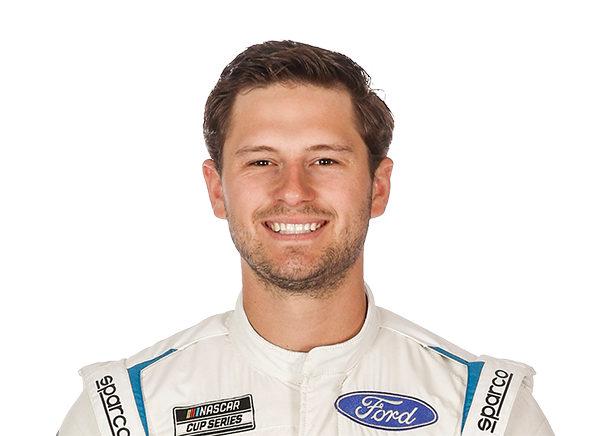
At just 24 years old, Todd Gilliland represents both the promise and patience required in NASCAR's premier Cup Series. The son of veteran driver David Gilliland, Todd has carved his own path through motorsport's ranks, currently piloting the No. 34 Ford Mustang Dark Horse for Front Row Motorsports in NASCAR's top division.
Born on May 15, 2000, Gilliland's introduction to racing reads like a story tailor-made for motorsport folklore. His journey began at the remarkably young age of three when his parents purchased a pink Barbie Corvette – later repainted black – complete with modified pedals and an additional battery for extra speed. This humble beginning on neighborhood streets would evolve into a quarter midget career on dirt tracks, setting the foundation for what would become a professional racing career.
The early years of Gilliland's development showcased both natural talent and the wisdom of patient progression. After starting competitive racing at age five, his father David made the strategic decision to pause Todd's racing activities for two years, allowing the young driver to mature both personally and behind the wheel. This measured approach would prove prescient when Gilliland returned to competition in 2012 with a vengeance.

Career Journey
That comeback year marked a breakthrough moment in Gilliland's career trajectory. He captured championships across multiple series, including the North Carolina Quarter Midget Association, the USAC World Formula National Quarter Midget Championship, and West Coast competition. By the time he concluded his quarter midget career, Gilliland had accumulated an impressive 34 wins, establishing himself as one of the most promising young talents in American motorsport.
Qualifying
The transition from quarter midgets to full-sized stock cars began in 2013 when Gilliland made his limited late model debut, running three races to test the waters. The learning curve proved manageable for the young driver, and 2014 brought his first significant victories in late model competition. His maiden limited late model win came from pole position at Ace Speedway, followed later that year by his first late model victory at Southern National Motorsports Park.
Career Journey
These early successes demonstrated Gilliland's ability to adapt across different racing disciplines while maintaining the competitive edge that had defined his quarter midget career. The progression from micro-sprint cars to late models represented crucial steps in understanding racecraft, car setup, and the mental demands of wheel-to-wheel competition at higher speeds.
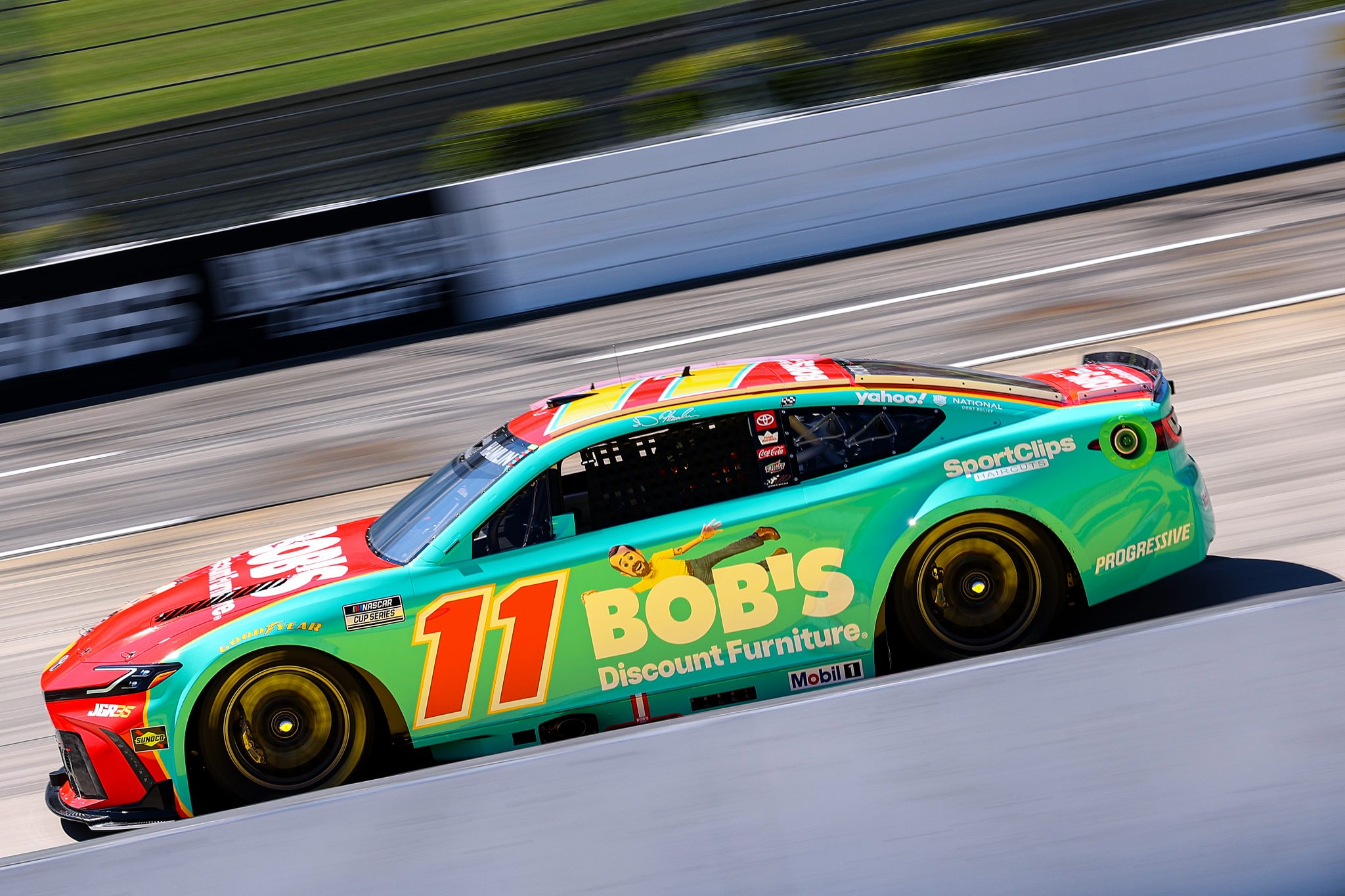
Gilliland's current role with Front Row Motorsports places him in a unique position within the NASCAR Cup Series landscape. Front Row Motorsports, while not among the sport's mega-teams, has established itself as a competitive organization capable of fielding strong equipment and providing opportunities for driver development. The team's Ford Mustang Dark Horse represents the latest evolution of NASCAR's Next Gen car, offering enhanced competition balance and technological advancement.
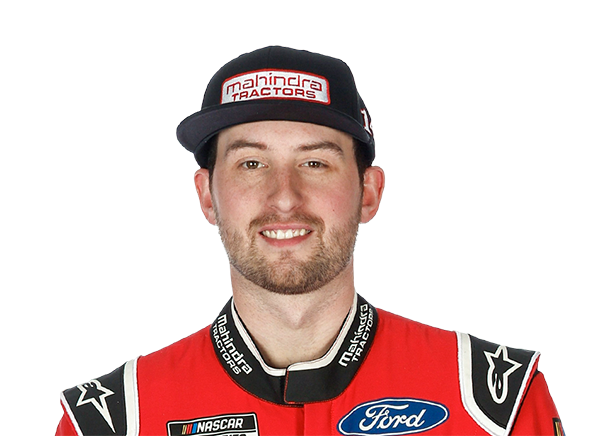
Operating the No. 34 entry puts Gilliland in company with Front Row's commitment to nurturing talent while competing at NASCAR's highest level. The organization has historically served as a launching pad for drivers seeking to establish themselves in Cup Series competition, making it an ideal environment for Gilliland's continued development.
While Gilliland's Cup Series statistics currently show zeros across wins, podiums, and poles, these numbers reflect the reality of competing in NASCAR's most competitive era. The Next Gen car has created unprecedented parity, where victory often depends on perfect execution of strategy, pit stops, and in-race adjustments rather than pure equipment advantages. For young drivers like Gilliland, success is measured in consistency, improvement, and the ability to maximize equipment potential.
The Gilliland name carries significant weight in NASCAR circles, with father David having competed extensively across multiple series and currently serving as owner of Tricon Garage. This family connection provides Todd with invaluable insight into both the competitive and business aspects of professional motorsport, advantages that extend beyond mere name recognition to practical knowledge about car setup, race strategy, and career management.
Gilliland's American nationality places him within NASCAR's traditional demographic, but his generation represents a new wave of drivers who grew up with modern racing technology and social media connectivity. This combination of traditional racing values and contemporary communication skills positions him well for building the fan relationships that increasingly define successful NASCAR careers.
Looking ahead, Gilliland's trajectory with Front Row Motorsports offers multiple pathways for career advancement. Strong performance could attract attention from larger teams seeking young talent, while continued development within Front Row could position him as a long-term cornerstone of the organization's competitive efforts.
The challenge facing Gilliland mirrors that of many young NASCAR drivers: converting obvious talent and extensive preparation into Cup Series success. His early career demonstrates the work ethic and adaptability necessary for this transition, while his family background provides both motivation and practical guidance for navigating NASCAR's complex competitive landscape.
As the NASCAR Cup Series continues evolving with new technical regulations and expanded competition, drivers like Todd Gilliland represent the sport's future. His journey from a modified Barbie Corvette to NASCAR's premier series embodies both the accessibility of American motorsport and the dedication required to reach its highest levels.