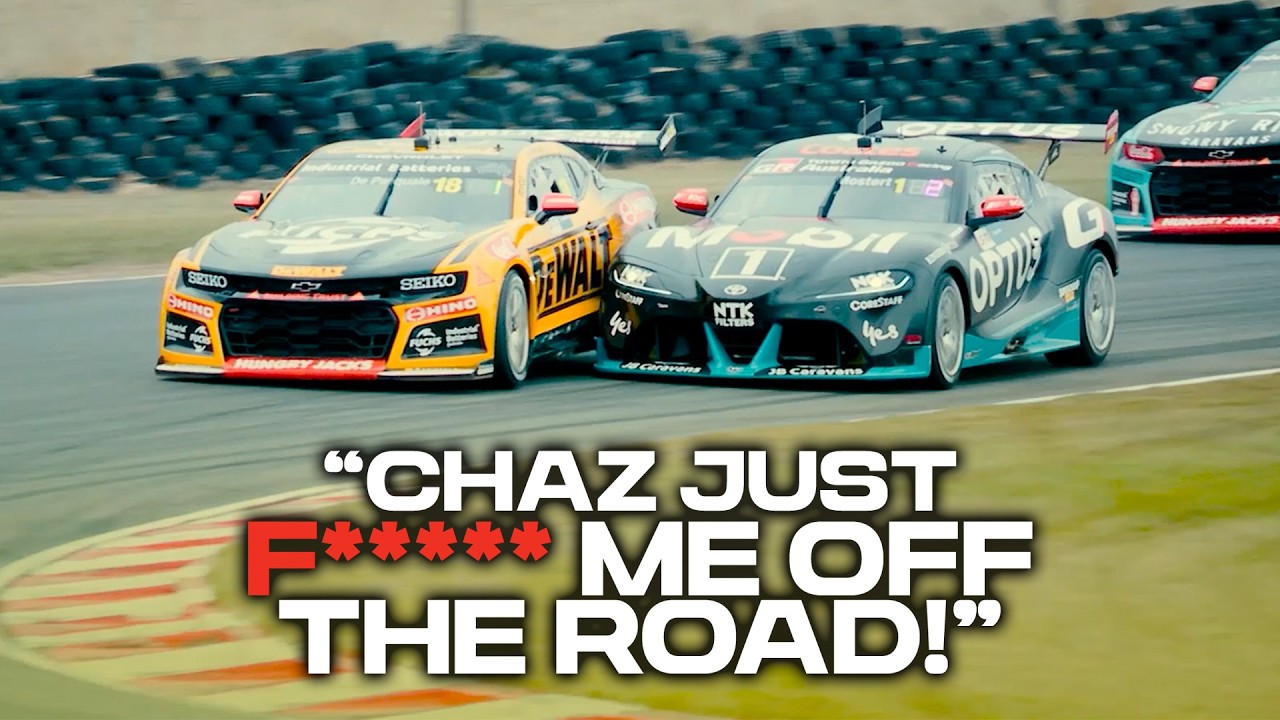
Supercars officials will have the power to pull a car out of a race in Darwin if its driver cooling fails — and the category's technical chief says they will not hesitate to use it.
The revised driver health and welfare rules take effect at the betr Darwin Triple Crown from June 19-21, traditionally one of the hottest rounds on the calendar. Hidden Valley is forecast to reach 31 to 33 degrees across the event.
Until now, teams could satisfy the heat policy with any one of three cooling methods — a cool suit, helmet air or seat cooling — once the ambient forecast topped 32.9 degrees. The new rules make two of them mandatory and independent: a constant stream of air to the helmet below 25 degrees, and water to the cool suit vest below 25 degrees, both monitored live via on-car sensors.
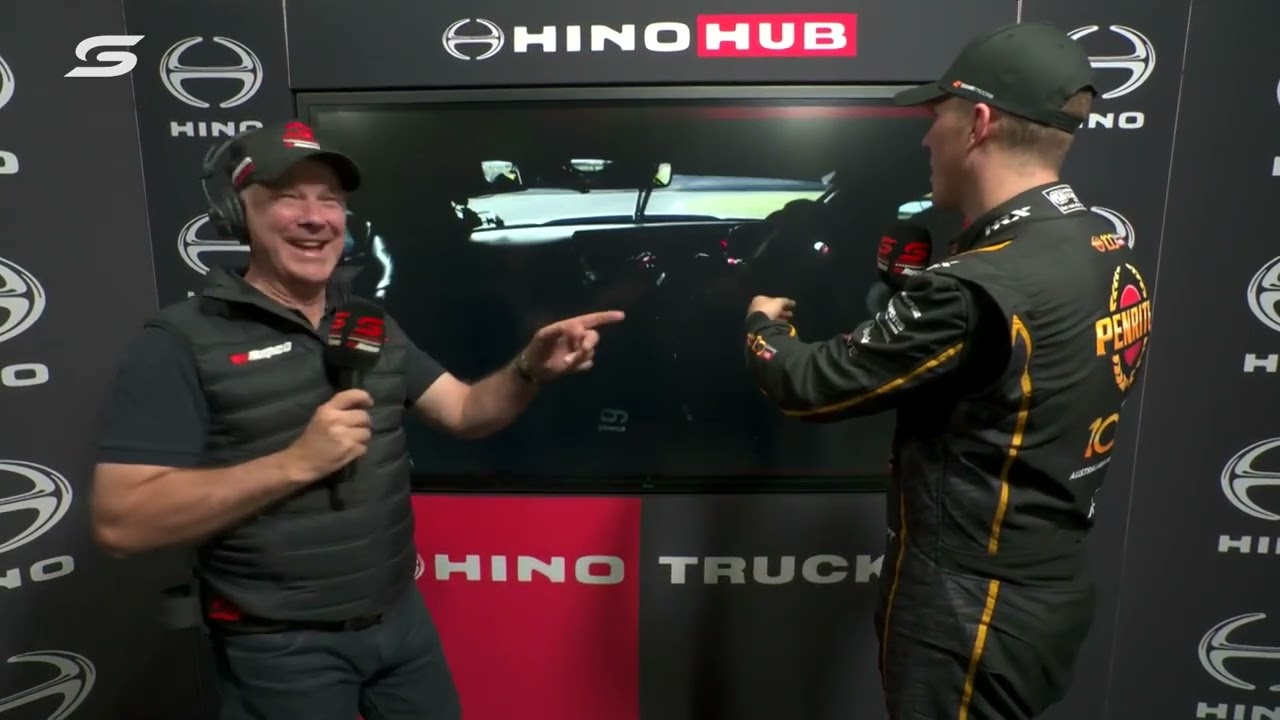
"This rule change ensures it's clear cut and defined," Supercars category technical manager Perry Kapper told Supercars.com. "Previously, there wasn't any requirement to have redundancy, and making the two methods mandatory achieves that."
If both systems fail, officials can order a car to the pits — or worse. Asked directly whether a car could be black-flagged, Kapper did not hedge.
"Yes, 100%," he said. "We're monitoring each car in real time, and should there be a breach, that car will be referred to the stewards."
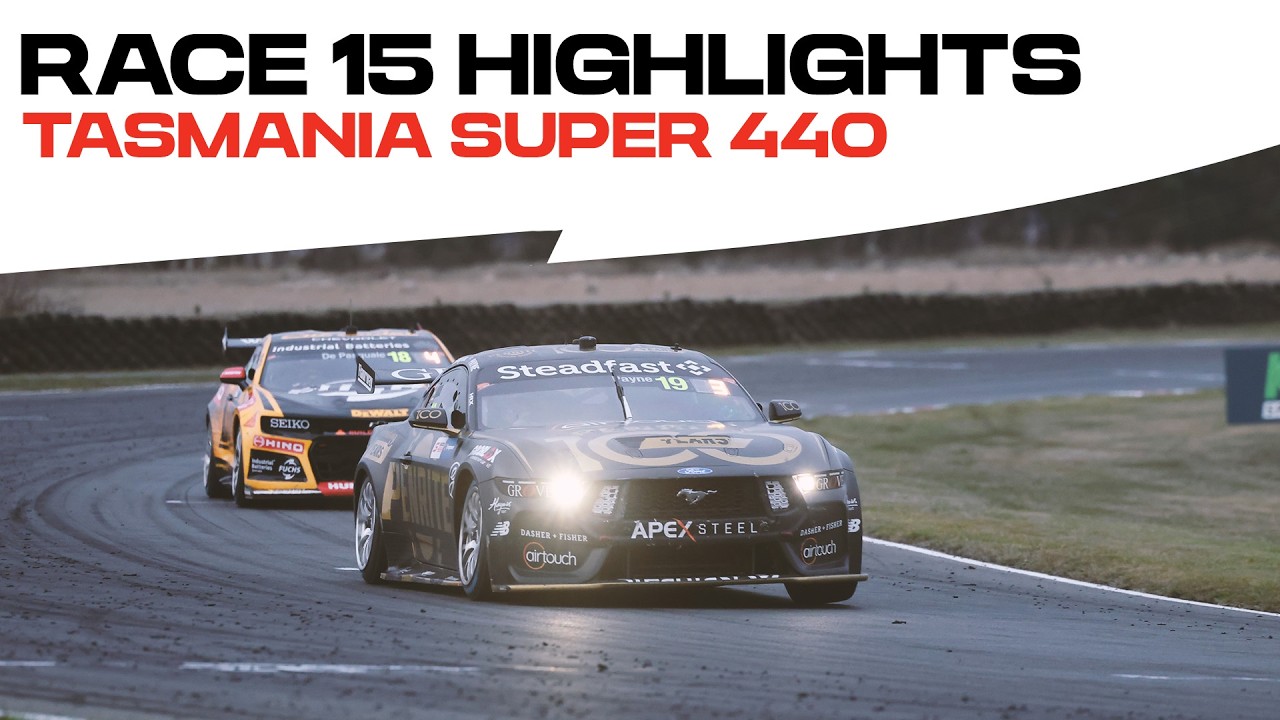
The crackdown follows a brutal season-opener in Sydney, where Broc Feeney, Will Brown and David Reynolds all struck cool suit problems in hot, humid conditions. No team was found to have breached the rules, though Team 18 was fined over a helmet air issue on Anton De Pasquale's car during the Top Ten Shootout.
Reynolds, who was nearly hospitalised after that Sydney finale, knows exactly what is at stake. He has described it as the worst he has felt in a race car.
"Obviously all the blood goes to your core, it leaves your extremities so all your veins collapse to push all your blood to your core, you are obviously struggling," Reynolds said. "That's a pretty telltale sign that I wasn't doing too well."
He backed the tougher stance without reservation.
"The category is cracking down on driver cooling, which they should all the time anyway," Reynolds said. "It's a very, very good thing. When your cool suit fails, especially on super hot days, it can be really detrimental to your health."

The risk is not theoretical. Cam Waters was forced to stop at the 2019 Adelaide 500 when his cool suit packed up, and Darwin's Top End humidity has long made Hidden Valley a survival test as much as a race. With two redundant systems now compulsory and stewards watching the telemetry, teams have little room to gamble on the weather.
---