
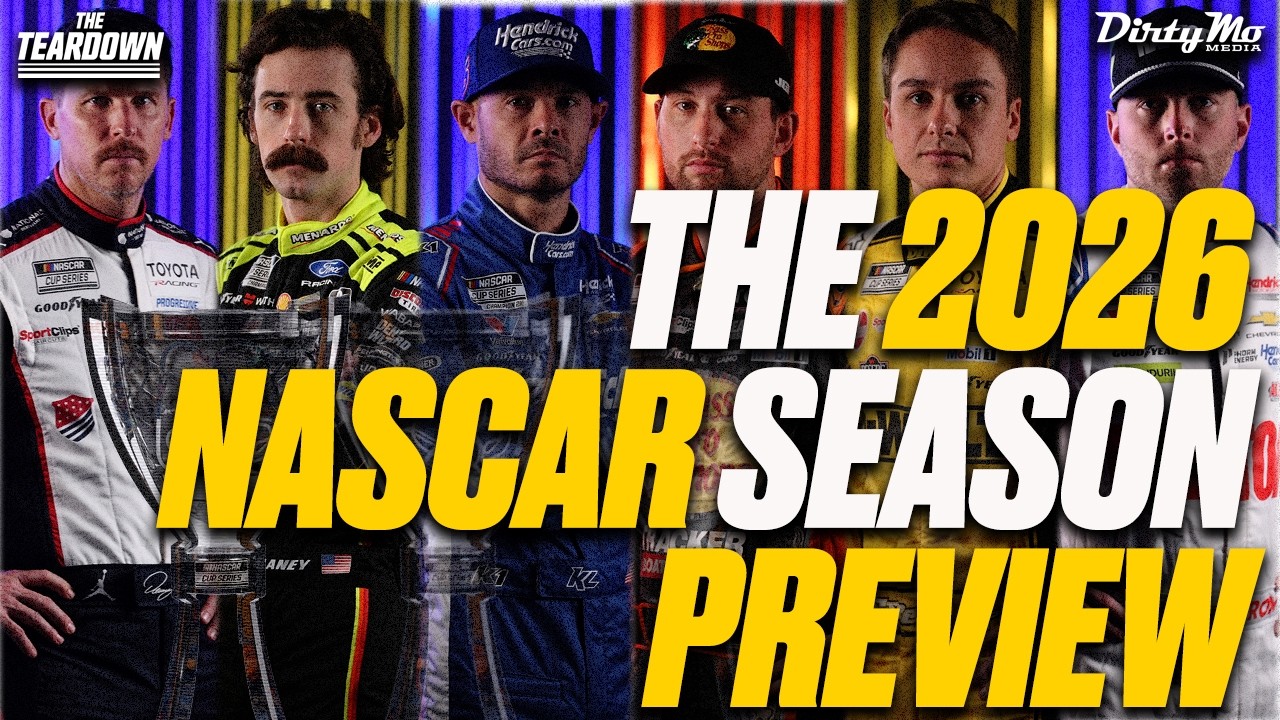
The 2026 NASCAR Cup Series has arrived with a structural reset that is changing how teams, drivers and analysts talk about the entire season. The win-and-in pathway into the playoffs is dead. This year the 16-car postseason field is set on points alone, the most significant qualification overhaul since the elimination format first arrived a decade ago.
The shift has immediate consequences for how the first quarter of the season is read. Under the previous system, a superspeedway upset winner at Daytona or a road course specialist at COTA could effectively lock themselves into the playoffs on a single good Sunday, even if they struggled across the rest of the regular season. That pressure release valve is gone. Every points-paying race now has compounding value.
Speaking on 'The Teardown' podcast with Jordan Bianchi, veteran NASCAR journalist Jeff Gluck framed the change as one that sharpens the competitive picture without making it predictable.

"Our playoff picks in our field are going to be the top 16 in points," Gluck said. "So it's really the best of the best. And that's how we're going to be evaluating this as we go through it."
Bianchi went further, noting that while identifying a clear core of playoff-bound drivers is easy, history suggests the format will still produce at least one upset casualty.
"I don't want to say it's easy to pick the 16 drivers, but 13 immediately come to mind. And there is at least one, if not two others that I feel like you could maybe make a very, very good case for being locks," he said. "So you're thinking 14, 15 guys, no problem. But as we know, that isn't always the case."
Both analysts pointed to precedent in previous elimination eras, where big names such as Joey Logano and Jimmie Johnson missed the postseason altogether despite multi-time champion pedigree. Under the old win-and-in model, a single late-season victory would erase a months-long points hole. That escape route is closed.
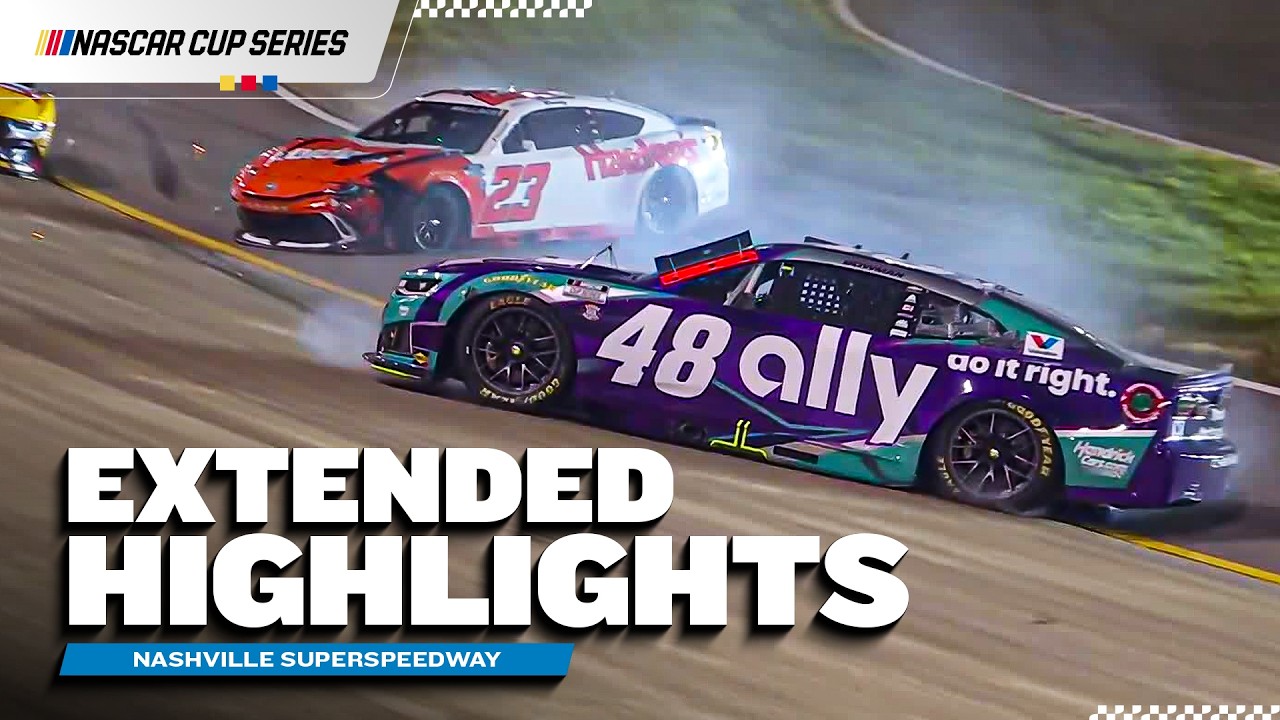
"This is going to be interesting where there could be somebody's wheels just completely fall off this year, literally maybe, and they just have a bad season and they find themselves in a point hole that they can't recover from and they can't win and punch their way in like we've seen in the years past where a win erases everything," Bianchi said.
The opening stretch of the season magnifies the effect. Daytona, Atlanta and COTA all appear in the first five races, and two of those are superspeedways where finishing position can swing wildly on a single late-race incident. Under the old format, a surprise winner walked away with a playoff berth. Under the new one, the same driver may walk away with modest points but a much smaller strategic margin. The consistent car that avoided the Big One and brought home a top-ten is now the bigger winner.
That dynamic is particularly well suited to Hendrick Motorsports, the team that topped the regular-season standings a year ago and has traditionally emphasised season-long consistency over boom-or-bust weekends. Gluck and Bianchi singled out Alex Bowman as an example. Bowman was 13th in full-season points last year, a credential that suddenly looks more load-bearing than it used to under the old elimination structure.
For teams outside the elite tier, the reset demands a rethink of how to play superspeedway races. Where a Talladega or Daytona entry once invited a high-risk, high-variance strategy in pursuit of a win-and-in lottery ticket, the 2026 calculus now rewards points accumulation. Expect to see fewer late-race banzai moves and more emphasis on stage points, pit lane execution and minimising DNFs across the full 26-race regular season.

---