MotoGP is preparing to confront the most significant cost-control debate of its modern era. According to reports from Motorsport.com and GPone.com that have circulated through the Catalan paddock this week, the world championship's manufacturers have begun formal discussions with MotoGP Sports Entertainment and the new Liberty Media ownership group about scrapping the existing two-bike rule from the 2027 season onwards and limiting every rider to a single machine per grand prix weekend.
The proposal, sources tell both publications, has originated with the Manufacturers' Association rather than with Dorna or Liberty. The five competing factories — Aprilia, Ducati, Honda, KTM and Yamaha — have collectively concluded that the cost of building, freighting, maintaining and rebuilding a second specification machine for every rider on every weekend has reached a point at which it is no longer commercially defensible, particularly in the context of a season that has grown to 22 rounds with sprint races at every stop.
GPone.com reports that Carlos Ezpeleta, the chief sporting officer for Dorna and son of long-serving chief executive Carmelo Ezpeleta, is taking the lead from the rights-holder side of the discussions. The same reporting indicates that Carmelo Ezpeleta personally remains opposed to the loss of the spare bike, on grounds of show, sporting fairness and safety — concerned that a high-side, an off-line oil flag or a routine sensor failure in qualifying could end a rider's weekend before practice three, with knock-on consequences for the championship and the broadcast spectacle.
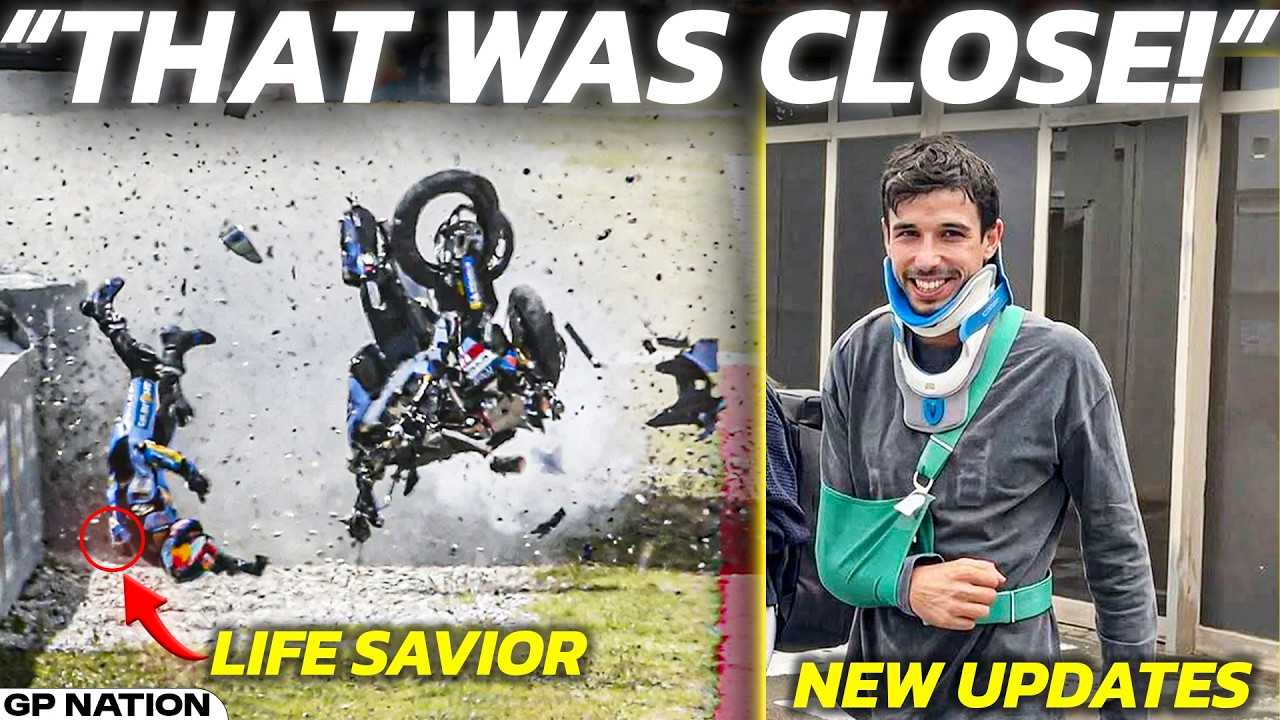
Critics inside the paddock have already begun to game out the worst cases. A single-bike rule would mean that any heavy practice crash, of the sort that Marc Marquez and Alex Marquez have absorbed within the past month, would in many cases keep the rider grounded for the rest of the weekend rather than allowing them to switch to a backup machine and rejoin the session. The cold-tyre carnage that hospitalised Johann Zarco and Alex Marquez at Catalunya two weekends ago would, under the proposed rule, have wiped both garages clean for the rest of the round.
Supporters counter that the rule would force teams to refocus development on durability rather than on parallel specification trees, would reduce mid-season tyre testing chaos, and could be paired with looser parc fermé rules to give engineers more reset capacity between Friday and Saturday.
Crucially, no decision will be ratified inside the paddock at Mugello next month. Any rule change of this magnitude requires the unanimous backing of the Grand Prix Commission, the four-pillar body comprising the FIM, IRTA, the MSMA and Dorna. Motorsport.com reports that negotiations are framed as part of a broader 2027–2031 commercial and sporting framework rather than as an isolated 2027 rule, suggesting that the bike-count question may be used as leverage on other items such as engine homologation freezes, sprint-race scheduling and aerodynamic restrictions that are also up for review.
Riders have so far stayed publicly silent, in part because none of the major team principals has yet briefed his garage on the specifics. But the proposal cuts to the heart of how Grand Prix motorcycle racing has worked since the four-stroke era began in 2002, and the moment it becomes a Grand Prix Commission paper rather than a paddock rumour, the rider line will harden quickly.
For now, the question is not whether MotoGP can save money by halving the number of bikes in the garage. It is whether the championship is willing to absorb the sporting and safety cost of doing so.
---