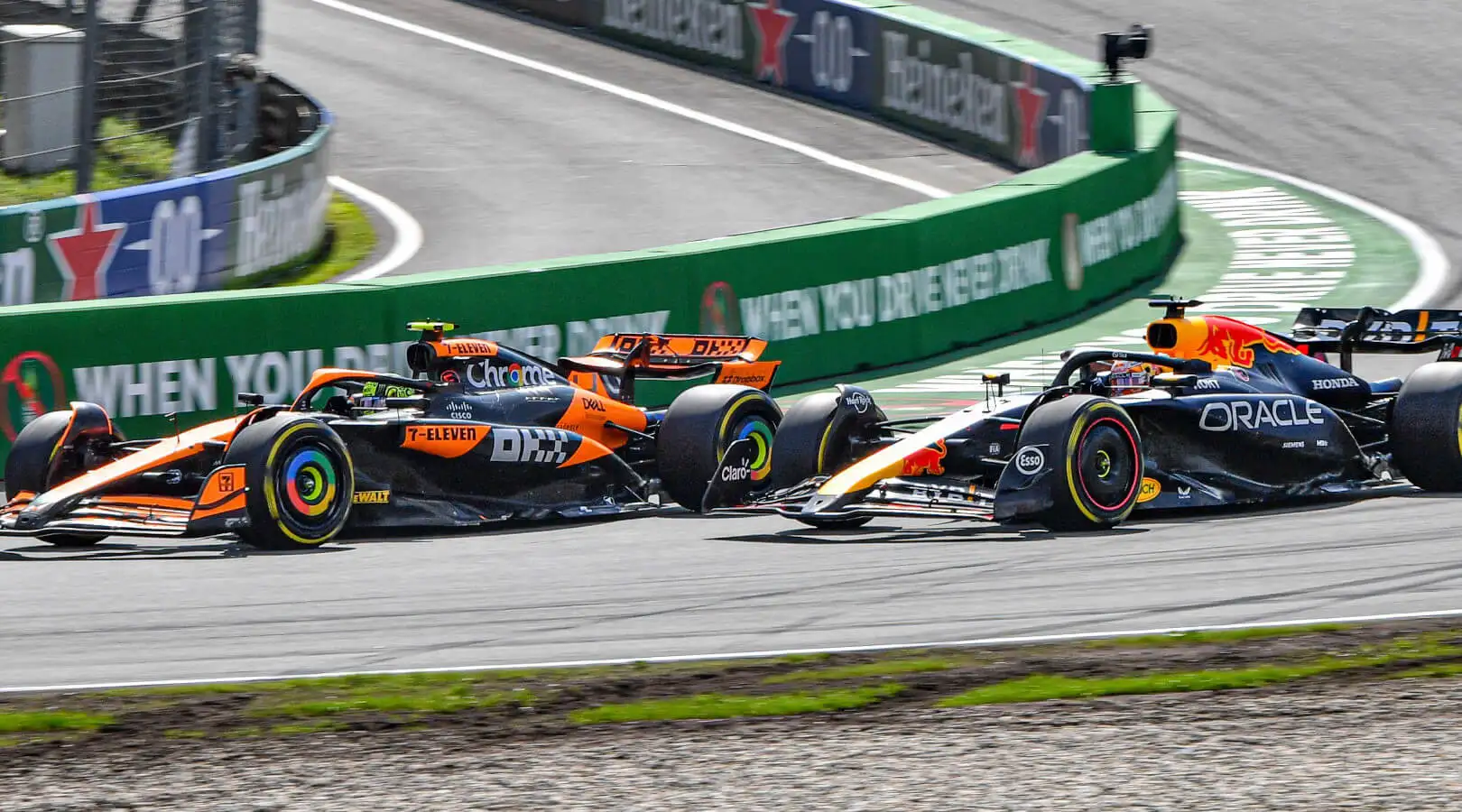
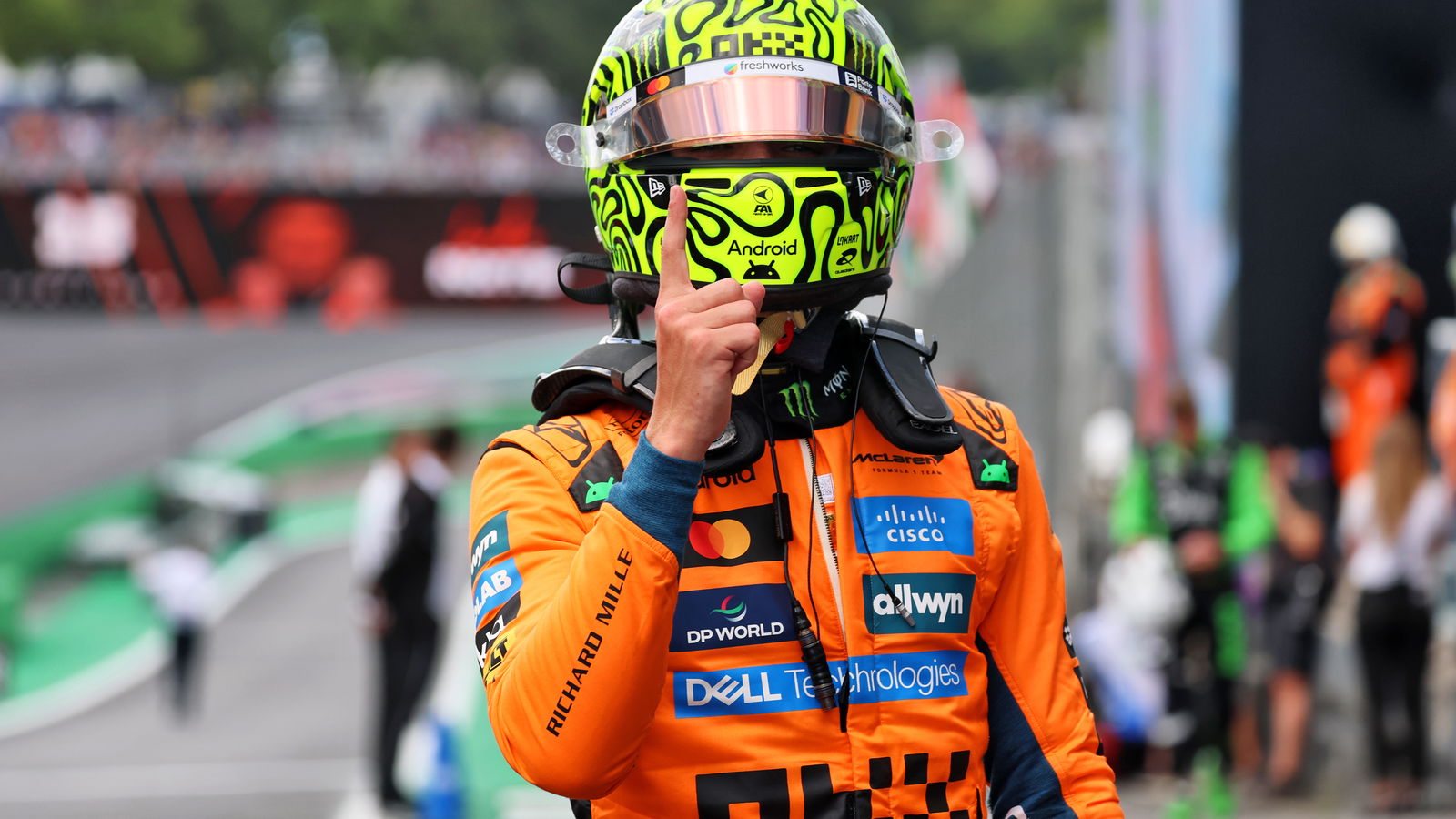
In a breathtaking display at the Dutch Grand Prix, Lando Norris outmaneuvered reigning champion Max Verstappen, clinching victory in front of a home crowd. This decisive win highlighted not only Norris's driving skill but also the substantial upgrades that McLaren incorporated into their MCL38, propelling the car's performance to new heights.
The enhancements introduced at the Zandvoort circuit were critical, particularly the aerodynamic upgrades that have been in development for some time. "The car's performance was unreal this weekend," said Norris after the race. "The upgrades we brought made a huge difference, especially in terms of stability and downforce."
"The car's performance was unreal this weekend,"

Norris finished an impressive 23 seconds ahead of Verstappen, marking one of the largest margins in recent Grand Prix history. "I didn’t expect to dominate like that. It’s a testament to the team’s hard work back at the factory," Norris continued.
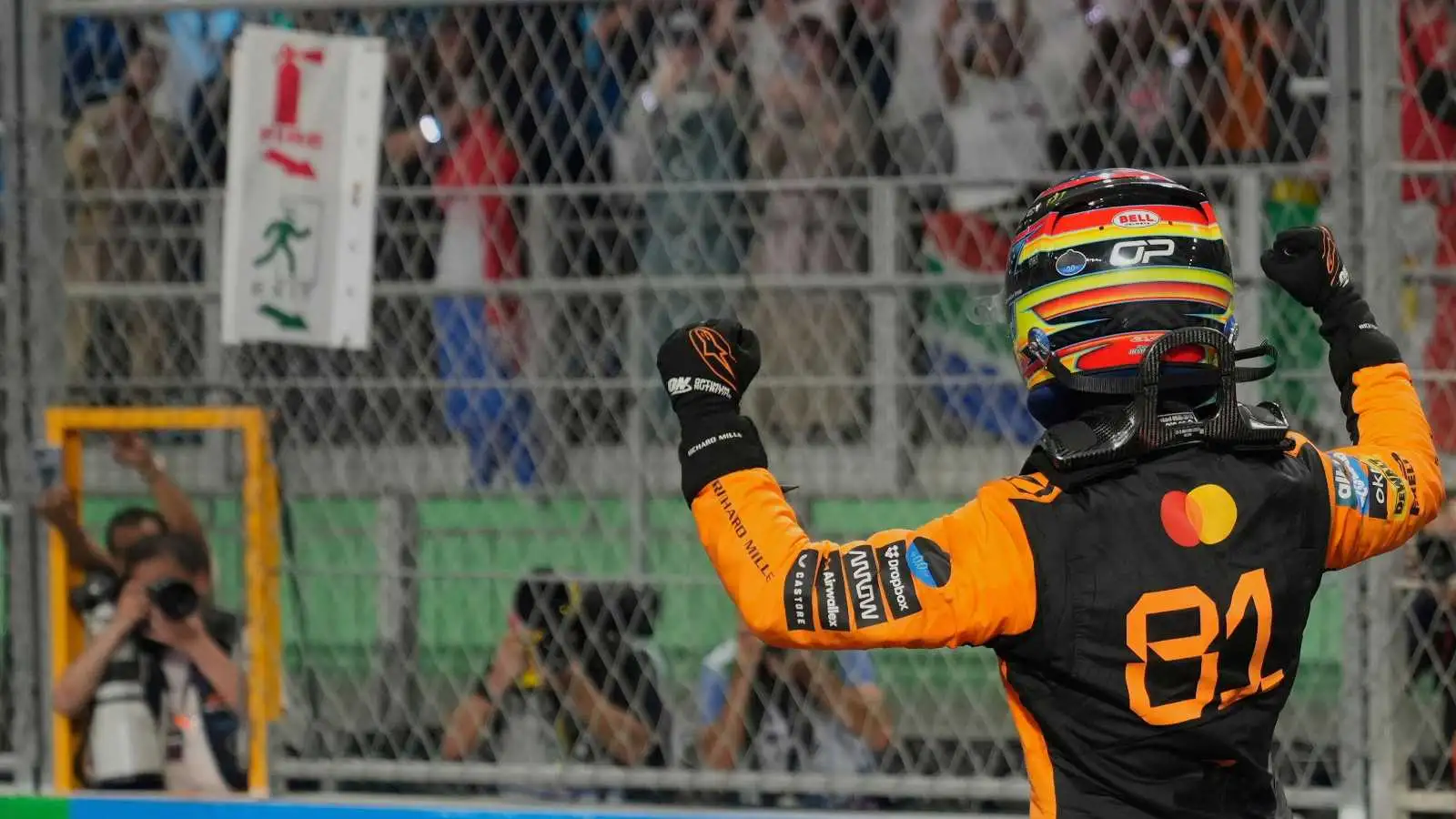
Team Dynamics
One of the standout features of the new MCL38 is the upgraded floor edge, a crucial element that plays a vital role in managing airflow beneath the vehicle. McLaren engineers last made changes to this part at Imola, and the latest iteration is designed to enhance the car's downforce, particularly in high-speed turns. "Adjustments to the floor were a key focus for us," said Andreas Seidl, McLaren’s team principal. "It's all about ensuring we maximize our aerodynamic efficiency."
"Adjustments to the floor were a key focus for us,"
The redesign of the front brake scoop also contributed to the upgrades, allowing for improved downforce without sacrificing brake cooling capabilities. The geometry of this component now better aligns with the car’s suspension elements, leading to enhanced performance. "These seemingly minor tweaks accumulate to make a big difference in overall performance," remarked Seidl.
"These seemingly minor tweaks accumulate to make a big difference in overall performance,"
A new high-downforce rear wing and beam wing were additional highlights of the upgrades introduced at Zandvoort. Together, these elements work synergistically to optimize the car’s performance on the unique and twisty Zandvoort layout. Norris further reflected on this, stating, "The adjustments helped us significantly, especially in the slower sections where we needed better grip."
Qualifying
The McLaren team’s preparations proved effective not just during the race, but throughout the weekend. During qualifying, the MCL38 showed its prowess with a notable speed advantage comprising both top speed and stability in corners, providing a stark contrast to the performances of their competitors. "We knew we had the pace from the start, and the car didn’t disappoint us," said Norris.
"We knew we had the pace from the start, and the car didn’t disappoint us,"
McLaren's aerodynamic efficiency also shone through in their tire management. The balance and setup allowed drivers to maintain speed longer while using less tire life, which is crucial for race strategy. "We've gone beyond our initial expectations this season; the car is versatile enough to thrive on different circuits," noted Seidl, alluding to the anticipated races at Monza and Azerbaijan.
"We've gone beyond our initial expectations this season; the car is versatile enough to thrive on different circuits,"
As teams prepare for the upcoming tracks, McLaren’s challenge will be to adapt their aerodynamic packages to suit the dramatically different demands of each venue within a tight timeframe. The anticipation is palpable, and Norris expressed confidence, saying, “I believe we can keep this momentum going.”
In light of the breakthrough at Zandvoort, the outlook for McLaren appears promising as they look to sustain and build on this performance. With teams transitioning quickly to new circuits, how well McLaren can maintain their upgrade advantages will define their success in the races to come.