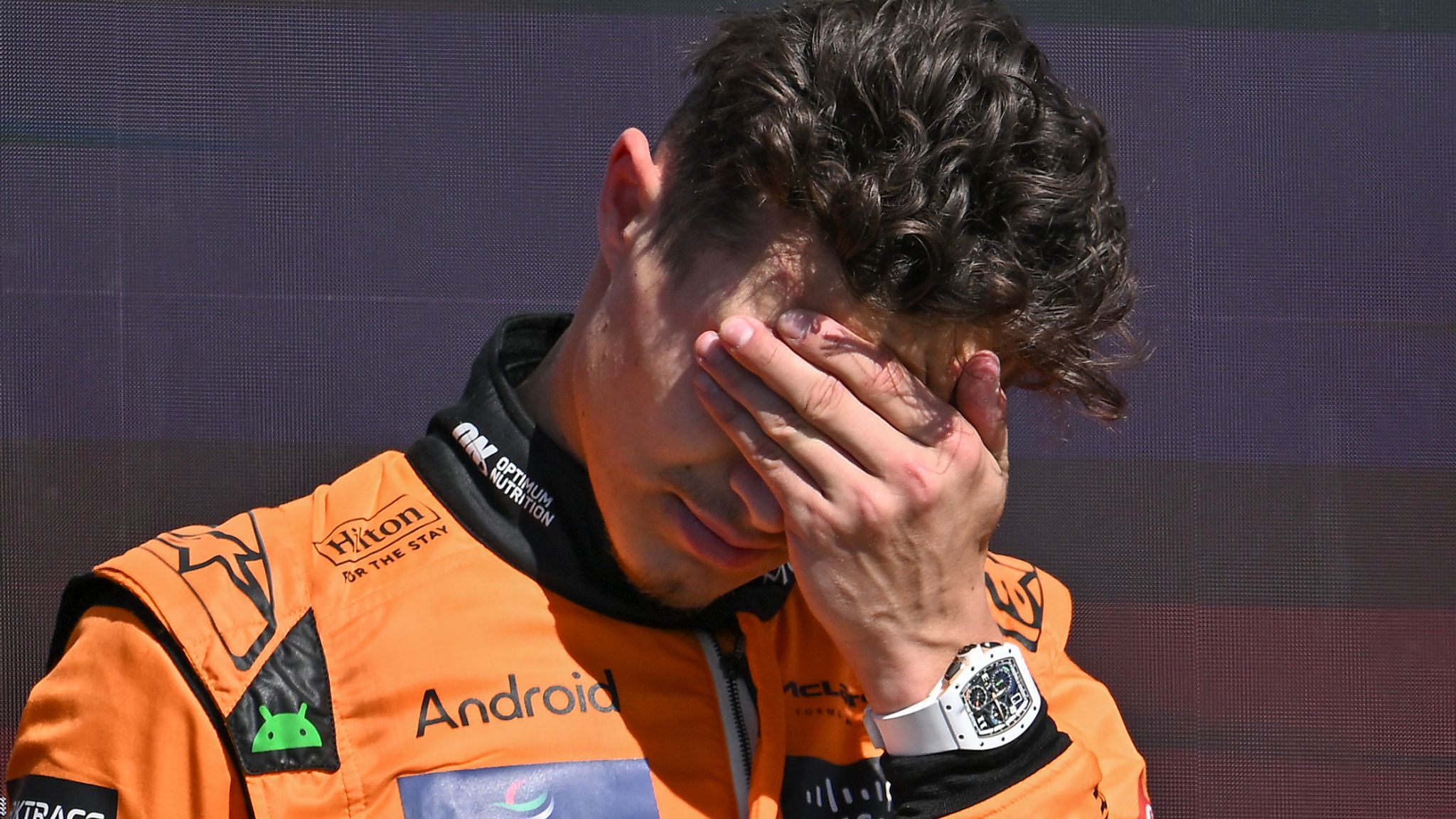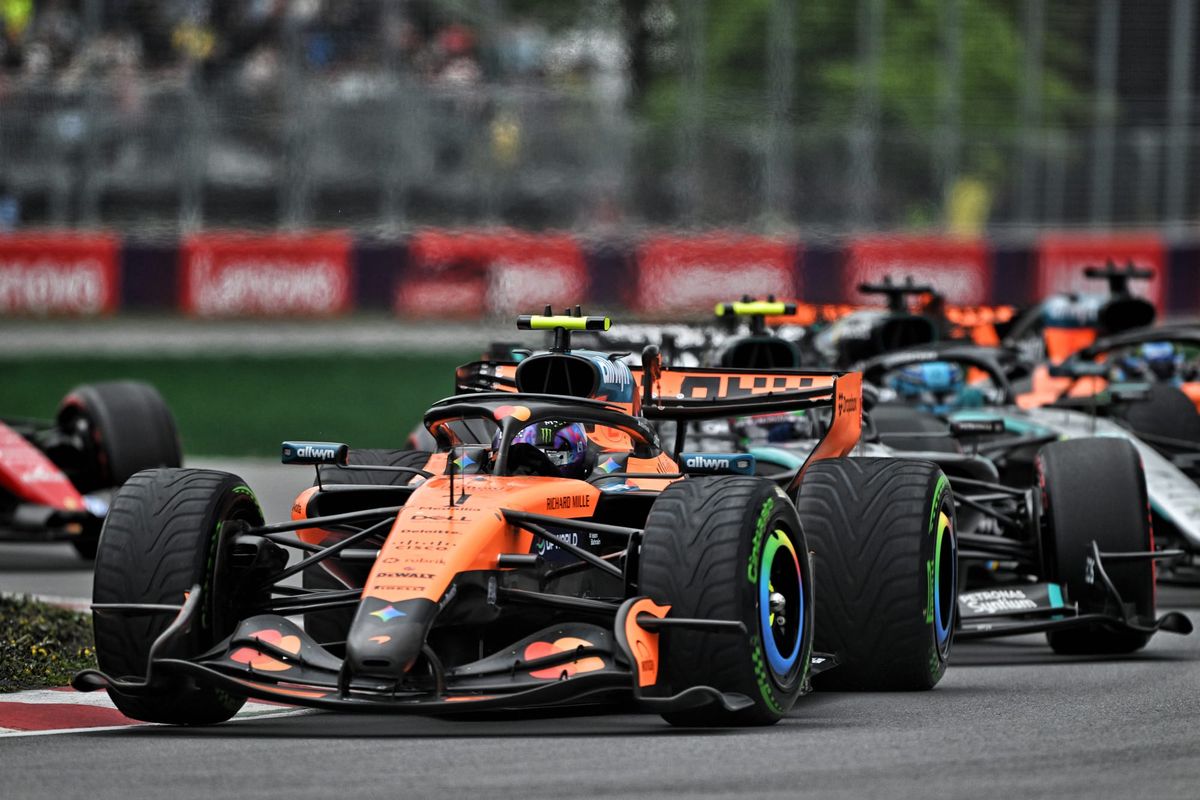
In the wake of a weather-affected Canadian Grand Prix, McLaren has defended its decision to start both cars on intermediate tyres, despite the call unravelling within the opening laps. Lando Norris and Oscar Piastri lined up from the second row and were among seven drivers who shunned slicks, alongside the two Audi entries, both Cadillacs and Carlos Sainz’s Williams.
On the formation laps, both McLaren drivers felt the intermediates were the wrong choice and that switching to slicks might be wiser. They stuck with the call for the start, and Norris vaulted into the lead at the first corner, even clearing the slick-shod Mercedes pair of Kimi Antonelli and polesitter George Russell. Piastri pitted for slicks at the end of the opening lap, with Norris following a lap later just as Antonelli was about to take the lead.
While the inters ultimately proved the wrong tyre as the track dried, McLaren argues that a set of unusual circumstances exaggerated how poor the strategy looked. Norris pointed to the grip advantage at the launch as evidence the choice was defensible: "I just had a lot more grip," he said. "Simple as that, honestly. "It shows how slippery it was for them in the beginning, and I had a two-second gap after one lap. "It wasn't like it was stupid to be on that tyre. It was just drying out - and of course when they got a bit of temperature into the tyres, it worked out for them. "1% more rain or a few little bits of drizzle here or there and it really would have suited us a lot more."
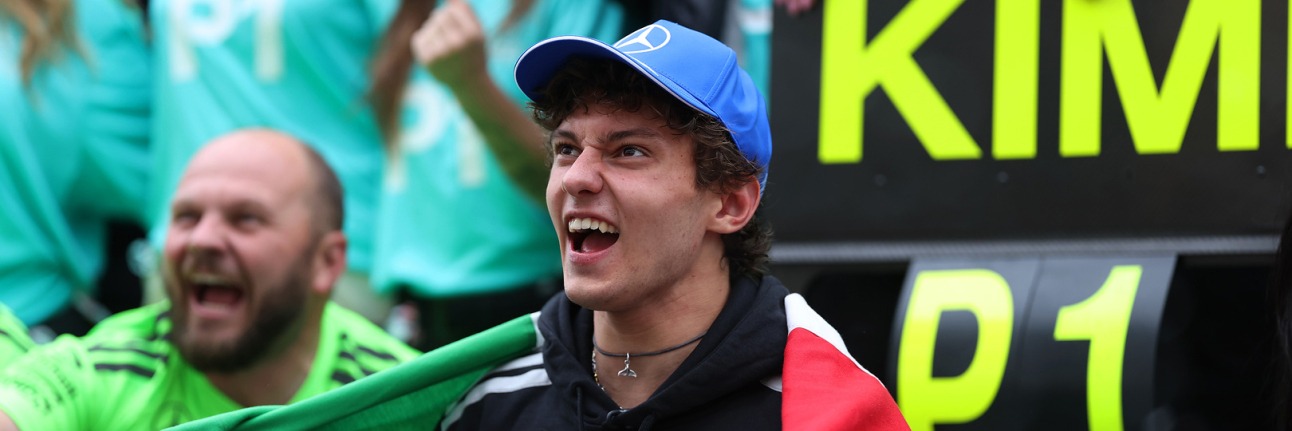
Beyond the easing drizzle, the team believes two aborted starts before lights out eliminated the ideal window for the intermediates. The original procedure was halted when Arvid Lindblad’s Racing Bulls car triggered an abort after a suspected gearbox problem, prompting a second formation lap. A third lap then followed because Lindblad’s car had not been cleared before the field returned to the grid, and more than six minutes elapsed before the race finally began.
McLaren team principal Andrea Stella said conditions changed visibly during those extra laps, hurting the inters and helping slicks. He observed that "if you looked at the pitlane, it went from being dark grey to grey, like dry" as the drizzle faded. "I would have been pretty interested in seeing the cars with the dry tyres had the race started at the time it should have started," he said. "I think it's a bit unlucky with the fact that the rain just stopped, and the fact that there was a double extra formation lap which I'm not sure exactly when is the last time that we saw it. "So, in hindsight, we were penalised by the decision. But at the time that the decision needed to be made. I think the conditions existed to fit an intermediate tyre."
He added: "With the rain lasting for a few more minutes and the race start happening at the right time, we could have seen, I think, cars struggling on dry tyres."
McLaren stressed the pre-race tyre choice was a collective call made before the three-minute board, when selections must be locked in, and did not feel like a roll of the dice at the time. Piastri, who had said on the radio before the start that being on intermediates felt like a mistake, explained the context: "It was a group call, I was one of the people that said yes to the inters," he said. "Between the [Canadian national] anthem and getting in the car, it had got significantly wetter on the ground. "And given how difficult getting to the grid was, I thought that the inters, if you could get temperature into them, would be faster. That was our whole thinking."
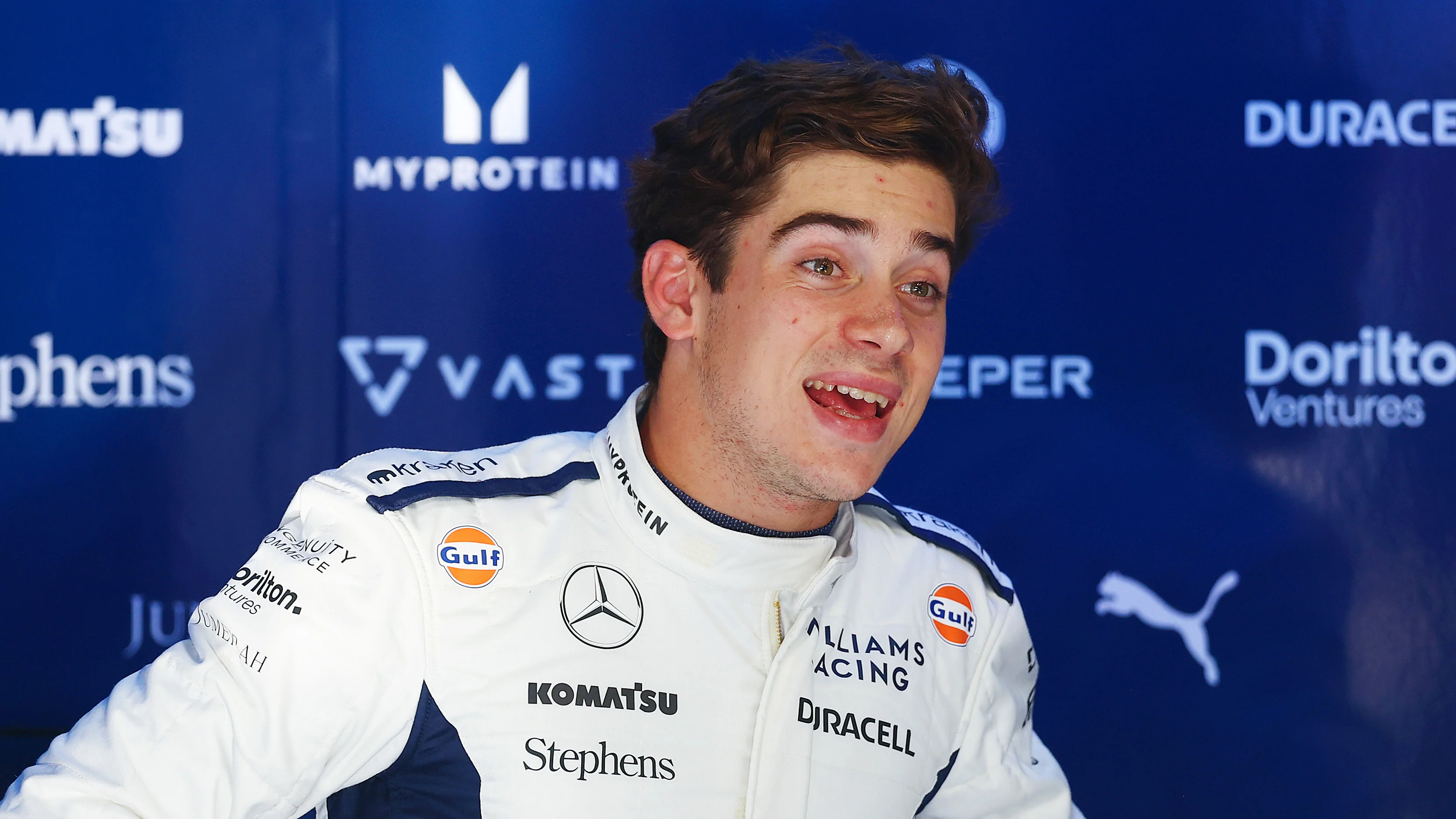
Stella echoed that view of shared responsibility. "It [the decision] was relatively shared by the people and the drivers. I even gave my input myself because when, like I said before, a call needed to be made. I just wanted to be sure that we were on a tyre that we could withstand the first lap."
Norris said the choice stemmed from expecting "the slicks would be terrible" and believing there were "valid reasons for doing what we did". He acknowledged that, with hindsight, boxing for slicks on a formation lap would have limited the damage but said committing to the start was justifiable given the circumstances. He also outlined the safety-car upside had the race been neutralised early: "We thought there would still be a very high chance of a safety car and things like that," said Norris. "Even with staying out on track, our safety car loss is 10 seconds. I was leading by two - and, if a safety car came out, not everyone would be on their delta. "I still could have come out on a new slick, probably inside the top 10, maybe even better. I probably would have been better than that even."
What to watch next: McLaren will review its approach to marginal conditions at race starts, including how it balances tyre warm-up, weather radar and formation-lap options when the track is on the cusp. The episode also underlines how pre-start delays can rapidly flip the competitive picture.
---
*Originally published on [News Formula One](https://newsformula.one/article/mclaren-defends-canadian-gp-intermediate-tyre-call-after-delay). Visit for full coverage.*