As the world of Formula 1 gears up for potential changes in 2026, the 2025 season brings a set of notable rule modifications that drivers and teams will need to navigate. While the overarching regulations remain stable for this year, these key adjustments reflect the sport's continuous evolution.
One of the most significant changes is the decision to abolish the point awarded for the fastest lap. "After its return in 2019, the fastest lap point created interesting moments, but it often led to odd scenarios, such as when Daniel Ricciardo took the point in Singapore last year despite finishing outside the top 10," said a senior F1 executive. This change, prompted by a desire for fairer competition, addresses concerns that the point often undermined the championship's integrity.
"After its return in 2019, the fastest lap point created interesting moments, but it often led to odd scenarios, such as when Daniel Ricciardo took the point in Singapore last year despite finishing outside the top 10,"
Another significant alteration concerns the weight of the cars. With F1 vehicles becoming increasingly heavier due to advancements in power units and safety features, the minimum car weight will be adjusted from 798kg to 800kg. This adjustment also includes a shift in the minimum driver weight allowance from 80kg to 82kg. "Heavier drivers have faced disadvantages in recent seasons, so this new weight rule aims to level the playing field," explained an engineering analyst.
"Heavier drivers have faced disadvantages in recent seasons, so this new weight rule aims to level the playing field,"
Team Dynamics
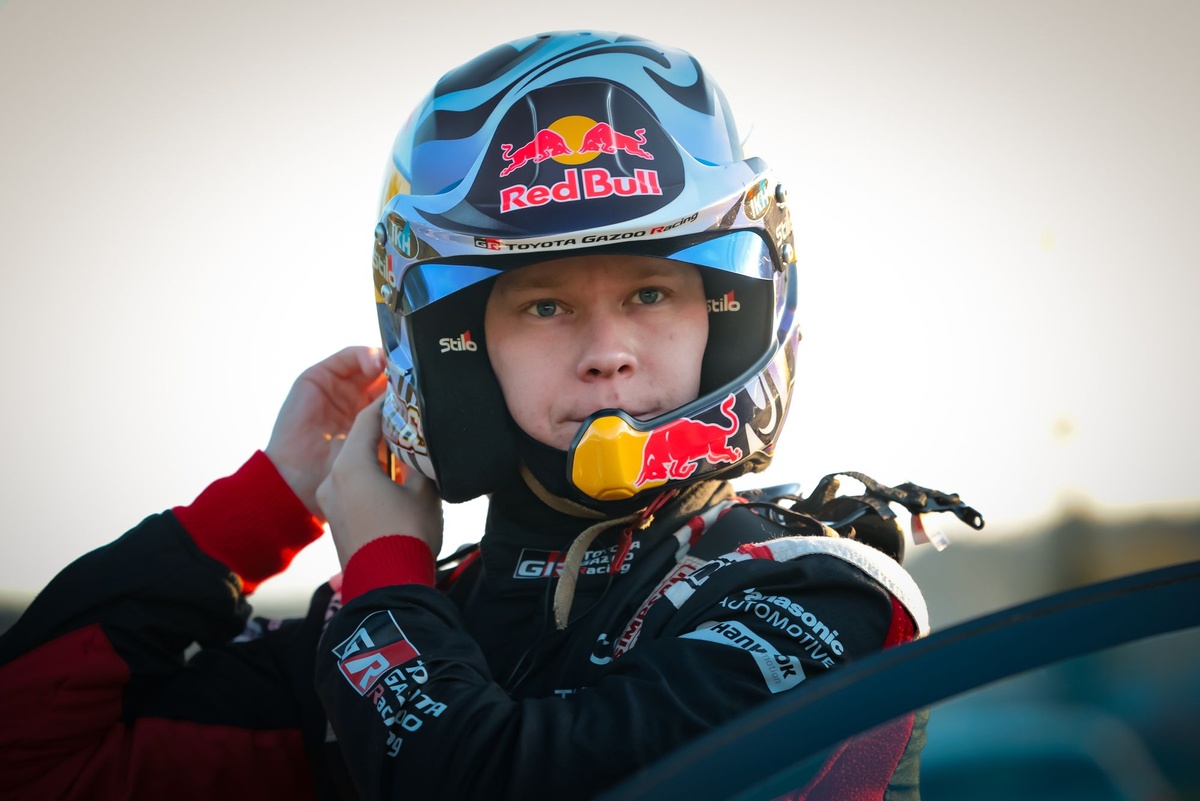
The introduction of a mandatory driver cooling system is another significant measure for this season. Following the challenges faced by drivers during the sweltering conditions at the Qatar Grand Prix in 2023, the FIA has established regulations to enhance driver safety in extreme temperatures. "When forecast temperatures exceed 30.5°C, teams will be required to implement a battery-powered cooling vest system to keep drivers safe," said a FIA spokesperson. This mandatory cooling solution includes specific guidelines about the cooling mediums that can be used.
Looking Ahead
Teams will also face changes in their car design rules, particularly regarding the controversial 'mini-DRS' concept that emerged last season. This mechanism allowed for flexible wings that offered aerodynamic advantages. "The adjustments to slot gap widths are intended to prevent teams from exploiting similar designs in the future," said a team principal. The revised regulations will reduce the allowable gap width for the rear wings and clarify that the wings must remain fixed in either a closed or open state, eliminating any flexibility.
"The adjustments to slot gap widths are intended to prevent teams from exploiting similar designs in the future,"
Team Dynamics
Moreover, further regulations have tightened restrictions on how teams can adjust their aerodynamic components. According to the new rules, "Except in the event of a DRS failure, the DRS bodywork can only be in two positions, ensuring that flexibility is no longer a competitive advantage." This will alter the design landscape moving forward, as teams will need to adapt their strategies while adhering to the stricter guidelines.
In addition to these fundamental changes, there are also adjustments regarding the assessment of tire compounds and allocation strategies, which are designed to enhance competition and strategy diversity throughout the season. While specific details are yet to be fully disclosed, expectations are high for improved racing dynamics in the coming year.
In summary, as Formula 1 moves through 2025, these rules modifications mark a crucial phase in the sport's ongoing adaptation to safety, fairness, and competition. While the groundwork for larger revisions in 2026 is being laid, teams and drivers will face the immediate impact of these adjustments. With a focus on safety and performance, fans can anticipate a thrilling and competitive season ahead, as teams adjust to new challenges while aiming for the podium.