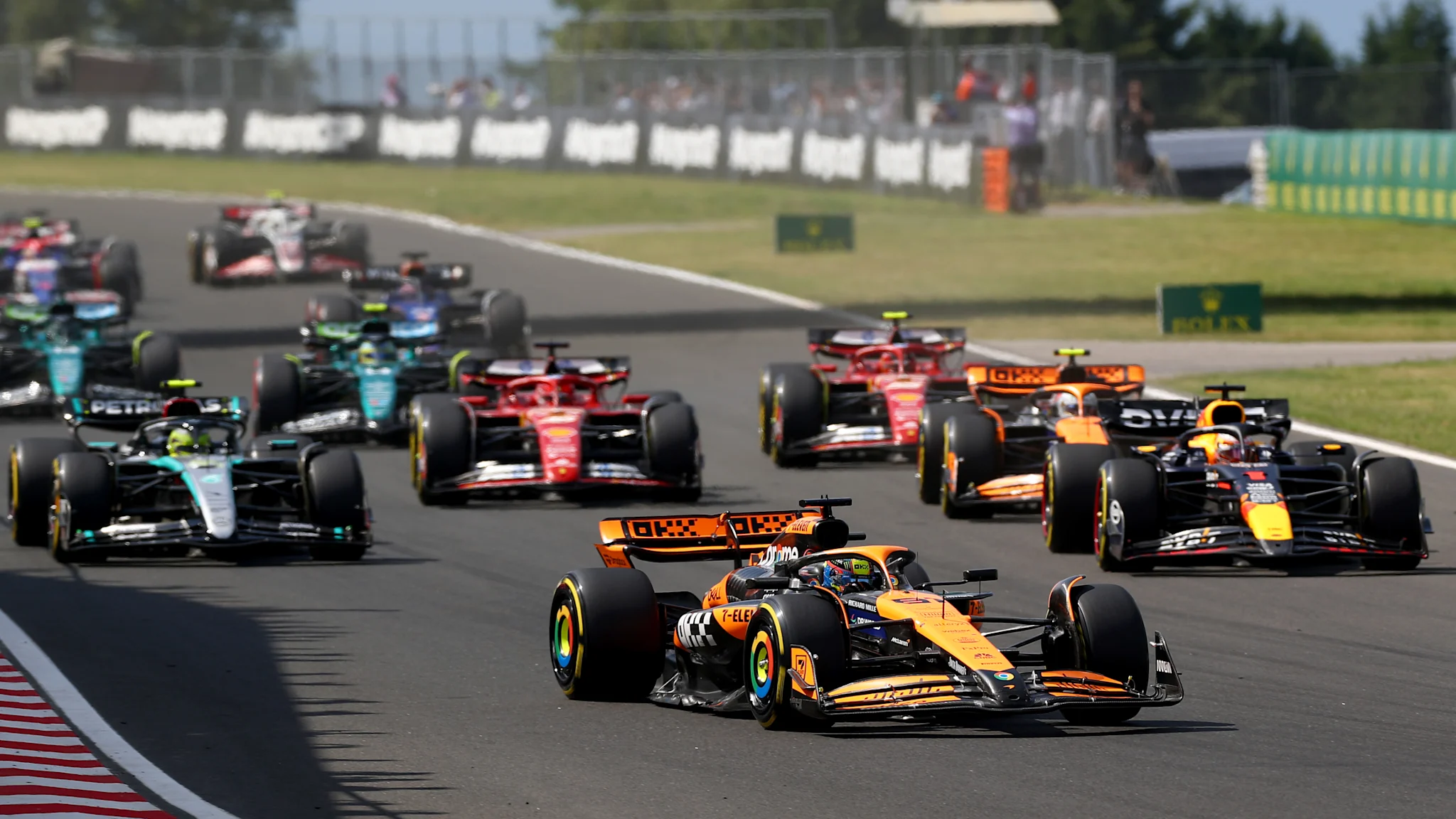
As the 2025 Formula 1 season approaches, several rule changes are set to redefine the competitive landscape. Though a major overhaul of technical regulations is slated for the following year, this season brings noteworthy adjustments, especially the removal of the fastest lap point.
"Since 2019, a driver finishing in the top 10 could earn a bonus point by setting the fastest lap of the race," said Chris Medland, a special contributor. This bonus system led to tactics that some considered controversial, including late-race pit stops by drivers outside the top ten to snatch this point. Consequently, after deliberation, the FIA has decided to eliminate the fastest lap point entirely for the 2025 season.
"Since 2019, a driver finishing in the top 10 could earn a bonus point by setting the fastest lap of the race,"

Despite this change, the points system for races remains intact, with only the top 10 drivers scoring in a Grand Prix and the top eight in a Sprint.
Team Dynamics
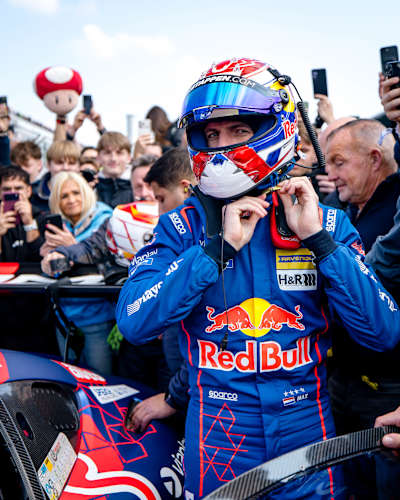
Another significant adjustment is the introduction of mandatory driver cooling systems under specific conditions. If weather forecasts indicate temperatures of 31°C or above during a Sprint or Grand Prix, a Heat Hazard will be declared, prompting the requirement for teams to implement a cooling system.
Race Results
This initiative results in an increased weight limit for cars, with an additional 2kg added for practice, qualifying, and Sprint qualifying sessions; and 5kg for races. "A driver cooling system is defined as a system, the sole purpose of which, is to provide additional cooling for the driver," explained an FIA official. This system includes a fireproof shirt enabling fluid circulation through tubes, essential for driver comfort under hotter conditions.
"A driver cooling system is defined as a system, the sole purpose of which, is to provide additional cooling for the driver,"
Current Season
Adjustments also impact the limitations on race drivers testing older cars. Teams previously modified the Testing of Previous Car (TPC) regulations, mandating the use of components raced at least once the prior season. Now, drivers are capped to only four testing days, totaling a maximum of 1000 kilometers per calendar year with those older models. Notably, this restriction does not extend to tyre testing or promotional activities with current vehicles; it solely targets track time with machinery from two seasons ago.
In response to the development of new talent, the regulations will also enhance opportunities for rookie drivers. The required participation for these newcomers during Free Practice 1 (FP1) has doubled. For any driver with two or fewer races under their belt, more track time will be facilitated during race weekends, ensuring they can adapt and showcase their skills more effectively.
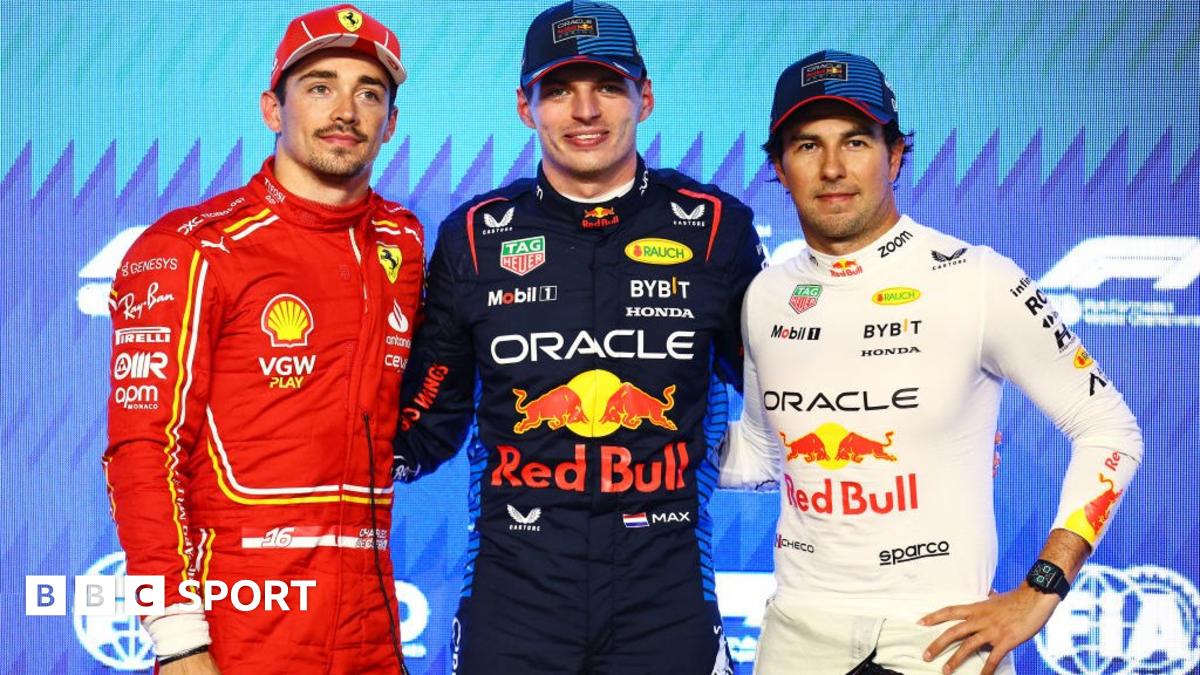
"Teams have had to run a rookie at least once in each of their race weekends, but this expansion significantly enhances their experience," said an insider familiar with the developments. This move is seen as a positive step towards ensuring that new drivers can acclimatize to the fast-paced world of Formula 1 and better prepare for future challenges.
"Teams have had to run a rookie at least once in each of their race weekends, but this expansion significantly enhances their experience,"
Lastly, another notable implementation is the restriction on teams regarding TPC cars available for testing. Each team may only use one TPC car during a test session, indicating a strong push towards safety and streamlined testing practices.
With the above updates, the 2025 F1 season is poised to deliver an evolved racing experience. The elimination of the fastest lap point may transition how strategies unfold in the latter stages of races, while increased rookie participation aims to invigorate the talent pool in the sport. As teams and drivers adjust to these regulations, observers will closely watch how these changes impact motorsport dynamics both on and off the track.