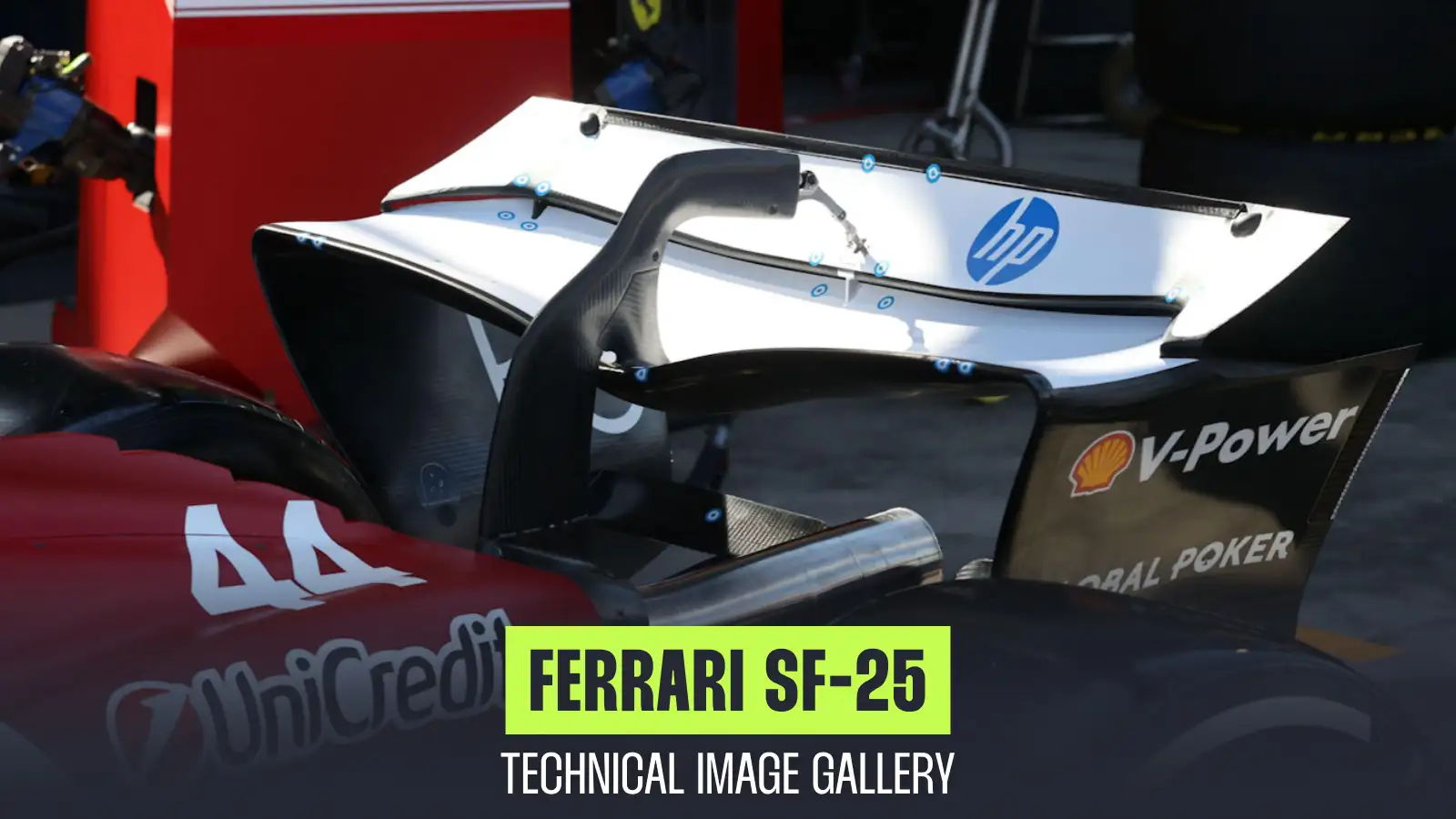
The ongoing challenge for Formula 1 teams to balance the development of their current cars while simultaneously focusing on future projects has never been more pronounced. Ferrari, in particular, faced an uphill battle this season, having lagged behind from the start. Nevertheless, throughout the year, they implemented various changes aimed at correcting weaknesses and optimizing performance for each driver.
"A dash of flo-viz paint on the rear wing of the SF-24," said a team spokesperson as they adapted to the streets of Baku, making adjustments for peak performance.
"A dash of flo-viz paint on the rear wing of the SF-24,"
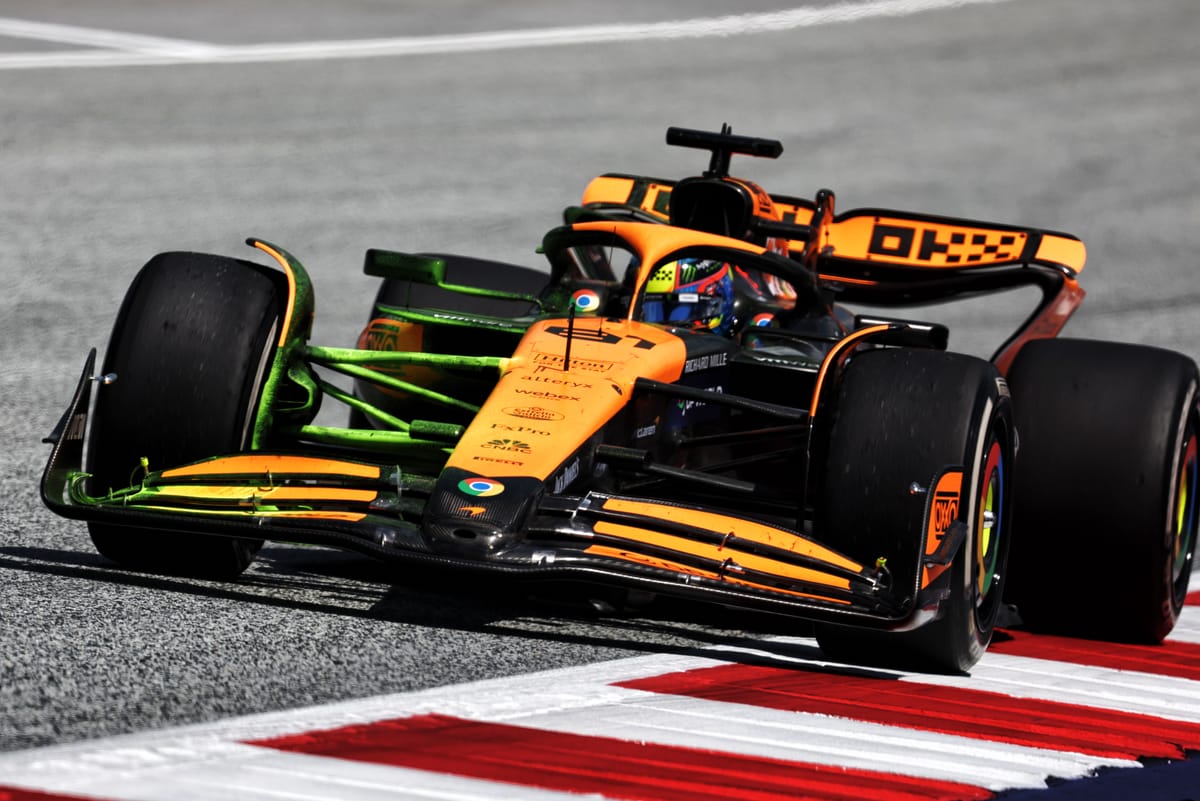
Ferrari experimented with different cooling configurations during race weekends to enhance their power unit's efficiency. Changes were often noticeable from Sprint to race sessions, demonstrating the team's agile approach to optimizing their car's capabilities.
The SF-25 showcased its unique engineering when presented without bodywork, revealing the complex arrangements between the bib and the chassis underside. This insight spoke to the foundational elements of Ferrari's innovative design and the engineering prowess behind each Grand Prix.

Team Dynamics

Team Dynamics
Cooling systems played a pivotal role in the car's performance. The team incorporated a series of louvred openings on the engine cover, designed to expel internal heat effectively. "Here’s the most expansive solution that the team ran on the side of the SF-25’s engine cover," noted a technical analyst, emphasizing the significance of these features in managing thermal performance.

"Here’s the most expansive solution that the team ran on the side of the SF-25’s engine cover,"
Impact and Legacy
Impact and Legacy
Impact and Legacy
Details from the Austrian Grand Prix indicated further revisions. Ferrari altered the floor fence arrangement, introducing a stepped profile to the upper surface of the innermost fence while also modifying the rear of the outermost fence. This adaptability showcased the team's commitment to continual improvement through the season.
"To increase the SF-25’s cooling capacity further, the team had the option of an additional louvred panel on the upper surface of the sidepod," mentioned a team engineer, highlighting the ongoing innovations aimed at maintaining performance under various conditions.
"To increase the SF-25’s cooling capacity further, the team had the option of an additional louvred panel on the upper surface of the sidepod,"
Ferrari also explored various rear wing solutions, particularly at the lower end of the downforce spectrum. This strategic shift allowed for versatility in responding to differing track demands.
Visuals of the rear end of the SF-25, including its rear suspension and brake systems, illustrated notable features such as the end fence shape and the accompanying debris spars. These components were essential for both handling and performance.
The aerodynamic architecture surrounding the sidepod and cockpit was another area of focus. Elements like the flipped-up winglet on the sidepod's end, the slatted wing mirror arrangements, and the halo fairing devices, including the distinctive Cobra-style vane, contributed to the refined aerodynamics of the vehicle.
As the SF-25 was prepared on the stands, the inclusion of a ladder-style fairing for the brake caliper was evident, designed to allow heat generated during braking to dissipate effectively. This feature exemplified Ferrari's attention to detail and commitment to maintaining performance consistency.
Current Season
As the 2026 season looms on the horizon, Ferrari's readiness to tackle upcoming challenges remains to be seen. The groundwork they've laid this year will undoubtedly play a vital role in how they position themselves in the ever-evolving landscape of Formula 1 racing.
With exclusive inside information and ongoing updates, fans and F1 enthusiasts alike can stay informed about the latest strategies and developments straight from the paddock.