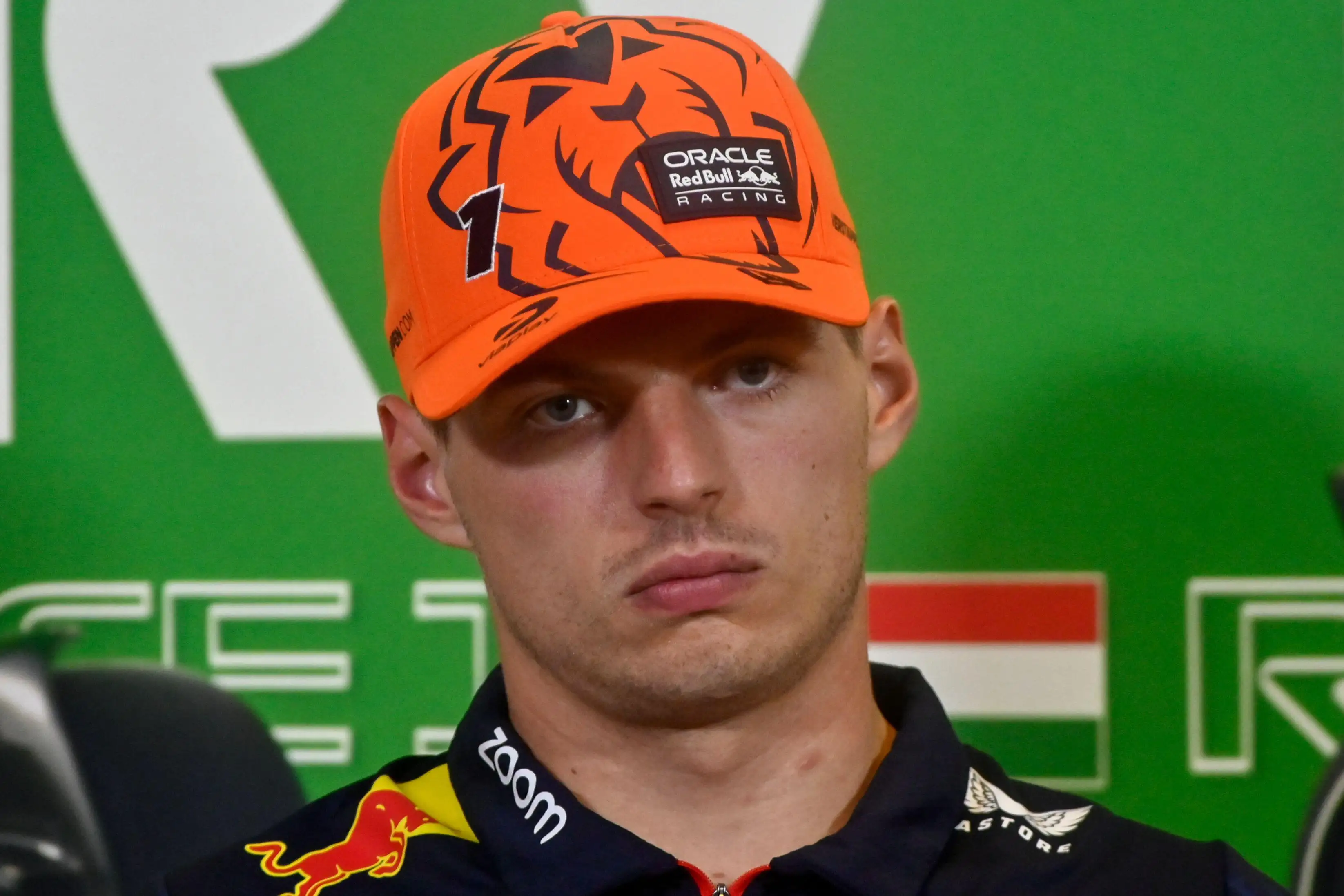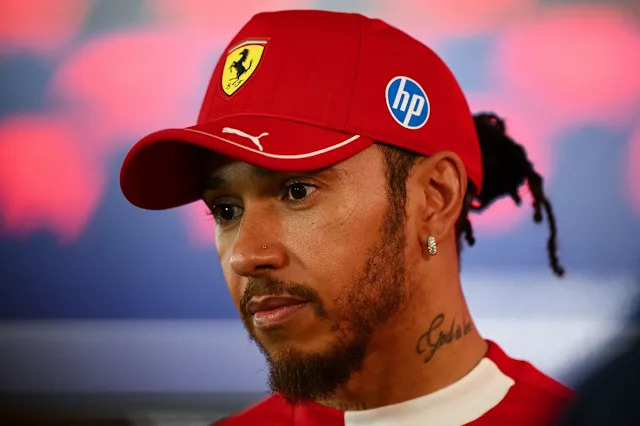
As Ferrari chase their best chance of a 2026 victory in Monaco, a deeper question hangs over Maranello — one that reaches back two decades to the era of Michael Schumacher. On Formula 1's official F1 Nation podcast, the panel asked why no Ferrari driver since has been able to lead the team the way Schumacher did.
Host Tom Clarkson raised a point made on the official F1 Beyond the Grid podcast: that Schumacher's greatest gift to Ferrari was not his driving but his leadership.
"Michael Schumacher was a better leader than he was a racing driver at Ferrari," Clarkson relayed. "He set us in a direction, and every single person — all 600 people, as was the case back then — wanted to follow Michael. I feel that's maybe what Ferrari have been craving since Michael left all those years ago."
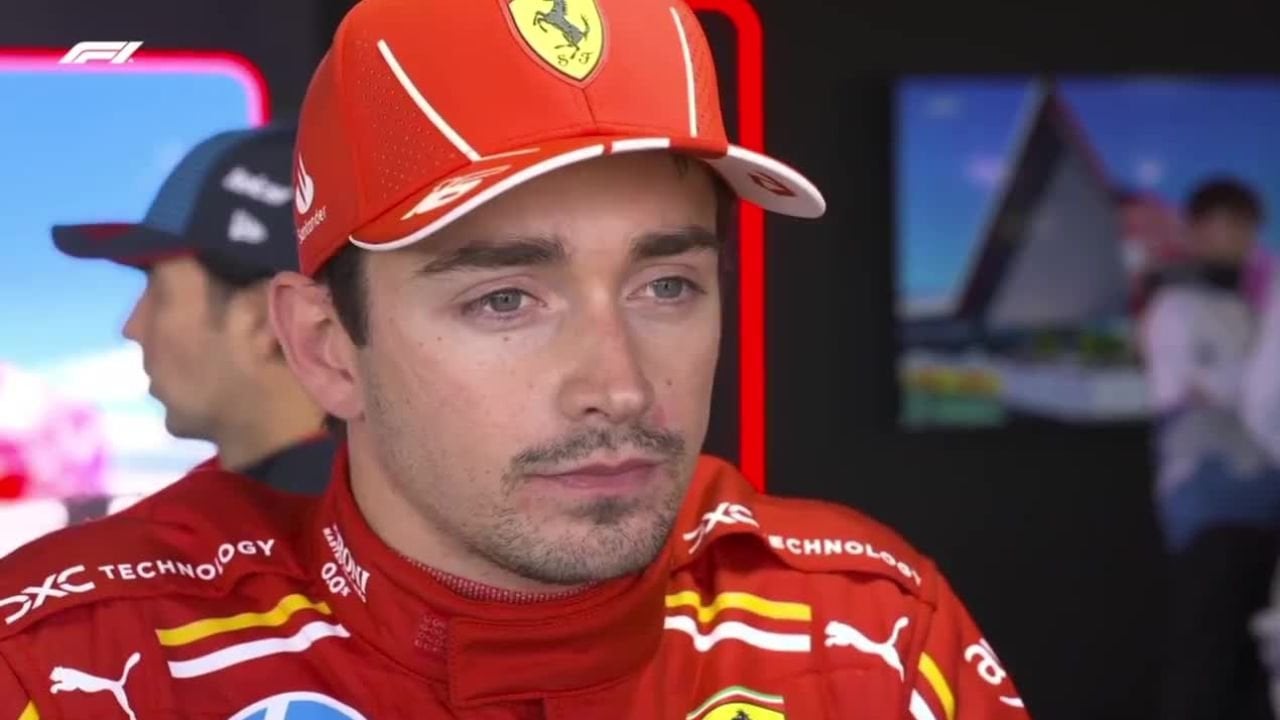
The implication is that Charles Leclerc, for all his speed and his standing as the team's long-term project, has never been able to occupy that role. Jolyon Palmer offered a sharp explanation: the man in the other garage.
"Michael Schumacher never had a team-mate like Lewis Hamilton," Palmer said. "It's very difficult for Charles to be the de facto leader at Ferrari when the other guy is Lewis, who's achieved so much. The team naturally have to balance out both. You've got Lewis off the back of a really great weekend, so it's not easy for Charles to come back and say, 'This is how we need to sort it out.'"
Palmer's second point was structural. Schumacher operated in an era of near-unlimited testing, with a private track at Ferrari's doorstep — a landscape that no longer exists.
"Back then there was a lot more testing," Palmer said. "At the height of the Bridgestone-Michelin tyre war, we used to have a day off in Monaco. Schumi used to go back to Maranello, to Fiorano, and practise his starts, just to put into practice what he'd learned. That level of commitment from him was extraordinary."
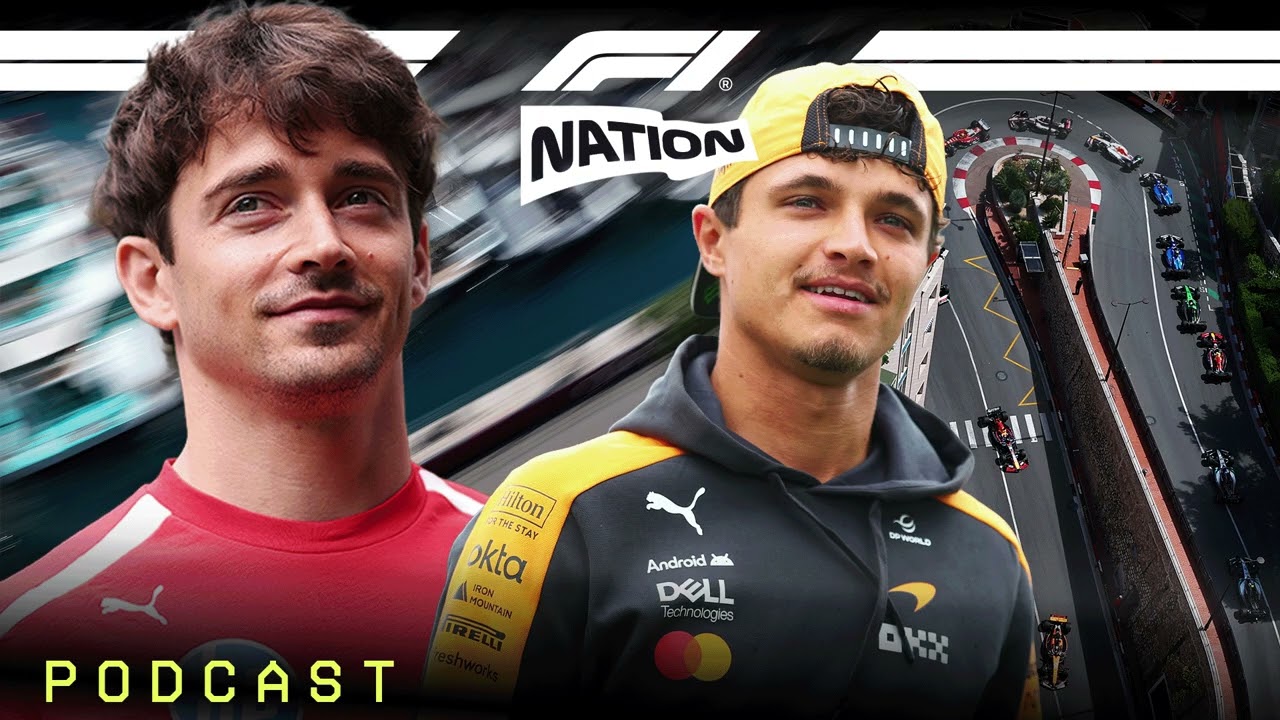
"Because testing was open and Ferrari had a test track at the factory, Schumi was there all the time," Hinchcliffe said. "In all his days off from racing, you'd be there anyway. It was an easier landscape for a driver to successfully fill that role. I don't disagree that the leadership Schumi had was revolutionary — but it's a slightly different situation in 2026."
The modern calendar compounds the problem. With well over 20 races a season, the mental load on a driver is far heavier than it was when Schumacher was winning titles across 16 to 18 rounds, leaving little capacity for the kind of factory-floor leadership Maranello once enjoyed.
The timing of the debate is pointed. Leclerc heads into his home race off the back of what he called the worst weekend of his career, having been comprehensively beaten by Hamilton in Canada. The dynamic between the two — a generational talent and a seven-time world champion sharing a garage — may be Ferrari's greatest asset on track and, paradoxically, the very thing preventing either from becoming the singular figurehead the team has missed for twenty years.
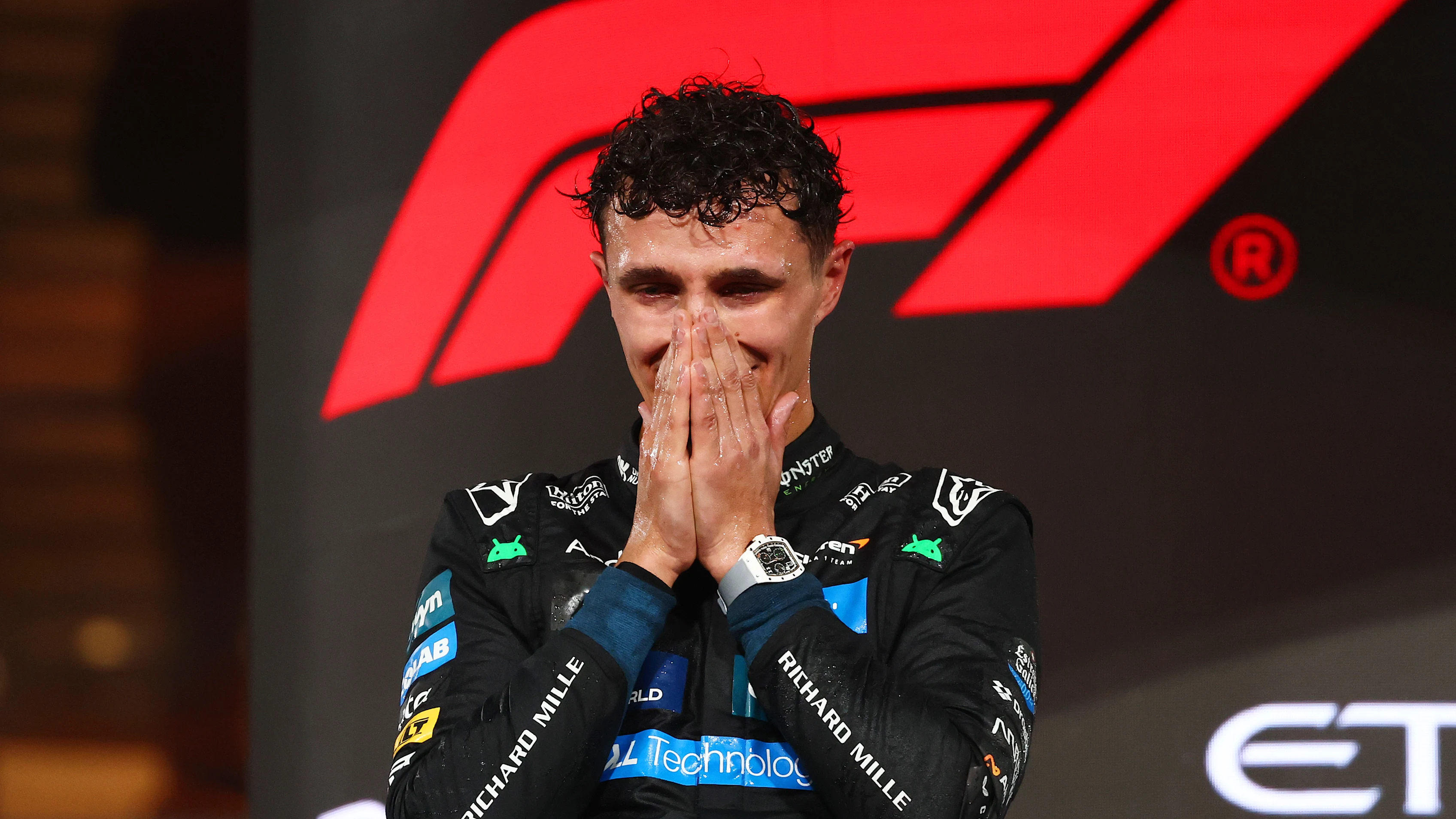
Monaco may yet deliver Ferrari a long-awaited win. Whether it delivers them a leader is a far harder question.
---