As Ferrari gears up for the 2026 Formula 1 season, the team is determined to refine its aerodynamic capabilities. This resolve is particularly crucial given the challenges faced in recent years, where high expectations often culminated in missed targets. The Scuderia aims to turn the tide by implementing significant enhancements primarily in the car's sidepod region, a critical area for aerodynamic efficiency.
"We are focused on leaving nothing to chance as we prepare for 2026, aiming to maximize our aerodynamic performance," said Enrico Braconi, Ferrari's Chief Aerodynamicist. By dedicating extensive research to this aspect of the car's design, Ferrari hopes to not only meet technical regulations but also achieve peak performance across various tracks throughout the season.
"We are focused on leaving nothing to chance as we prepare for 2026, aiming to maximize our aerodynamic performance,"

Current Season
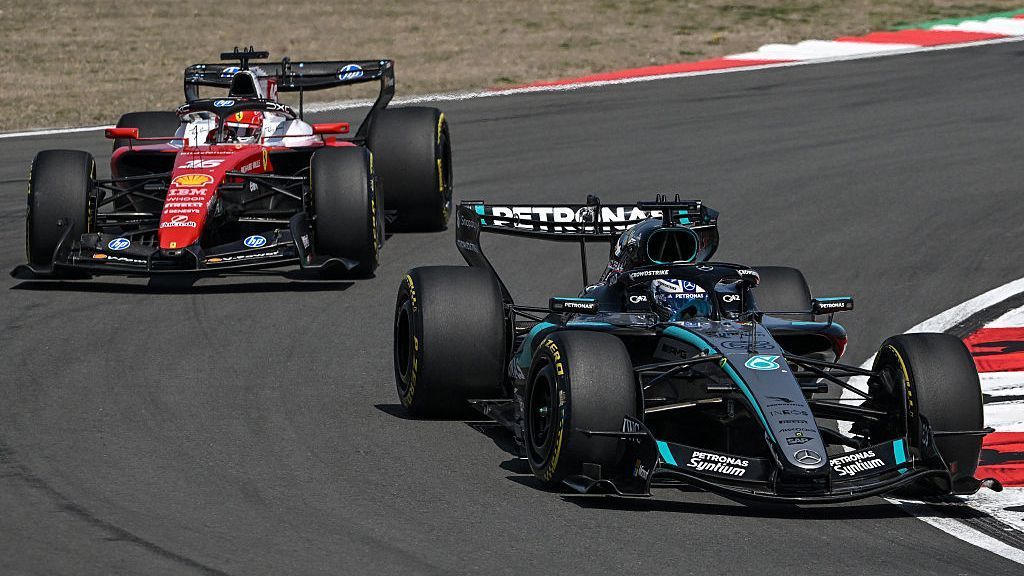
The regulations set forth by the FIA for the 2026 season have reshaped the importance of various car components, particularly the floor. The initiative behind these new regulations is to limit the outwash effect — the airflow phenomena that occurs due to the tires’ movement. This phenomenon previously resulted in advantageous vortices that enhanced the car's stability and performance.
Team Dynamics
Team Dynamics
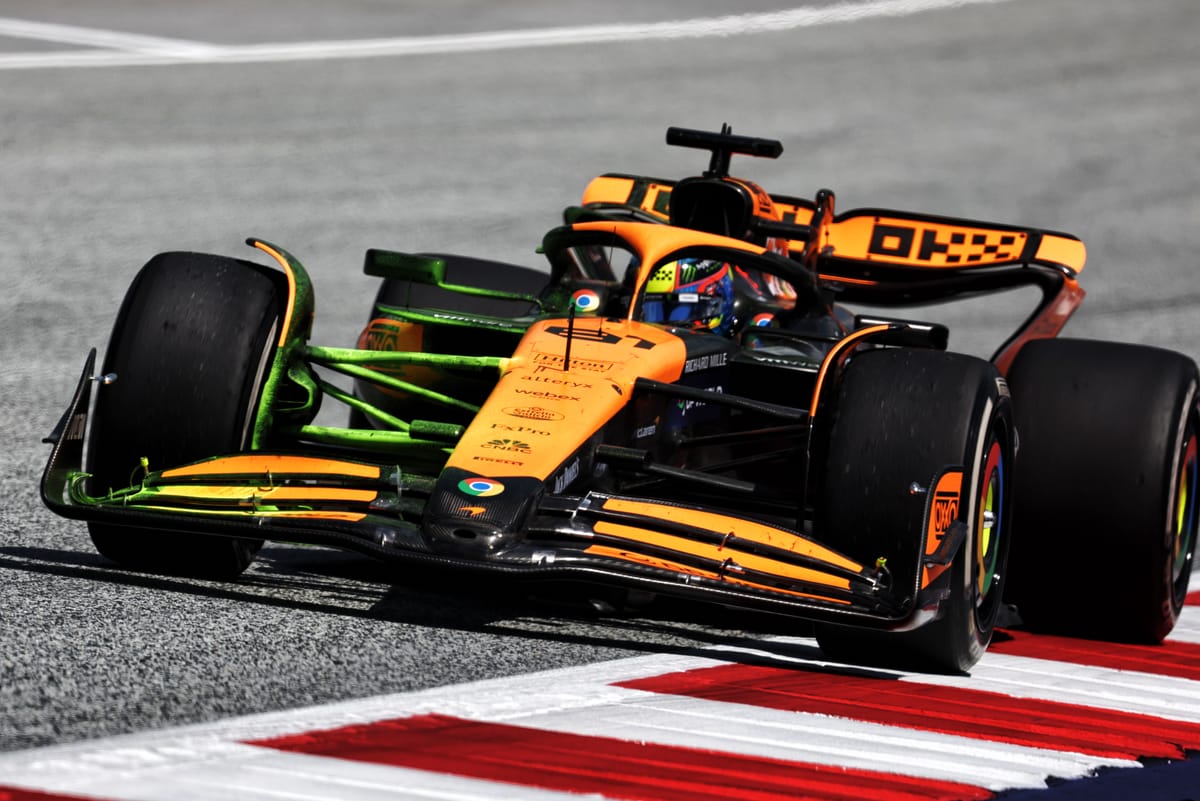
"The new technical regulations demand a new way of thinking for all teams, particularly concerning airflow management around the tires," remarked Marco Mattiacci, Ferrari’s Technical Director. With the FIA’s mandate against directing turbulence outward, engineers face the challenge of reversing this trend to maintain aerodynamic efficiency. The floor inlets have shrunk compared to earlier designs, and while the number of aerodynamic fences has slightly increased, their effectiveness has diminished due to height and length constraints.
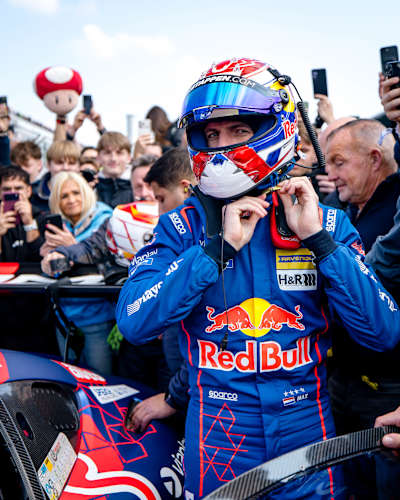
"The new technical regulations demand a new way of thinking for all teams, particularly concerning airflow management around the tires,"
Team Dynamics
Team Dynamics
Consequently, the ability to produce effective vortices that energize airflow along the floor has significantly decreased. The historical prevalence of vortex production at the entrance to the floor, which previously bolstered downforce and minimized aerodynamic losses, is now less potent under the new regulations. This has raised concerns about whether teams can replicate the downforce levels once achieved through the wing cars of yesteryear.
Race Results
"It would be misleading to assert that the foundational aerodynamic principles have vanished,” highlighted veteran race engineer Luca Santoro. “They remain, but the execution will undeniably be different, with potentially less efficient results in terms of downforce generation."
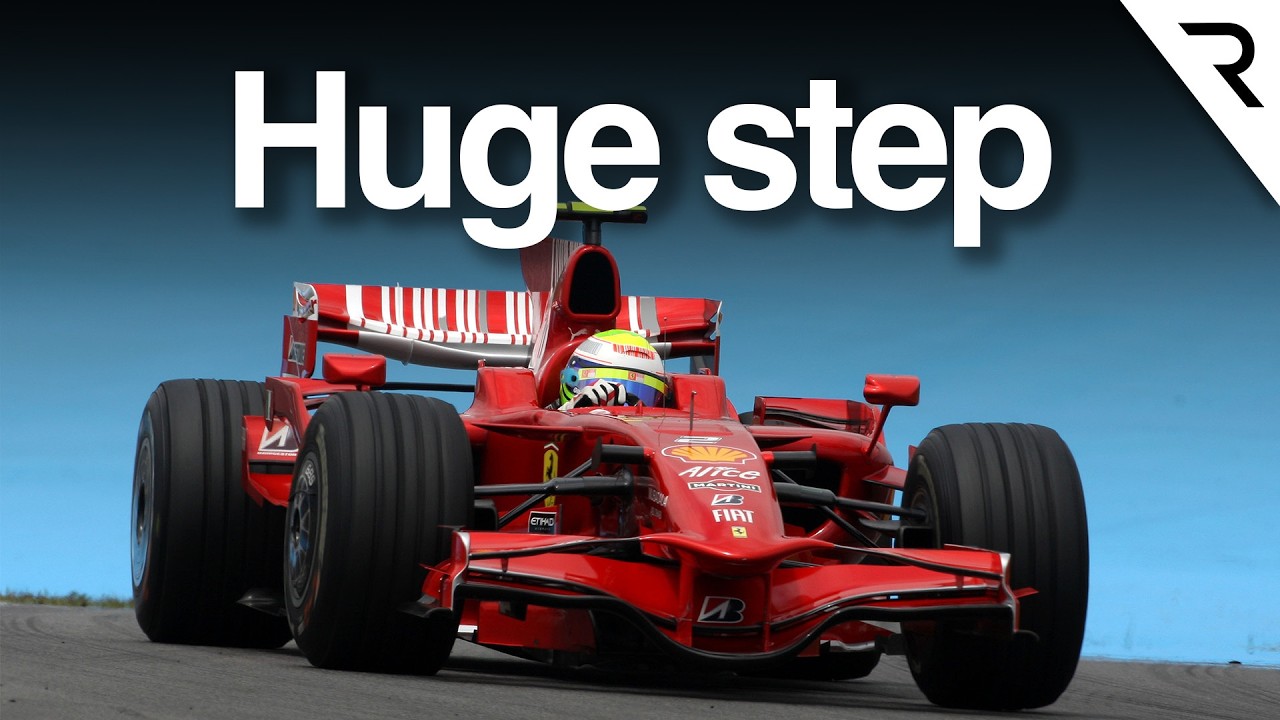
In navigating these complications, Ferrari is placing utmost priority on matching competitors such as Red Bull Racing and McLaren. Historically, Ferrari has struggled to keep pace in terms of floor-based downforce. Refocusing its design principles, Ferrari is striving to leverage its strengths and apply newfound clarity in its aerodynamic strategy. Several team members acknowledge this shift as an essential lesson learned from past deficiencies.
"Our approach is much more strategic now,” emphasized Braconi. “We dive deeper into the aerodynamics of the central section and bodywork of the car, assessing every nuance that impacts performance."
Beyond just the sidepods and floor, the entirety of the car's bodywork plays a key role in ensuring that airflow is managed effectively. The front wing, in particular, is pivotal for establishing optimal aerodynamics and flow dynamics, and the team has invested significant time into analyzing how it might yield better results. Speaking to several F1 engineers, it is clear that every aspect of the car is considered in their quest for excellence.
As the team inches closer to the 2026 season, the integration of technical innovations and lessons learned from previous campaigns will be crucial. With Ferrari's ambitious focus on aerodynamics, expectations are high as they tackle the forthcoming challenges of the championship with newfound resolve.
Looking ahead, Ferrari's application of advanced aerodynamic knowledge is expected to not only enhance competitiveness in 2026 but could also reshape their approach for the seasons to follow. The hope for the Scuderia is that this meticulous endeavor will translate into noticeable on-track improvements when the lights turn green in 2026.