Formula 1 has confirmed that its 2026 race cars are expected to be about two seconds quicker per lap, following a series of adjustments to the regulations by both teams and the FIA.
Initial plans for the next generation of vehicles were unveiled prior to the Canadian Grand Prix. However, concerns about the anticipated performance levels prompted further modifications to ensure competitiveness.
Nikolas Tombazis, the FIA's head of single-seater matters, highlighted the improvements, stating, "There has been an increase of performance of the car by probably about 50 points of downforce." He added that the new regulations are designed to close the performance gap, moving from a projected 40% slower than current cars to around just 15% slower in terms of downforce.

Race Results
("In terms of performance, the resulting lap time of the cars is very close to current cars. All that has been done as was promised in June," Tombazis noted.
Impact and Legacy
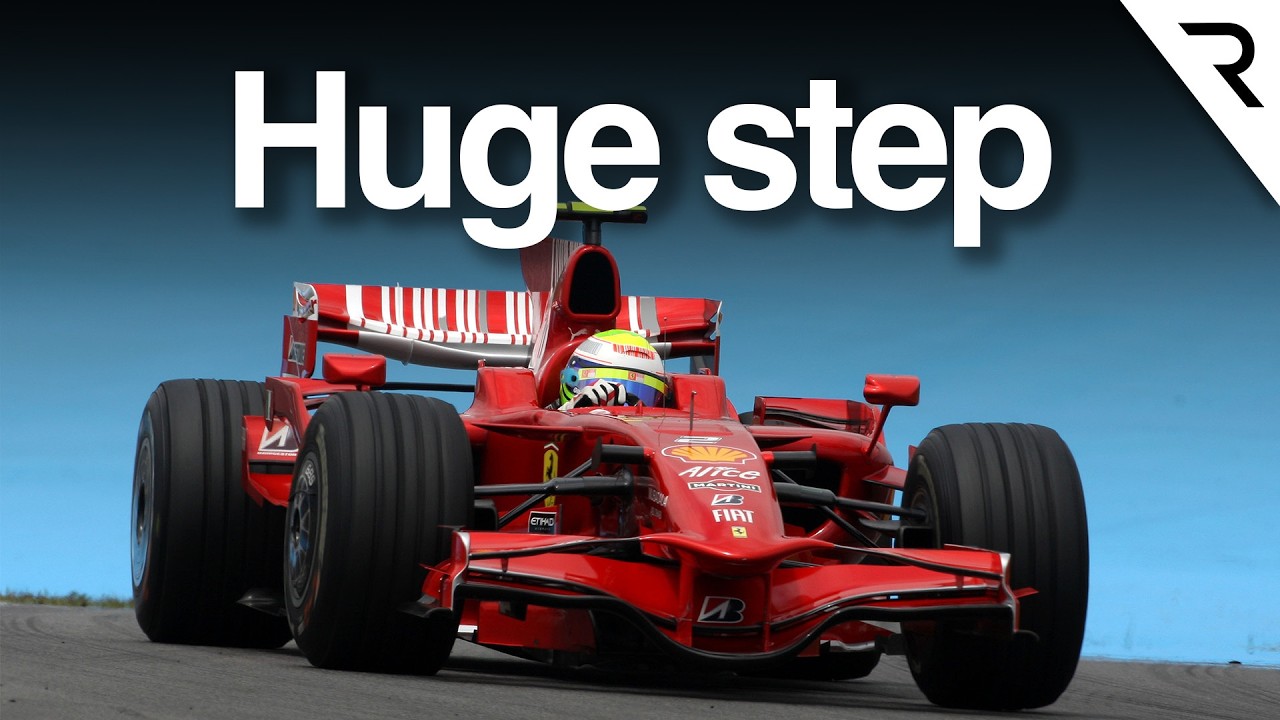
When discussing the potential performance level of the 2026 cars without the recent updates, Tombazis remarked, "If we had made no change after June, I guess it would have been probably approximately another two seconds slower." This clears up questions about the significant impact of the new regulations prior to their finalization.
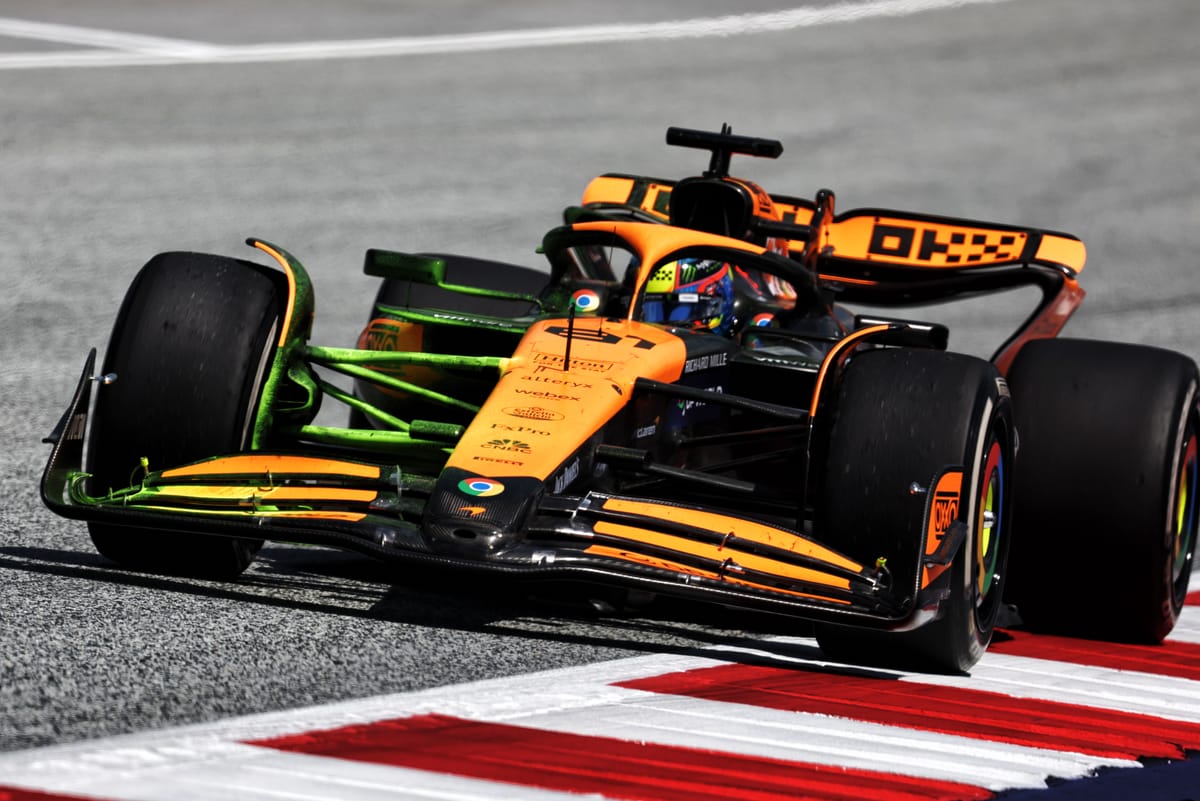
Tombazis elaborated on the specifics of the changes, focusing on aerodynamics as a primary area of enhancement. "The main changes on the aerodynamics have been increasing a bit the box in which the front wing lies," he explained. Additional alterations included implementing a front wing fence and designs reminiscent of those used in earlier models.
"The main changes on the aerodynamics have been increasing a bit the box in which the front wing lies,"
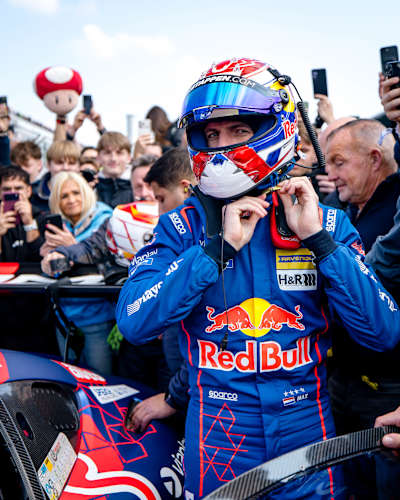
Furthermore, adaptations for devices in front of the car's floor, as well as an enlarged diffuser that has been repositioned further forward, were introduced to support the performance uptick.
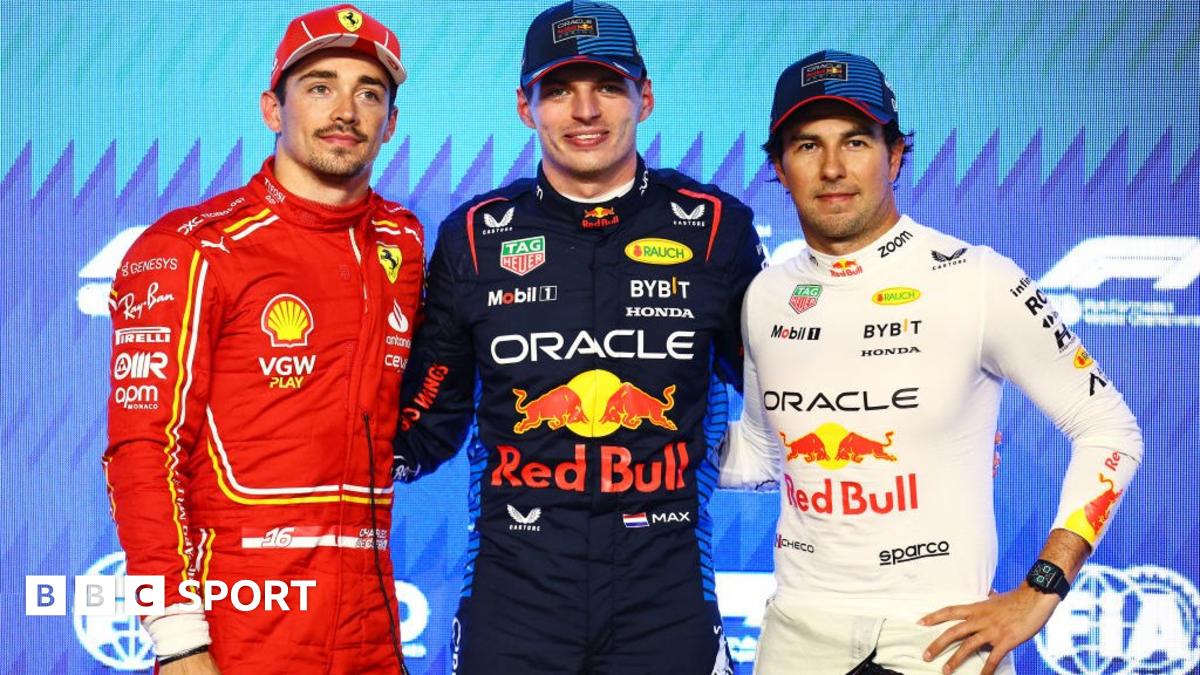
“We've redesigned some of the bodywork around the front wheels, and there's still some work ongoing that may hopefully lead to some final tweaks in the next World Council of the rear bodywork, and how that interacts with the rear tires,” Tombazis revealed.
Current Season
The alterations are intended to take effect for the 2026 season, which arrives amid a wave of anticipation for the new designs. These advancements reflect the sport's commitment to maintaining high competition levels and entertaining fans with more competitive racing.
As teams gear up to transition into these next-generation vehicles, the impact of these changes could reshape strategies both on and off the track. The suggestion that cars will retain a closer performance narrative to their predecessors signals an exciting evolution in Formula 1.
Looking forward, the changes will not only enhance speed but potentially deepen rivalries within the sport, as teams adapt to integrating this new technology into their strategies and car philosophy. With the 2026 season on the horizon, all eyes will be on how these rule modifications play out in real-world scenarios during races, promising an exhilarating chapter for F1 enthusiasts.