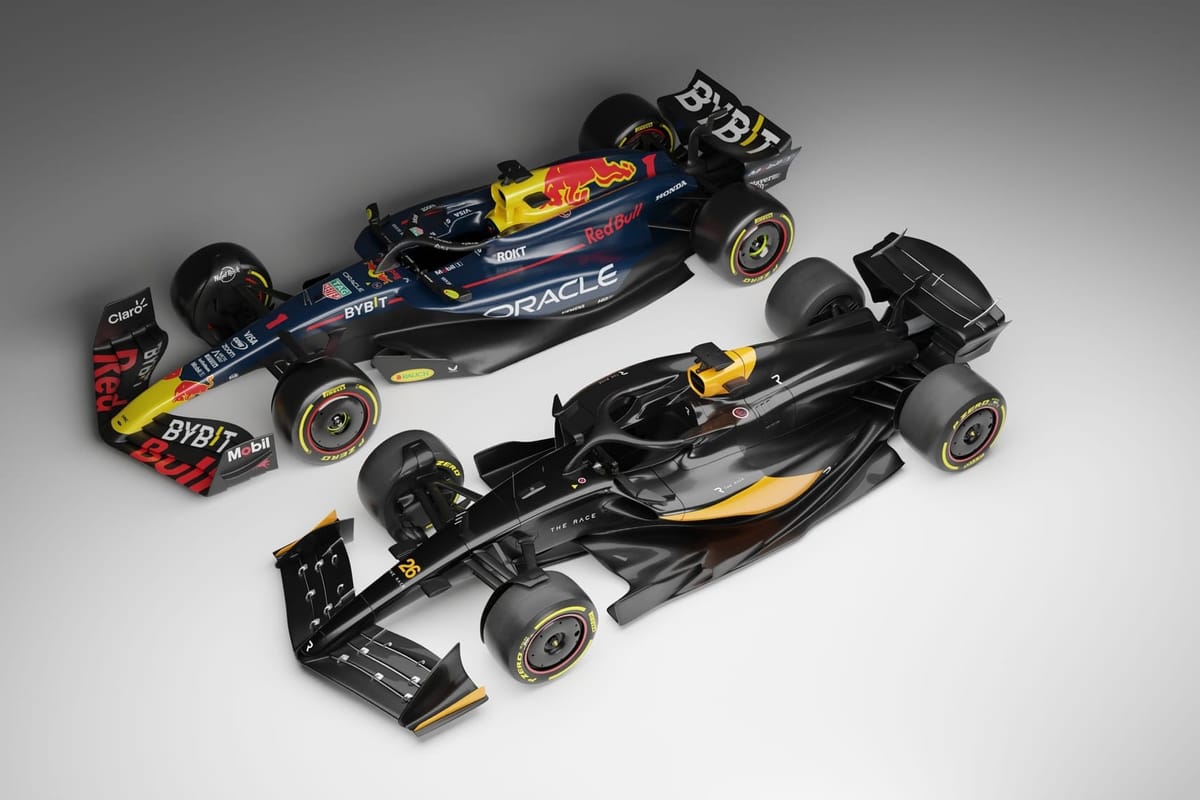
As Formula 1 gears up for its 2026 season, significant changes are underway, especially with the introduction of a new overtaking aid as part of the engine regulations. Key deadlines loom, with June 2024 marking the target for the first draft of chassis technical regulations to be finalized and published alongside existing engine rules that have been in discussion for several years. The shift to next-generation cars will see the continuation of V6 turbo-hybrid engines, but the complexity of these technical advancements remains a challenge for the six engine manufacturers: Red Bull Powertrains, Mercedes, Ferrari, Honda, Renault, and Audi.
A notable alteration involves the elimination of the MGU-H, the component responsible for converting excess heat into electrical energy, thus acting as an advanced anti-lag system for turbochargers. This change, while seemingly favorable for a simplified design, was deemed essential as it conferred a substantial advantage to established manufacturers at a time when F1 seeks to encourage new entrants. The FIA is keen on balancing the field, as indicated by the growing ambitions of Audi and the collaboration between Ford and Red Bull, along with Honda's recent return.
In response to this change, the MGU-K’s power output will be increased to 350kW, or approximately 469 horsepower, thus aiming for a balance in power distribution between the internal combustion engine and electrical assist. This adjustment seeks to maintain the competitive edge despite various pressures from teams, particularly Red Bull, which voiced concerns about the fairness of such regulations last year.
One of the most striking updates is the incorporation of a ‘manual override’ feature, which is intended to provide drivers additional tools to enhance overtaking maneuvers. Although the FIA maintains confidence in the aerodynamic behavior projected in simulations for the 2026 cars, they recognize an urgent need for a mechanism that promotes overtaking. "There will be, in all likelihood, some form of the DRS," said FIA single-seater director Nikolas Tombazis. He emphasized the importance of having either aerodynamic or engine-driven assistance to facilitate overtaking. "As much as we would rather have none of that and have cars just able to be nose to tail and attack each other... we also don't want to have to be in a situation where we find they can’t overtake."
"There will be, in all likelihood, some form of the DRS,"
The FIA has expressed concerns that the new focus on enhanced efficiency and low drag in car designs might inadvertently hinder overtaking opportunities. High-speed characteristics could make racing even more challenging, as competitors might find it difficult to pass one another due to the aerodynamic profiles of the cars. To mitigate this, the FIA is designed to manage the deployment of MGU-K power, especially at speeds exceeding 340 km/h, thereby preventing cars from reaching dangerous velocities of around 400 km/h on straightaways.

Tombazis added, "We definitely can't risk getting in that position,” indicating the organization's commitment to maintaining an exciting and competitive racing environment. The implementation of these rules strives to balance speed with safety while ensuring a fair contest among teams.
Current Season
In sum, as teams prepare for the forthcoming 2026 season, the rules are being meticulously tailored to retain the essence of racing while adapting to modern demands for power and precision. The successful integration of these advancements could very well redefine Formula 1’s race dynamics, emphasizing the importance of clever engineering and strategy in future competitions.