Formula 1 will make qualifying the centerpiece of its first in-season rule tweaks under the 2026 regulations, with changes targeted immediately after the Japanese Grand Prix. The aim is to push through updates that could be implemented as early as the Miami Grand Prix in May.
Teams, Formula One Management and the FIA have been reviewing the 2026 framework after the opening rounds. A dominant theme is how energy-starved cars and automated energy management have altered the fight for pole, prompting complaints from drivers, fans and teams that a core element of the weekend has been dulled.
According to The Race, a complex regulatory environment and system automation have forced counterintuitive driving tactics. The outlet reported that Charles Leclerc’s sprint qualifying lap in China was stymied by power deployment behaviour that wasn’t understood at the time.

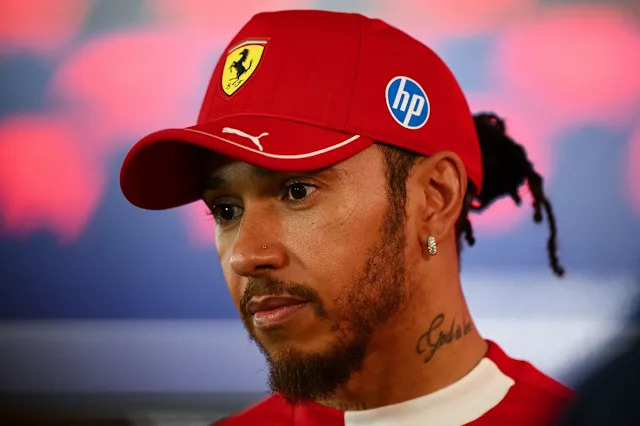
It later emerged that a brief throttle lift to correct a slide earlier in the lap confused Leclerc’s engine system, derailing the attempt. "I felt in the past one of my strengths was that come Q3 I was just taking massive risks to get something out more, and now when you do that you start confusing the engine side of things," he said in Shanghai.
Leclerc is not alone, with a growing paddock view that the art of a qualifying lap has been eroded by the level of management required. McLaren’s Andrea Stella called for some introspection: "Do we accept that this counterintuitive situation belongs to the business or not?" he said. "I think this is more of a high-level philosophical question. "I think fans are a part of this in finding the answer, but above all, drivers are a part of this in finding the answer. So I think it's for F1 and the FIA now to collect the feedback, and create a picture."
As reported by The Race, qualifying took precedence in a post-China meeting between team bosses and the FIA on potential 2026 changes. There was broad agreement to put qualifying fixes at the top of the agenda, with a follow-up meeting of technical experts and the FIA scheduled after the Japanese GP to focus on solutions.
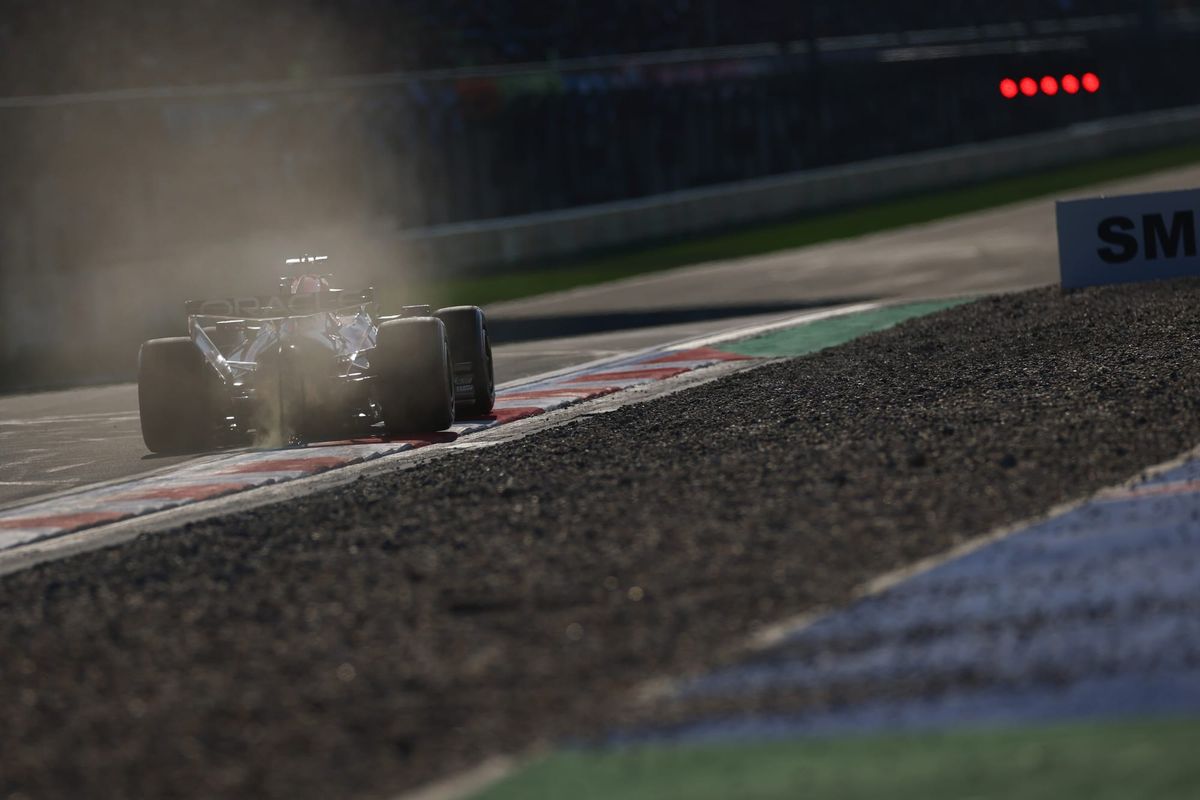
The goal is to remove battery management as a factor in qualifying so drivers can attack flat-out. The challenge is finding a route within current energy limits: increasing the harvesting allowance from super clipping - where the MGU-K effectively runs in reverse - to the full 350kW would discourage lifting and coasting, but present energy levels still wouldn’t sustain full boost over an entire lap.
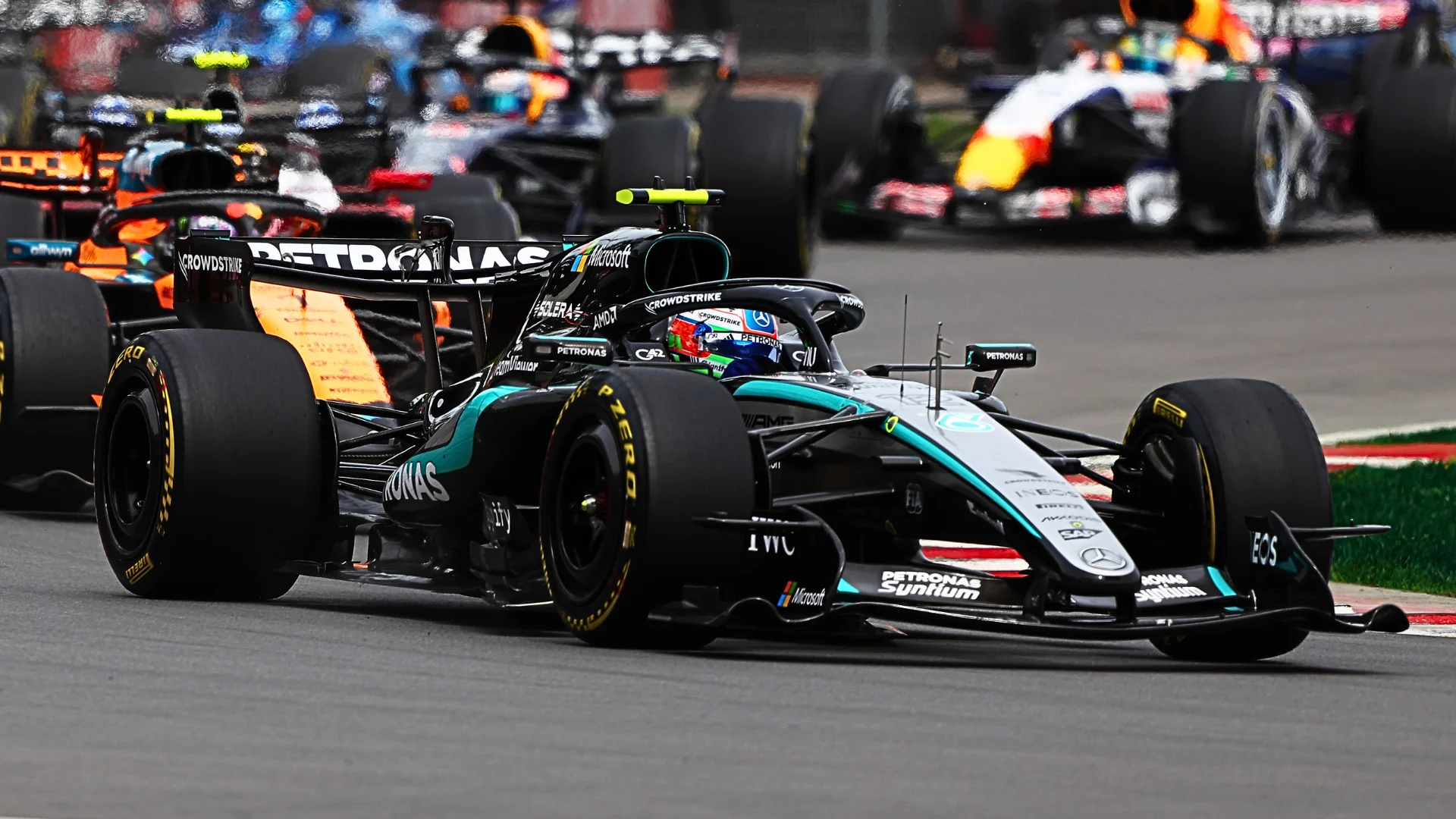
Another avenue could be to alter the power split between the internal combustion engine and the battery for qualifying. Cutting battery deployment to 200kW would spread power over more of a lap, albeit at a slower ultimate pace, which may face fan pushback; that drop could be countered by increasing the engine’s contribution, perhaps by upping fuel-flow for qualifying only.
Alongside energy-characteristic tweaks, F1 is also weighing simplified rules to avoid the power-limited and ramp-down-rate restrictions that have caused headaches this year.
While teams appear aligned on improving qualifying, there is less appetite to change how the races unfold. Some drivers dislike the deployment tactics and yo-yo style of duelling seen in 2026, but opinion among fans is less uniform. Mercedes’ Toto Wolff noted: "We were all part of Formula 1 where there were no overtakes, literally," he said. "Sometimes we are too nostalgic about the good old years, but I think the product is good in itself. We saw quite some racing in the midfield also and that is I think the positive. "Now from a driver standpoint, when it comes to the balls out qualifying lap, that is different. "Clearly lift and cost in qualifying, I'm sure for someone like Max [Verstappen] who is a full-attack guy, it is difficult to cope and digest."
What to watch next: the post-Japan technical meeting will determine the preferred package of changes, with the series aiming to have updates ready for Miami. Any adjustments are expected to focus squarely on restoring a flat-out qualifying spectacle, while leaving race dynamics largely untouched for now.
---
*Originally published on [Newsformula One](https://newsformula.one/article/f1-to-fast-track-qualifying-fix-for-2026-rules-after-japan). Visit for full coverage.*