As Formula 1 gears up for the 2026 season, the introduction of a double Drag Reduction System (DRS) is set to transform the way teams approach car setups. The new regulations bring not just a revision of past concepts but a fundamental shift in how drivers use aerodynamic features on both the front and rear wings.
"We’re transforming the fundamental principles of DRS to reduce fuel consumption and optimize performance," said an FIA representative, underscoring the regulatory body's commitment to innovation in motorsport. The conventional DRS, historically employed primarily for overtaking, will undergo a paradigm shift as it evolves into a double system.
"We’re transforming the fundamental principles of DRS to reduce fuel consumption and optimize performance,"

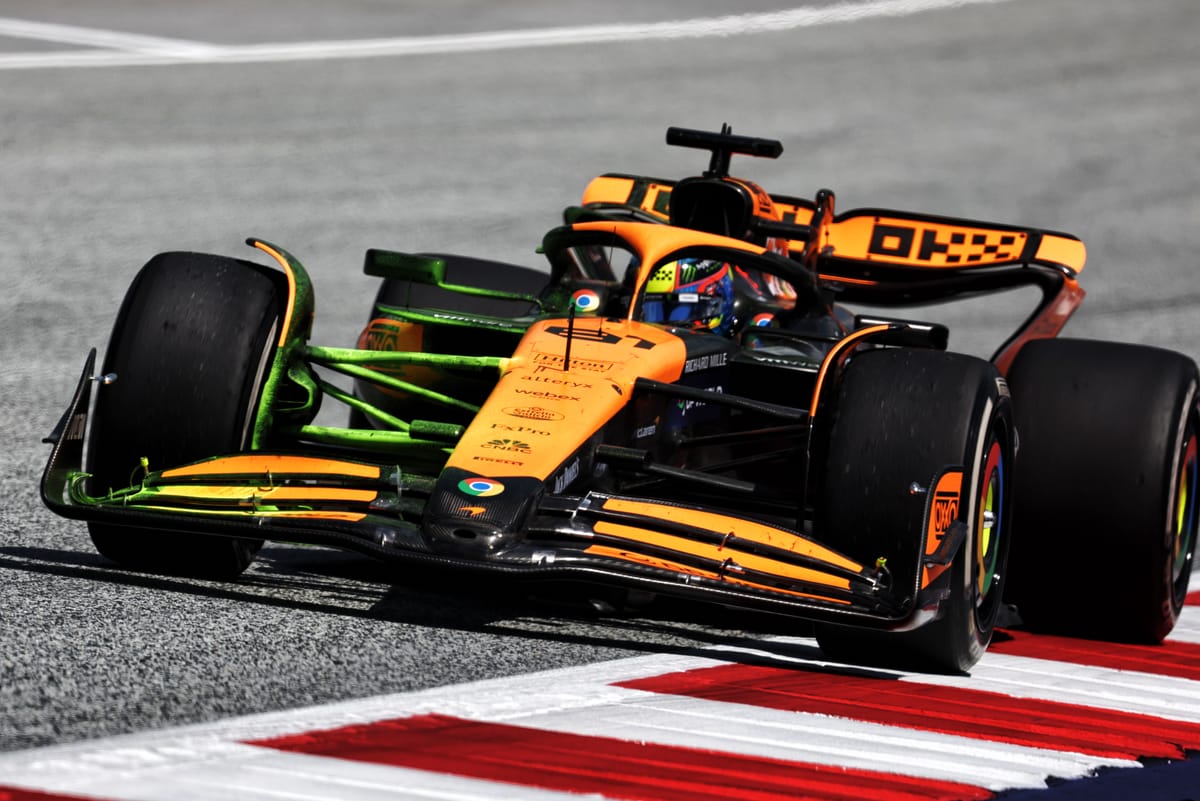
In 2026, DRS will no longer simply facilitate overtaking; instead, it will focus on alleviating fuel consumption and recovering time lost through cornering. This means the aerodynamic benefits will be reallocated to enhance overall efficiency rather than just increase speed during close racing situations.
"The FIA’s new approach introduces an ‘overtake mode’ that complements the double DRS system by offering drivers a strategic advantage while racing, not merely enhancing speed when tailing another car," said a technical engineer involved in the development process. This overtaking mechanism will allow activation when a car is within a second of the vehicle ahead, but only in designated zones on the track.
"The FIA’s new approach introduces an ‘overtake mode’ that complements the double DRS system by offering drivers a strategic advantage while racing, not merely enhancing speed when tailing another car,"

Current Season
Current Season

Current Season
Understanding the term 'double DRS' reveals that mobility is not disappearing; instead, it has evolved. In the 2026 F1 season, teams will incorporate two movable wing elements: one at the front and the other at the rear. "We are seeing a shift to three elements in front wings with one fixed and two movable components," explained an aerodynamicist. This change signifies a departure from the four-component designs of previous seasons.
"We are seeing a shift to three elements in front wings with one fixed and two movable components,"
Impact and Legacy
Moreover, a significant modification involves the narrowing of the cars and a shift of permitted endplate volume 50 millimeters inward from the tire edge. This alteration aims to optimize airflow dynamics while managing turbulence, factors critical for the stability and handling of the vehicle in high-speed situations.
Impact and Legacy
"The front wing modifications will directly impact how we manage airflow and reduce drag on straight sections of the track," said a leading F1 engineer. This innovation aims to leverage the advantages of drag reduction across all straight and quasi-straight segments, allowing teams to enhance their speed effectively.
"The front wing modifications will directly impact how we manage airflow and reduce drag on straight sections of the track,"
Current Season
Despite these advancements, there remains an inquiry into whether active aerodynamics might constrict the setup window for the 2026 season. The FIA's aim to promote efficiency could influence how teams design their aerodynamic setups. "New regulations mean that all cars can use movable elements on straights, inevitably leveling out aerodynamic disadvantages, which complicates setup strategies," noted a team strategist.
"New regulations mean that all cars can use movable elements on straights, inevitably leveling out aerodynamic disadvantages, which complicates setup strategies,"
With previous norms, variations in wing incidence provided teams with the strategic edge they needed for specific tracks. Accordingly, high-speed circuits like Monza saw different approaches compared to twisting tracks like Monaco. The dynamics of these strategies may dissipate come 2026, as noted by a team principal who commented on the evolving landscape, "We may need to rethink our entire approach to the wing settings as disparities between circuits diminish."
The FIA has also retained the ability to further regulate the usage of the straight-line mode at designated points during specific race weekends. "This could introduce a new layer of complexity in our aerodynamic setups, ensuring that teams remain flexible and adaptable to a range of conditions," remarked a senior engineer.
"This could introduce a new layer of complexity in our aerodynamic setups, ensuring that teams remain flexible and adaptable to a range of conditions,"
As teams begin their preparations for the Bahrain tests in early 2026, the potential implications of these technical alterations are extensive. While the double DRS reveals exciting opportunities for speed and efficiency, it also raises fundamental questions about team strategies, car designs, and the future of overtaking in Formula 1.