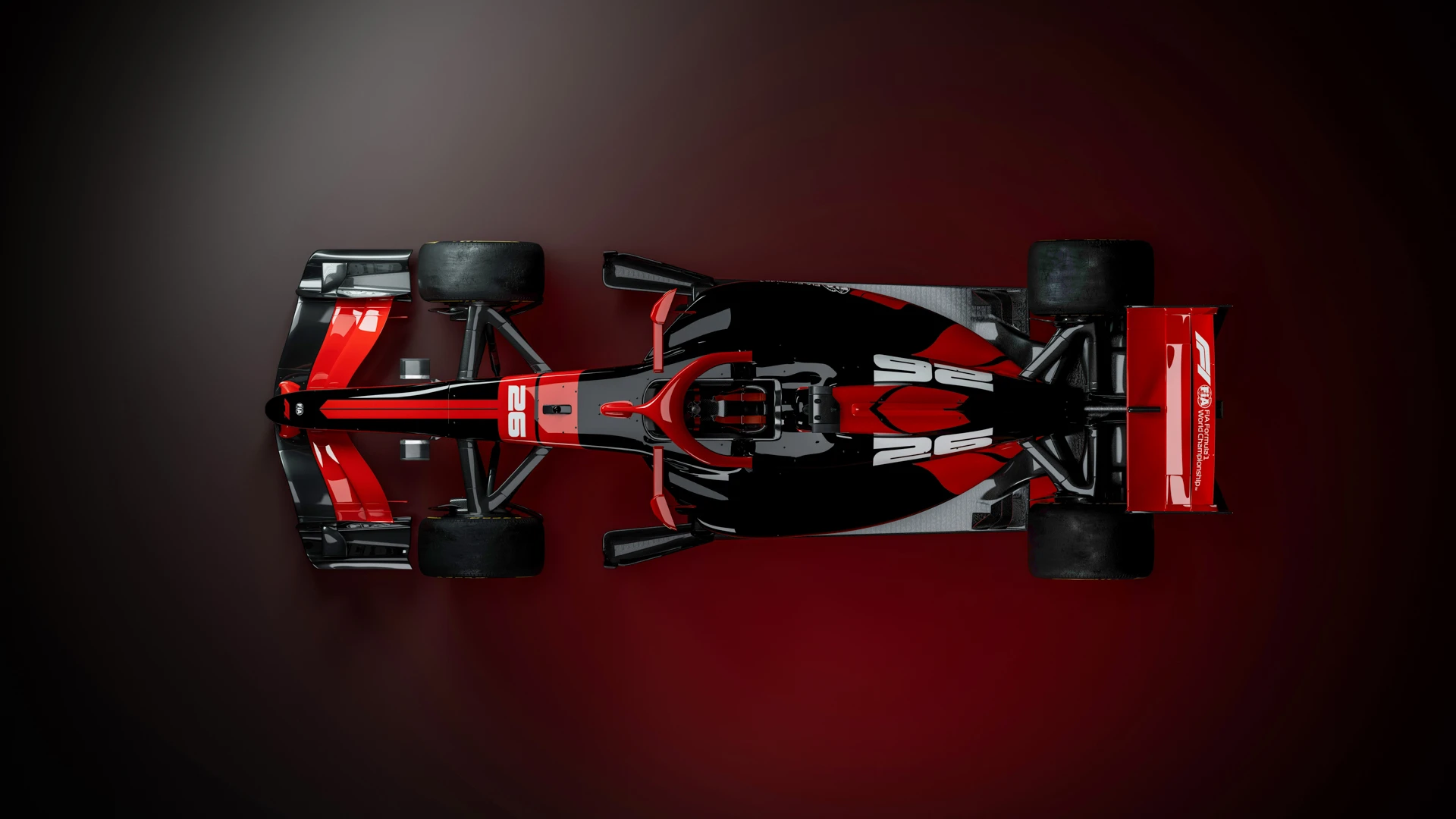
The world of Formula 1 is poised for a transformative shift in 2026 with new regulations that promise to reshape the sport's competitive landscape. These changes, the most substantial seen in over ten years, aim to position F1 as a leader in innovation while enhancing the excitement for both teams and fans alike.
"From 2026, Formula 1 will feature a revised aerodynamic package that will deliver new-look cars alongside an overhauled set of power unit rules," said Lawrence Barretto, a correspondent and presenter for F1. This revamp is set to involve existing stalwarts like Ferrari and Mercedes, as well as new entrants such as Red Bull Powertrains, who are partnering with Ford, along with Audi and General Motors, looking to make their debut in 2029.
"From 2026, Formula 1 will feature a revised aerodynamic package that will deliver new-look cars alongside an overhauled set of power unit rules,"
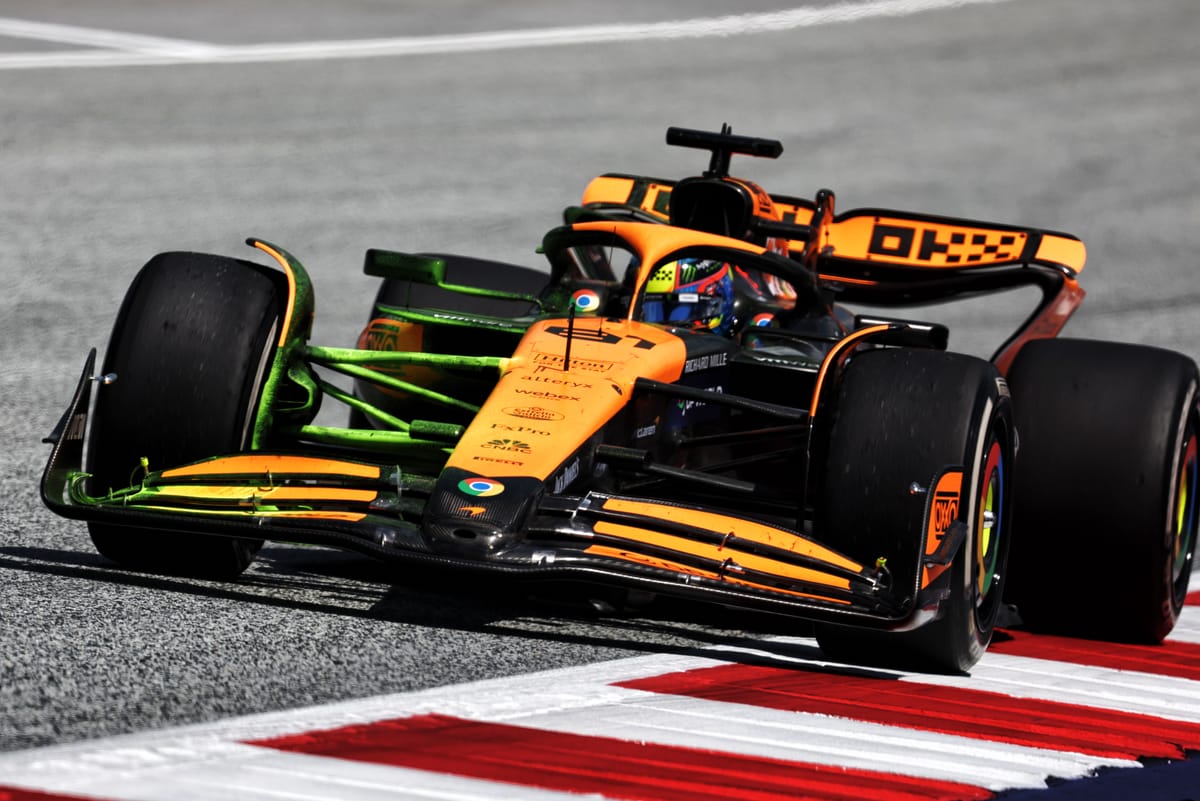
As the sport looks forward, the aerodynamic changes are particularly striking. The new cars will be shorter, narrower, and lighter, enhancing their agility on the track. The changes also include a shortened wheelbase, which is expected to improve responsiveness through corners. While still using 18-inch Pirelli tyres, these will be narrower to reduce drag and weight, and the elimination of wheel arches will further contribute to a sleeker design.
"The cars will still be fitted with 18-inch Pirelli tyres – but they are narrower. That’ll cut drag – and trim off yet more weight," Barretto noted, highlighting the practical implications of the new specifications.
The shift away from the previous regulations, which emphasized intricate floor designs, will introduce a flatter floor with larger diffusers. This change is likely to decrease downforce and require a higher ride height, promoting diversity in car setups to accommodate various driving styles. In essence, this aims to level the competitive field.
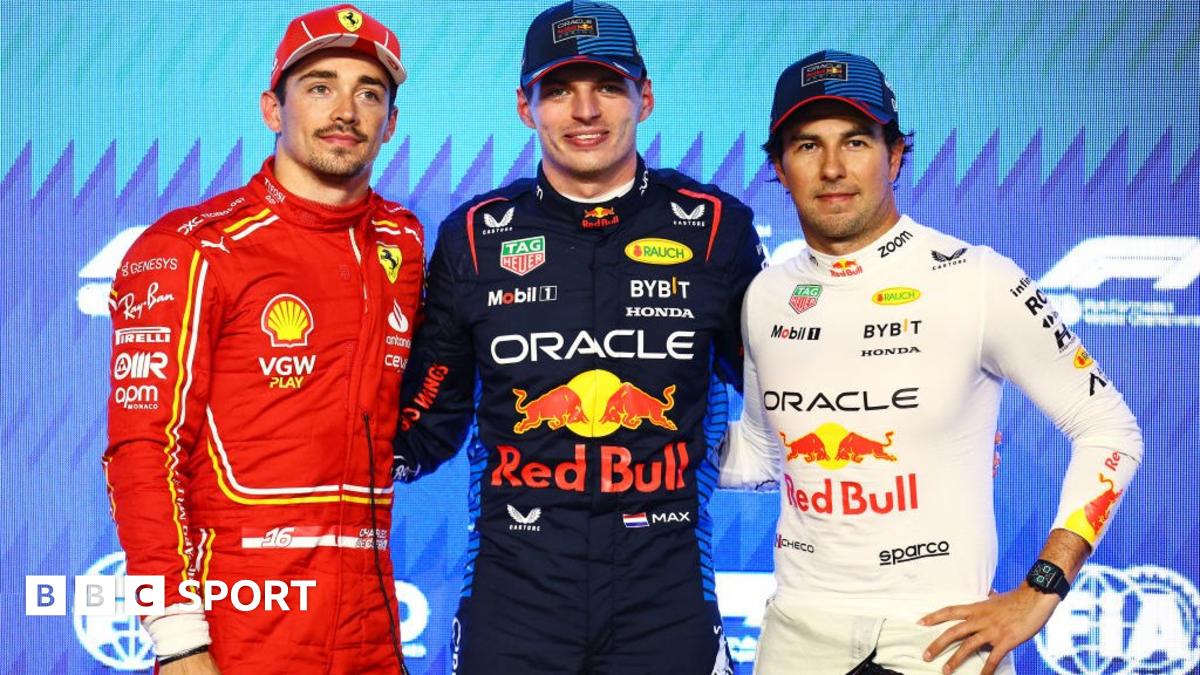
"From 2026, it’s all change. It’s goodbye long ground-effect tunnels and hello flatter floors with extended diffusers with bigger openings," Barretto explained.
Team Dynamics

Team Dynamics
In addition to aerodynamic tweaks, both front and rear wings will undergo simplification, reducing the number of elements. The rear beam wings will be eliminated, while the front wing will incorporate narrower elements. This design evolution will create new areas for team development, as the shape and configuration of the front wing heavily dictates overall performance.
Race Results
"The outer sections of the front wing will also offer potential new areas of development and this will certainly be a critical battleground for teams," said Barretto, emphasizing the strategic importance of these changes.
"The outer sections of the front wing will also offer potential new areas of development and this will certainly be a critical battleground for teams,"
Perhaps the most groundbreaking change comes with the introduction of Active Aero. This feature allows cars to adjust the angle of their wing flaps based on track position. According to Barretto, this will enable drivers to maintain grip in corners while using a low-drag mode on straights to enhance speed.
"On designated straights, drivers can activate low-drag mode, which opens the flaps and flattens the wings, reducing drag and boosting top speed. This is available to every driver, on every lap," he explained, painting a picture of the new competitive dynamics.
With Active Aero in play, DRS will effectively be rendered obsolete. "Active Aero means essentially saying goodbye to DRS in its current form," Barretto stated. However, drivers will retain an advantage when they are within one second of their rival, allowing them to activate an Overtake Mode for an extra boost of energy.
"Active Aero means essentially saying goodbye to DRS in its current form,"
"A driver can strategically use it. The mode is just for attack and is triggered when they’re within one second of the car in front," Barretto elaborated, detailing how this added element will change racing strategies.
Drivers will still have access to a boost function for maximum engine output, renamed the Boost button. They may deploy this at any point, provided their battery is sufficiently charged. "Drivers can continue to use it in defence as well as overtaking at any point around the lap," said Barretto, illustrating how the new tool will empower racers.
"Drivers can continue to use it in defence as well as overtaking at any point around the lap,"
Furthermore, drivers will have control over their battery recharge processes, collaborating with their race engineers to optimize energy management.
"Drivers will oversee their battery recharge. Working with their race engineer, the duo can select from a range of different modes to recharge their battery, from braking and engine energy," he explained, signaling a shift towards greater strategic depth during races.
Current Season
Current Season
With the combination of these regulatory changes, F1 is gearing up for a thrilling 2026 season. Teams will need to adapt their strategies and tech developments to keep pace with these transformative regulations, ushering in a new era of competition and excitement for fans around the world.