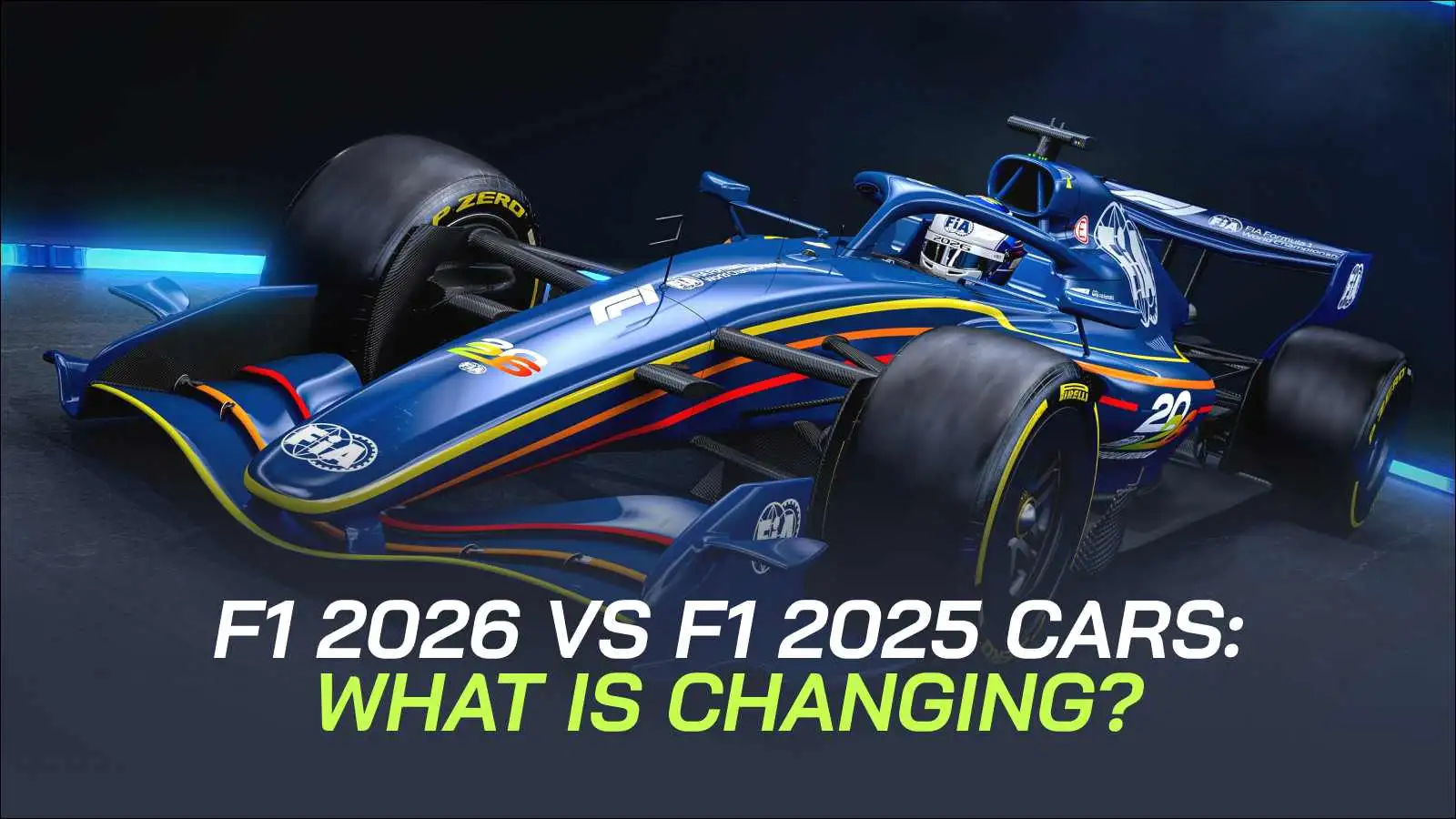
As the Formula 1 community gears up for the 2026 season, significant regulatory changes are on the horizon. The sport will introduce a revamped chassis and new power units, reshaping the competition landscape.
These updates will not only alter the vehicles themselves but will also herald the arrival of new entities within the sport. "I am excited about the inclusion of Cadillac and the innovations from Audi and Red Bull Ford Powertrains," said Christian Horner, Team Principal of Red Bull Racing. These manufacturers will add depth to the competition, showcasing new technologies and strategies.
"I am excited about the inclusion of Cadillac and the innovations from Audi and Red Bull Ford Powertrains,"

One crucial aspect of these changes is the size of the cars. The FIA has announced that the F1 2026 cars will be slightly more compact than their 2025 versions. "The goal is to make the cars more nimble," explained an FIA spokesperson. "Over the decades, F1 cars have grown larger, and we believe this change will enhance maneuverability on the track." The adjustments will reflect a reduction in wheelbase and width by 5.5% and 5%, respectively, resulting in dimensions of 3400mm in length and 1900mm in width for the 2026 cars, compared to 3600mm and 2000mm for 2025.
"The goal is to make the cars more nimble,"
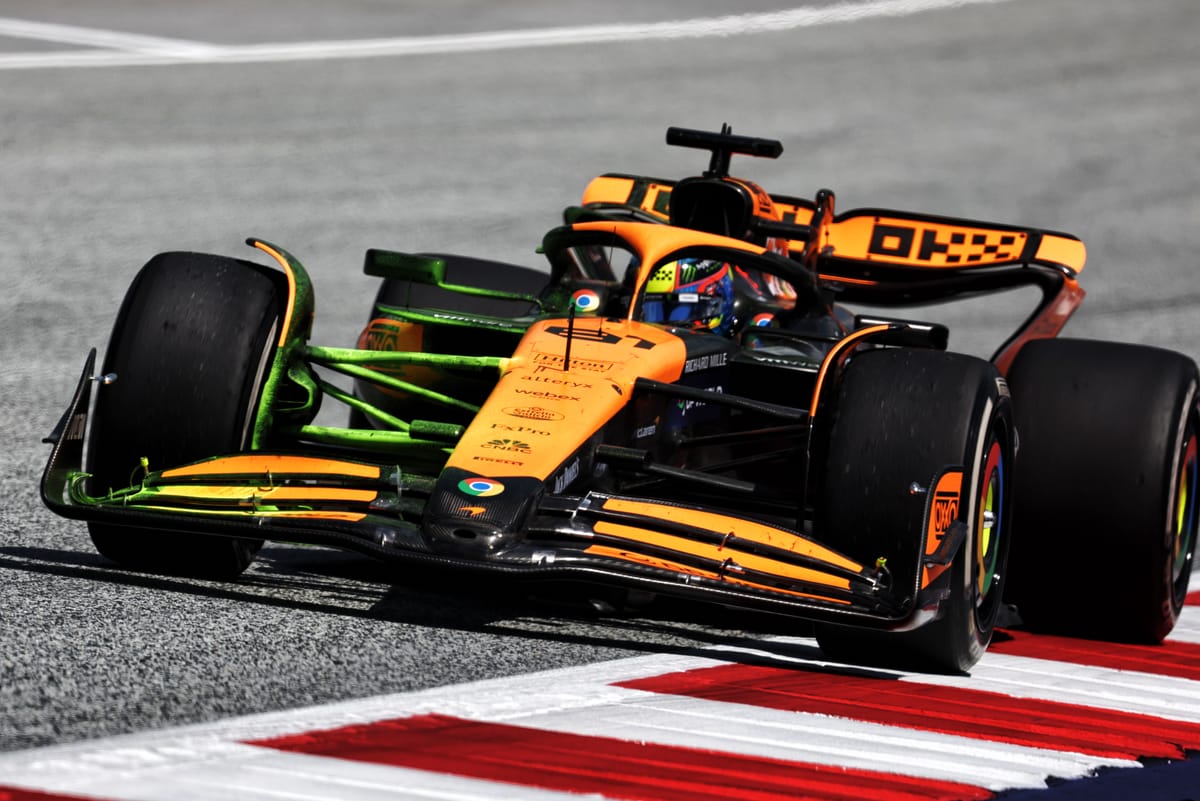
The weight of the cars is another area undergoing transformation. The upcoming models will be lighter as part of the FIA's strategy to improve agility. "We are reducing the minimum weight by 4%," stated the FIA, noting that the new benchmark will be set at 768kg, down from the current 800kg. "With lighter vehicles, drivers will experience enhanced control and speed."

"We are reducing the minimum weight by 4%,"
Current Season
Power generation is at the heart of the changes implemented for the 2026 season. The new power units will maintain a horsepower figure just above 1000bhp but will shift the balance significantly toward electric energy. "We expect a tripling of the MGU-K power output compared to 2025," commented an inside source at a leading team. The hybrid model will evolve with a focus on sustainability, featuring 100% sustainable fuel and a reduced internal combustion engine (ICE) output of around 535bhp, down from the 850bhp combined with MGU-H in 2025.
"We expect a tripling of the MGU-K power output compared to 2025,"

Current Season
This transformation aims to limit fuel use to approximately 70kg per race, a notable decrease from the 100kg limit seen in the current season. "The drive towards sustainability is paramount for the future of Formula 1," stated a team executive.
"The drive towards sustainability is paramount for the future of Formula 1,"
In terms of performance, many are curious whether the sound of the cars will change. While the 1.6-litre V6 configuration will remain, the different power dynamics could alter the auditory experience. "It’s tough to predict how they’ll sound until they hit the track," shared an engineer. "However, considering the increase in electrical components, we might see the cars become quieter overall. Still, the internal combustion engine’s presence will ensure some familiar roar remains."
"It’s tough to predict how they’ll sound until they hit the track,"
Current Season
As for speed, predictions suggest that the F1 2026 cars may lose a bit of pace in comparison to their 2025 counterparts. There are no official calculations available yet, but experts believe that the reduction in downforce and drag could lead to slower lap times. However, racing teams have historically found ways to enhance their performance over the course of a season. "Each team is focused on continuous improvement, and while the regulations might suggest slower times, we will push to find speed wherever possible," emphasized a team strategist.
"Each team is focused on continuous improvement, and while the regulations might suggest slower times, we will push to find speed wherever possible,"
Additional insights into the driver lineup and confirmed teams for the 2026 season will also provide intriguing context as the new era unfolds. With a blend of tradition and innovation, the upcoming season promises to be one of the most transformative in F1 history.
Looking ahead, the implementation of these regulations represents a significant step for Formula 1 towards modernity and sustainability. The changes will not only redefine the cars but also influence strategies and competition on the track, setting the stage for an exciting era ahead in motor racing.