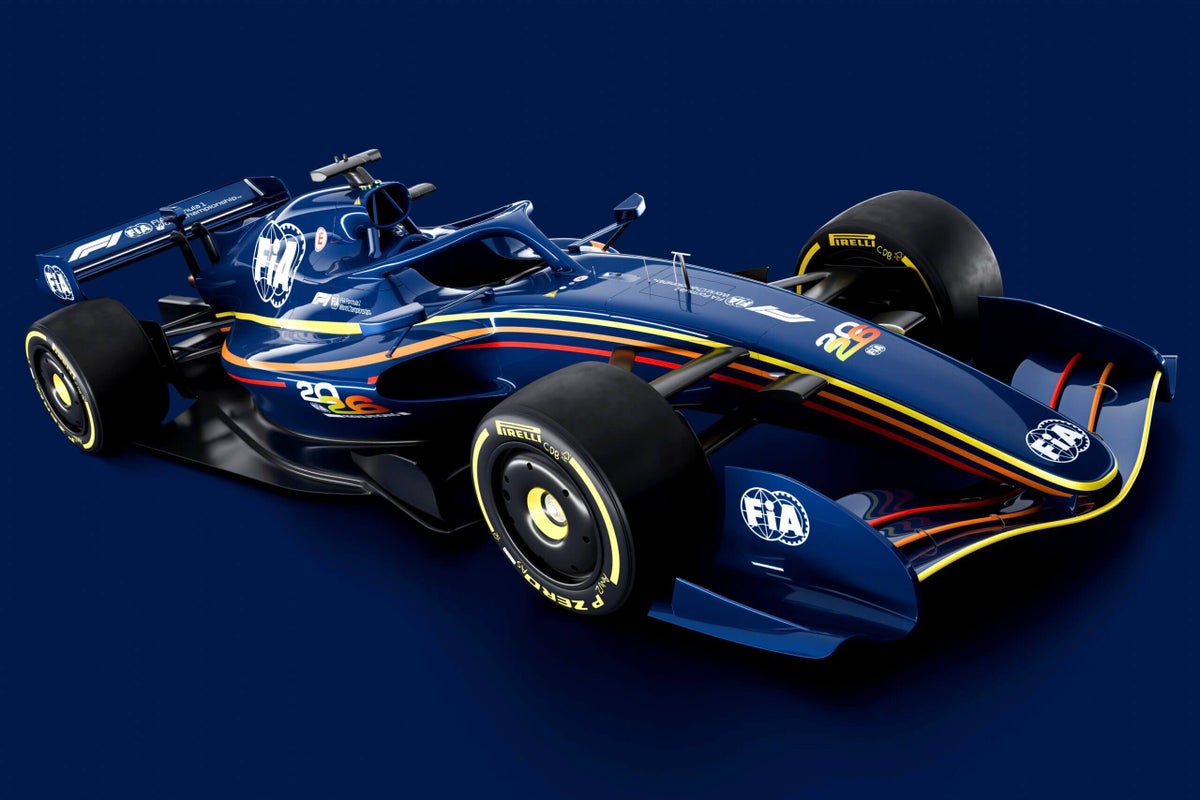
Formula 1 is poised for its most significant technical overhaul in years with the dawn of the 2026 season. The new regulations represent a fundamental shift in philosophy, moving the sport further towards sustainability and road-relevance while aiming to intensify on-track competition.
The cornerstone of the 2026 changes is a revolutionary new power unit. This next-generation hybrid system places an unprecedented emphasis on electrical energy, fundamentally altering the balance of power within the car.
As the regulations state, the power unit will feature a **“50-50 power split”** between internal combustion and electrical energy. This massive increase in electrical power, coupled with the use of **“Advanced Sustainable Fuels”**, makes the technology highly attractive to both current and future manufacturers.
This shift has drawn commitments from Ferrari, Mercedes, Red Bull Powertrains in partnership with Ford, Audi, and a returning Honda. General Motors is also set to join the grid from 2029.
A key new concept for 2026 is ‘Recharge’ mode. This function allows drivers to harvest energy during certain phases of a lap to charge the battery for later use.
**“In short, Recharge is available to a driver for those 'quieter' moments on track, when they can afford to tuck away a bit more electrical energy,”** the regulations explain. Energy can be harvested **“when braking, on part throttle, when lifting off (when a driver lifts off the throttle early) or when ‘super clipping’ (when some harvesting happens at the end of the straight when a car is still at full throttle).”**
For the most part, this process will be automated by the car’s ECU. However, drivers retain direct control over one method. **“The only Recharge mode the driver will have direct control of will be lift-off regeneration, whereby if the driver lifts off the throttle pedal, they can Recharge.”**
This active energy management is paired with a radical new aerodynamic philosophy. The 2026 cars will feature dramatically smaller and lighter chassis, a move that necessitates a complete redesign of the aerodynamic package.
Furthermore, the introduction of a ‘Manual Override’ mode, often referred to as ‘Boost’, will provide drivers with a strategic tool. This function allows for a short, high-power deployment of electrical energy, adding a new layer of tactical depth to wheel-to-wheel battles and qualifying laps.
Together, these sweeping changes promise to reset the competitive order. The 2026 regulations are designed not only to advance F1’s environmental credentials but also to create a more dynamic and unpredictable spectacle, challenging teams to innovate from a blank sheet of paper and rewarding drivers who can most adeptly manage their new hybrid systems.
---
*Originally published on [newsformula.one](https://newsformula.one/article/f1-2026-regulations-a-new-era-of-power-aerodynamics).*