As Formula 1 gears up for its 2026 season, a wave of regulatory changes is set to reshape the landscape of the sport. These adjustments encompass various aspects, but the most notable alterations focus on power units and tyre regulations.
"The new power units will be hybrid and more efficient, which is a key sign of F1's commitment to sustainability," said FIA President Mohammed Ben Sulayem. The shifts toward more eco-friendly technologies have been a topic of discussion in the racing world, with increasing emphasis on reducing carbon footprints.
"The new power units will be hybrid and more efficient, which is a key sign of F1's commitment to sustainability,"
One major alteration involves the engine regulations which will see F1 adopt a greater reliance on sustainable fuels. "By 2026, the sport aims to run on 100% sustainable fuels, showcasing its dedication to environmental stewardship," stated Formula 1 CEO Stefano Domenicali. This transition represents a significant step in F1's long-term vision to become a net-zero carbon sport by 2030.
"By 2026, the sport aims to run on 100% sustainable fuels, showcasing its dedication to environmental stewardship,"
The new regulations will also increase the thermal efficiency of the engines, setting a target of 50% efficiency for the power units. "With the emphasis on cutting-edge technology and performance, we anticipate a dramatic increase in innovations coming from our teams," indicated engine manufacturer head of research and development, Dr. Mark Elkin.

"With the emphasis on cutting-edge technology and performance, we anticipate a dramatic increase in innovations coming from our teams,"
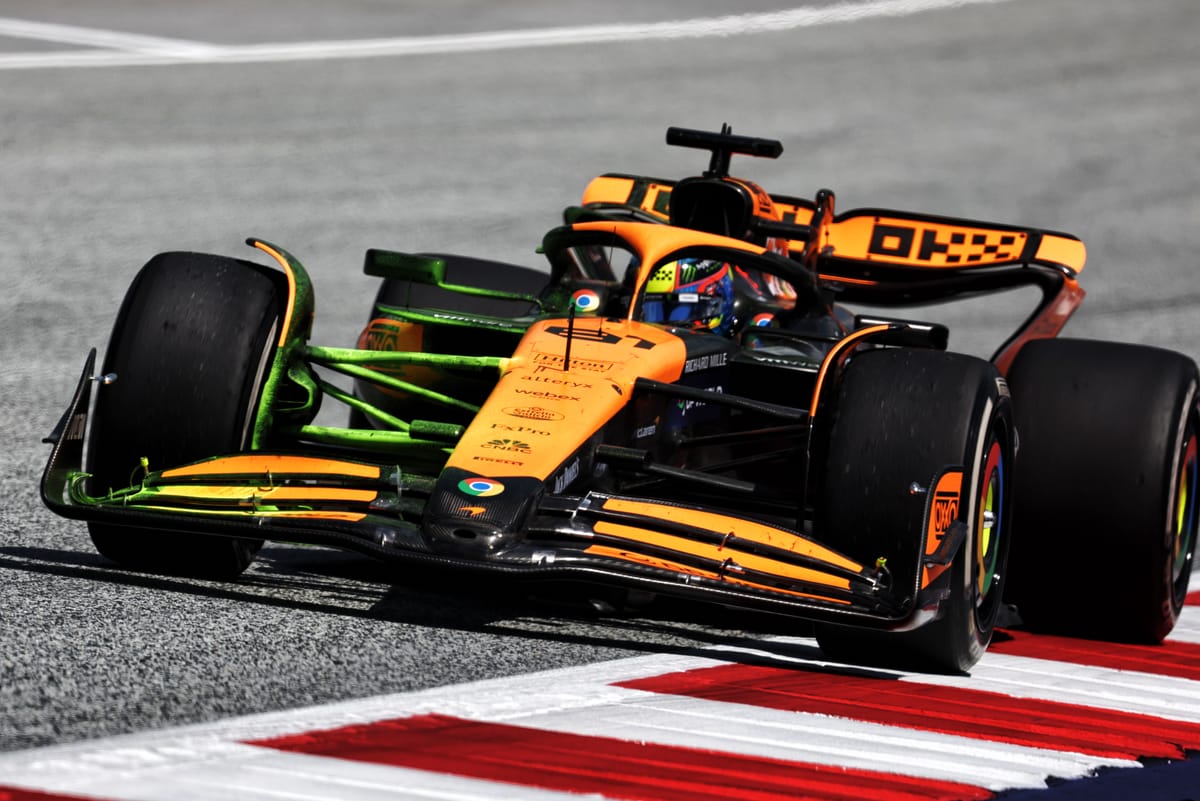
In addition to the power units, the tyre specifications are undergoing revisions. Pirelli, the official tyre supplier, is set to deliver new tyre compounds that align with the improved performance of the engines. "Tire durability and performance will be enhanced to complement the hybrid engines, ensuring that the races remain as thrilling as ever," noted Pirelli's motorsport director, Mario Isola.
"Tire durability and performance will be enhanced to complement the hybrid engines, ensuring that the races remain as thrilling as ever,"

Looking Ahead
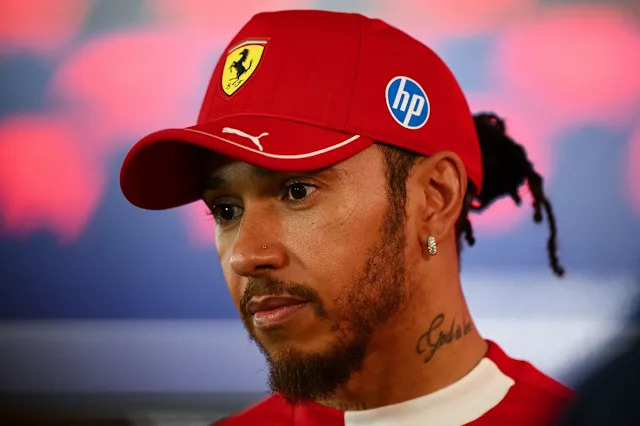
Among the drivers, anticipation is high surrounding these changes. Lewis Hamilton expressed, "I’m excited about what the future holds for F1. This is not just about speed but also about how we can innovate responsibly." This sentiment reflects a wider acceptance among teams and drivers alike, who recognize the importance of combining performance with environmental responsibility.
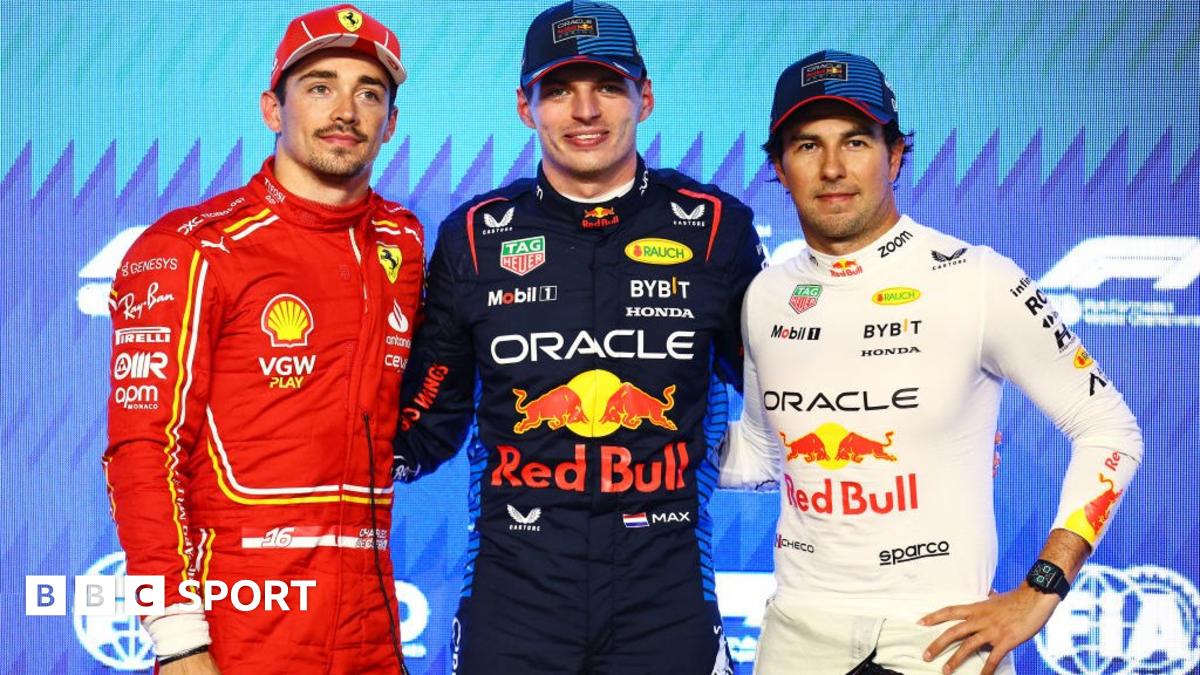
Max Verstappen, the reigning champion, commented on the expected evolution of driving strategies, stating, "With the new regulations, drivers will need to adapt. It’s going to be interesting to see how teams approach race day with different fuel types and tyre functionalities."
The changes are not just about speed; they also have strategic implications. Teams will need to rethink their approaches to race setups and tire strategies. "We’re looking at new possibilities for race strategies that will hinge on how the tyres perform under the new regulations," explained Mercedes team principal Toto Wolff.
"We’re looking at new possibilities for race strategies that will hinge on how the tyres perform under the new regulations,"
Furthermore, the involvement of young talent remains a focal point as teams scout for the next generation of drivers who will need to master these new dynamics. "It’s an exciting time for young drivers coming into the sport, especially with how crucial the hybrid systems will become in differentiating performance," stated Red Bull's head of driver development, Helmut Marko.
"It’s an exciting time for young drivers coming into the sport, especially with how crucial the hybrid systems will become in differentiating performance,"
The regulatory changes come amid a broader push from F1 to capture new audiences and maintain relevancy in an era of changing viewer expectations. “We need to engage with a new generation that demands not only thrilling sport but also accountability,” Domenicali added.
Impact and Legacy
As the clock ticks down to 2026, Formula 1 is poised at the threshold of a transformative chapter in its history. With ambitious goals for sustainability and thrilling races at the forefront of its mission, fans and stakeholders will be closely watching how these changes unfold in the coming years. Needing a perfect blend of performance and responsibility, teams that can successfully adapt will likely emerge as leaders in this new era of racing, setting benchmarks for innovation that could influence motorsports globally.