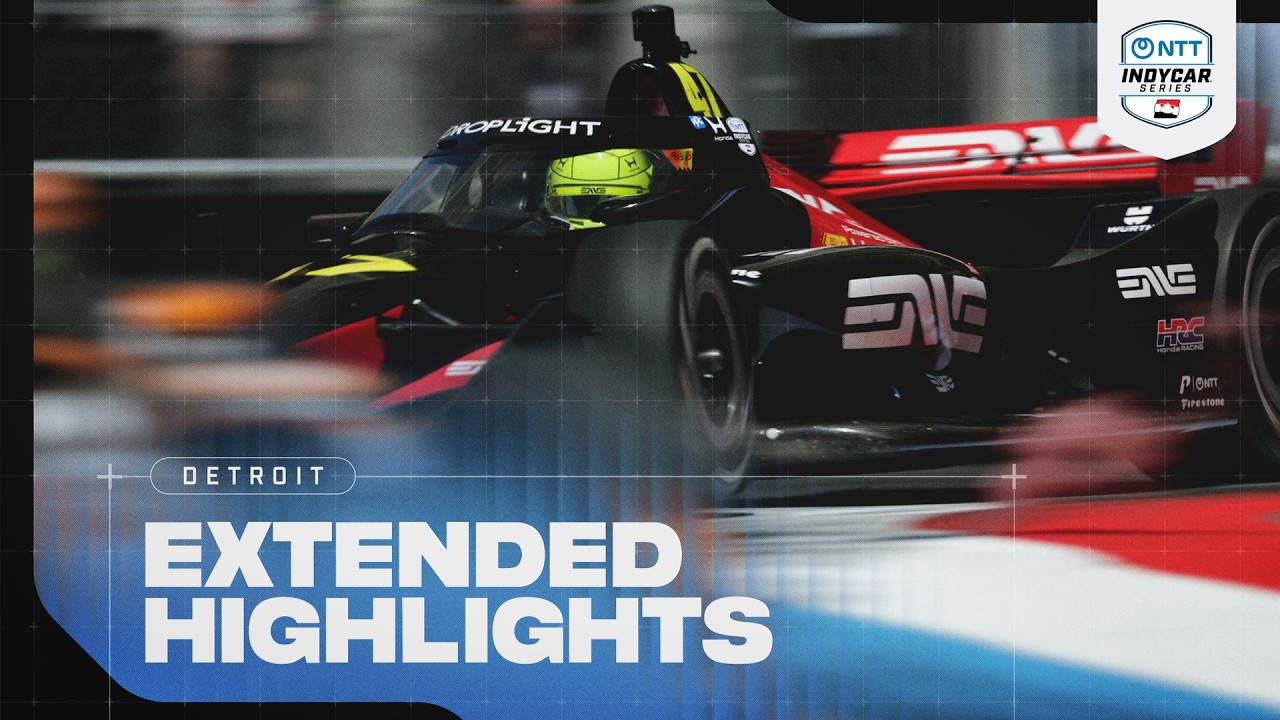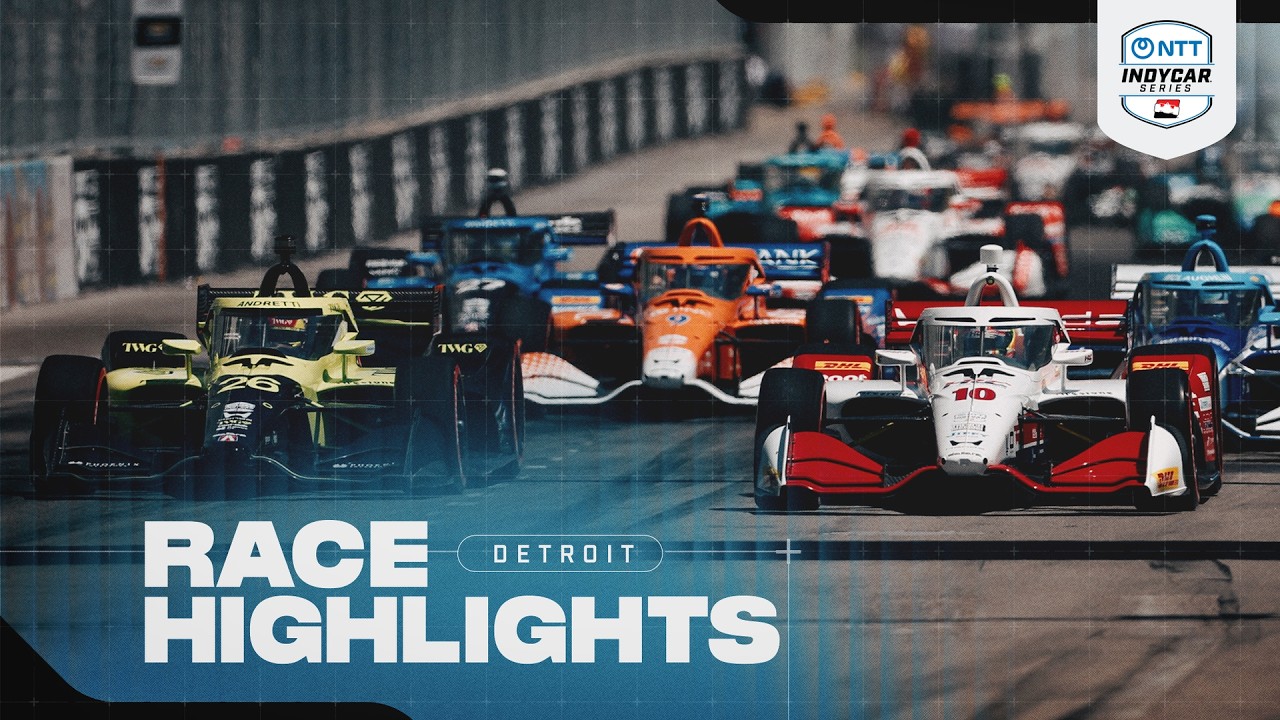
Scott Dixon has become the latest IndyCar driver to publicly turn on the series' hybrid power unit, after another failure wrecked his Detroit Grand Prix and left the six-time champion questioning who would ever want to buy the technology.
Dixon was running inside the points at the Detroit street race when the system cut out early. He limped on for a time before retiring after 69 of the 100 laps, classified 24th.
"Yeah, just another joyous hybrid failure," Dixon said afterwards. "It happened early, like maybe lap four or five, I think we were out, we couldn't deploy. And then it had problems regening, once it does it, then it just goes into failure mode."
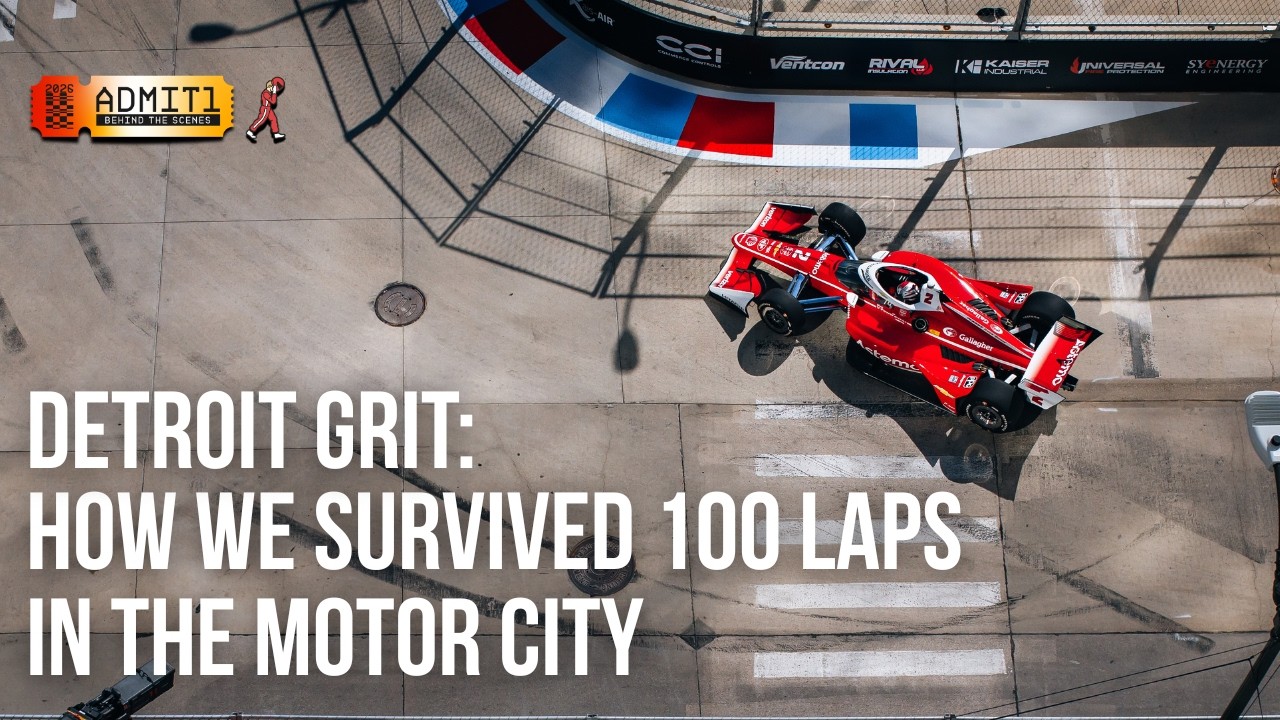
The hybrid unit, introduced midway through 2024, was sold to teams and manufacturers as a marketable piece of road-relevant technology. Dixon is not convinced the showroom case has been made.
"I don't think anybody wants to buy these," he said.
He is not alone. Alexander Rossi had already aired similar frustration after a hybrid failure of his own, and was caught on the radio delivering a sarcastic "I love the hybrid, thank you Honda!" as his race unravelled.
His complaints went beyond reliability. Rossi tied the criticism to a delayed full-course caution during a road-course race, arguing the series had been too slow to react to a dangerous situation.
"The fact that it took that long to throw a full course caution when the cars on the front straight were going by at 170 miles an hour also seems insane," he said, "when they don't let us drive in the wet yesterday."
That second strand drew a response. IndyCar's independent officiating board reviewed the incident and changed how race control escalates a local yellow to a full-course caution, stripping competitive considerations out of the decision.
"The Lap 21 incident on Saturday made clear that there needs to be a cleaner standard for how race control moves from a local to a full course yellow," said board chair Raj Nair. "INDYCAR Officiating, with INDYCAR's full support, has made this change of approach to ensure that the only inputs to the full course yellow escalation are safety ones."

INDYCAR president J. Douglas Boles backed the shift, with officials stressing they "must not waver" on putting safety ahead of the show.
The officiating fix addresses one of Rossi's grievances. The hybrid question is harder to answer. The unit added weight and complexity when it arrived, and a run of high-profile failures at marquee events has handed the series' biggest names an open microphone to vent.
For Dixon, whose first taste of the hybrid era also ended in trouble at its 2024 introduction, the pattern is wearing thin. The technology was meant to modernise IndyCar and broaden its commercial appeal. On current evidence, its loudest reviews are coming from the cockpit, and they are not the kind any manufacturer wants in a sales brochure.
---
*Originally published on [Motorsports Global](https://motorsports.global/article/dixon-and-rossi-turn-on-indycars-unwanted-hybrid). Visit for full coverage.*