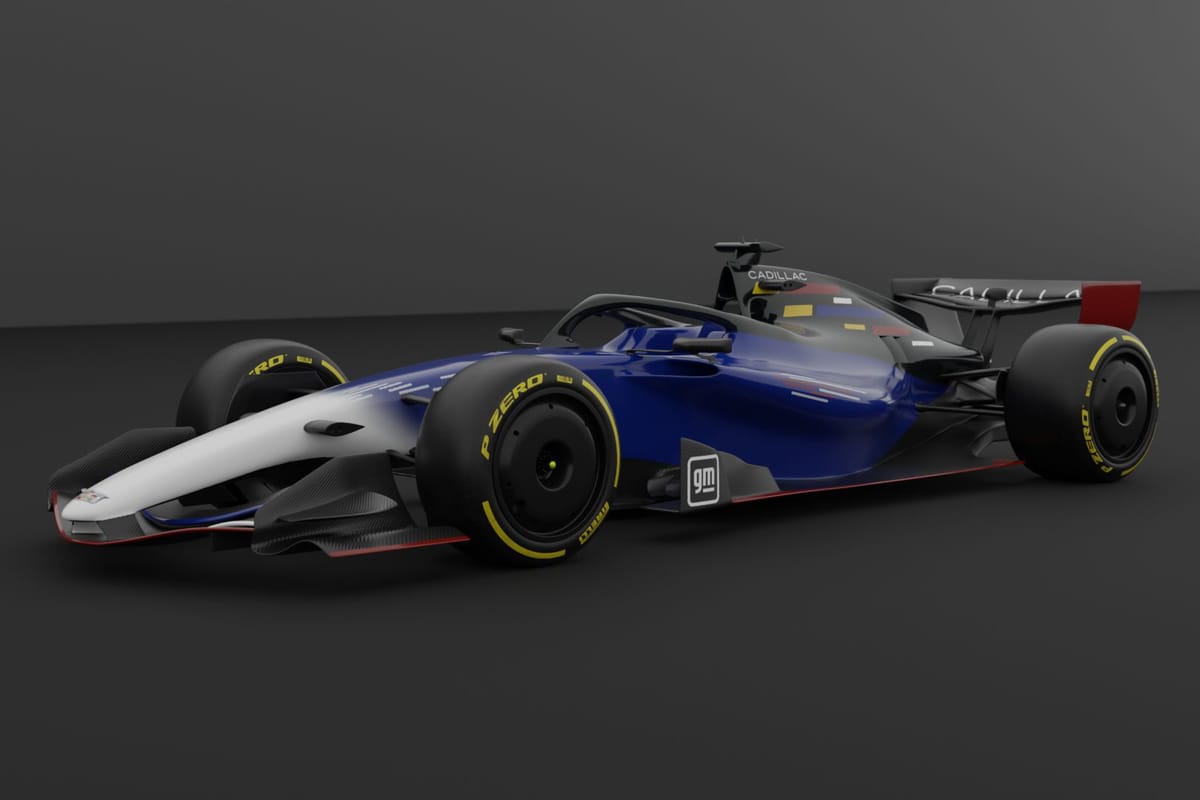
With 2026 on the horizon, Formula 1 is preparing for a monumental regulatory overhaul that has sparked debate over whether this transformation is truly historic. Red Bull team principal Christian Horner asserted, "2026 is the biggest reset in probably the last 60 years of F1," capturing the strong sentiment surrounding these changes.
"2026 is the biggest reset in probably the last 60 years of F1,"
Such bold declarations are not uncommon in the sport. Notably, many can recall similar claims made during the introduction of the current rules package in 2022 and significant shifts in the past, including the rise of turbo hybrid power units in 2014. Even further back, the introduction of flat-bottomed cars in 1983 marked the end of the first era of ground-effect cars. The fabric of F1 has always been woven with change.
Historically, the rules governing Formula 1—first published in 1946—were quite rudimentary, especially when compared to today’s extensive and intricate set of regulations, now amounting to 260 pages. The sport has shifted from a relatively unrestricted playground for innovation to a tightly controlled framework determined by what the rulebook permits. This evolution has often led to significant new regulations reshaping the landscape of car development.
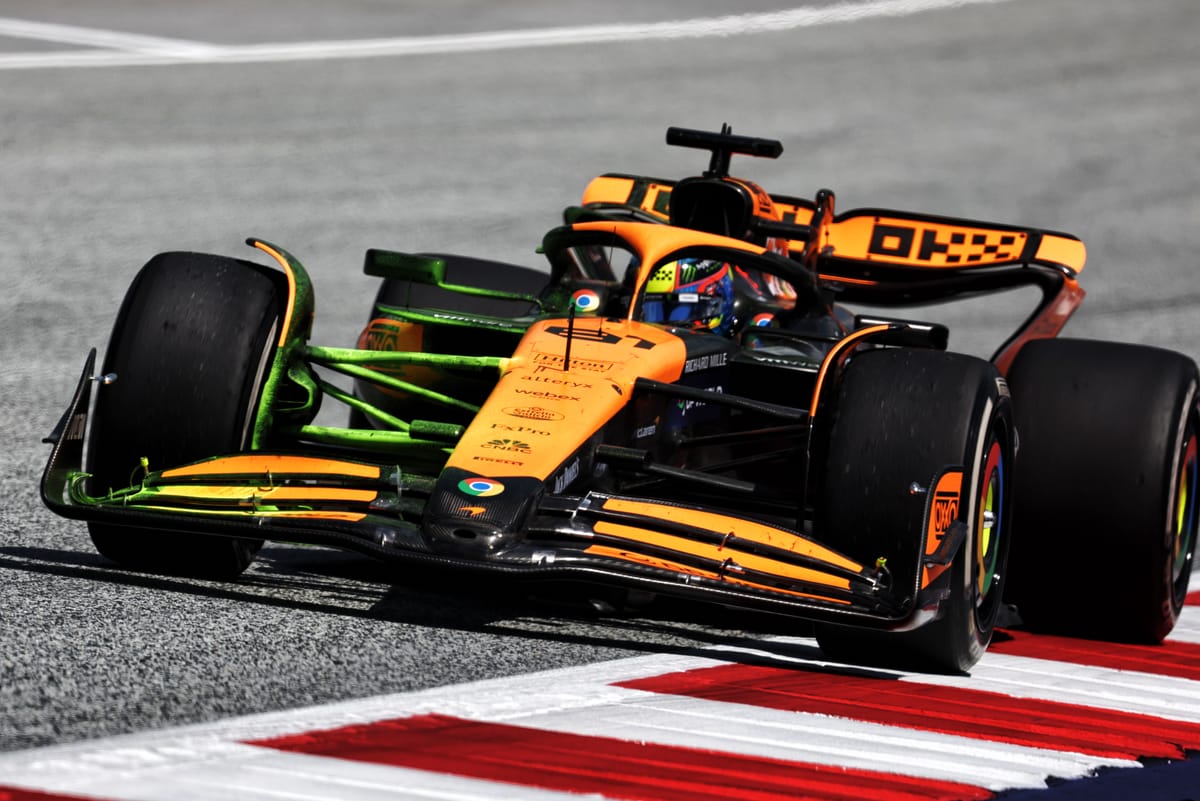
The 1983 flat-bottom regulation is a prime candidate for comparison, as it shifted the course of development away from powerful venturi tunnels. Renowned engineer Adrian Newey remarked on the significance of these changes, asserting that the cars returning to the track in 2022 represented, "the biggest single regulation change we've had since the old ground effect venturi cars were banned at the end of 1982."
Impact and Legacy

While no one can dispute the weight of Newey’s commentary, it also serves to highlight the unprecedented nature of 2026’s changes. Unlike previous monumental rule changes, the regulations of 2026 will impact both the car models and the power units drastically. Newey elaborated in an interview with Germany's *Auto Motor und Sport*, noting, "I can't remember another time in Formula 1 when both the chassis regulations and the engine regulations have changed simultaneously."
The motivation behind this overhaul stems from the industry's shift toward electrification in response to evolving automotive standards. The FIA's adjustments include a significant enhancement of the electric motor's output, moving from 120kW to 250kW, which aims to achieve a 50/50 balance between hybrid and conventional power solutions. "This was necessary to match the direction being taken by road car manufacturers," said Nikolas Tombazis, the FIA's head of single-seater department. He further suggested that only two car manufacturers might have remained in F1—likely Ferrari and Mercedes—if the rule changes had not expanded the roster to five manufacturers, including Ford, Honda, and Audi.
"This was necessary to match the direction being taken by road car manufacturers,"

Race Results
What follows is a multitude of challenges that have resulted in an extensive chassis revamp. The regulations also seek to improve racing conditions by mitigating aerodynamic outwash, facilitating more fluid competition between cars. Moreover, efforts are being made to make vehicles smaller and lighter, adjustments that may also enhance safety.
Looking Ahead
The debate regarding the significance of the impending 2026 changes is ongoing, fueled partly by the sport's long-standing history of regulatory evolution. Achieving consensus on what constitutes the 'biggest' change is challenging, especially when stakeholders weigh the immediate impact against the long-term trajectory of the sport. As the countdown to 2026 continues, both fans and industry leaders are left to ponder how these developments will reshape the future of Formula 1, leading to enhanced competition and possibly a new era of technological innovation.