
As the 2026 Formula 1 season approaches, fans and teams alike await the introduction of groundbreaking alterations to the sport's power units. With a major emphasis on combining performance with sustainability, the latest modifications are set to change the dynamics of racing.
"The objective is to enhance both performance and sustainability in the coming years," said a prominent Formula 1 executive. This transformation begins with a substantial aerodynamic overhaul, where drag is expected to be reduced by 55%, and downforce will see a decrease of 30%. These changes promise to redefine car handling and speed.
"The objective is to enhance both performance and sustainability in the coming years,"

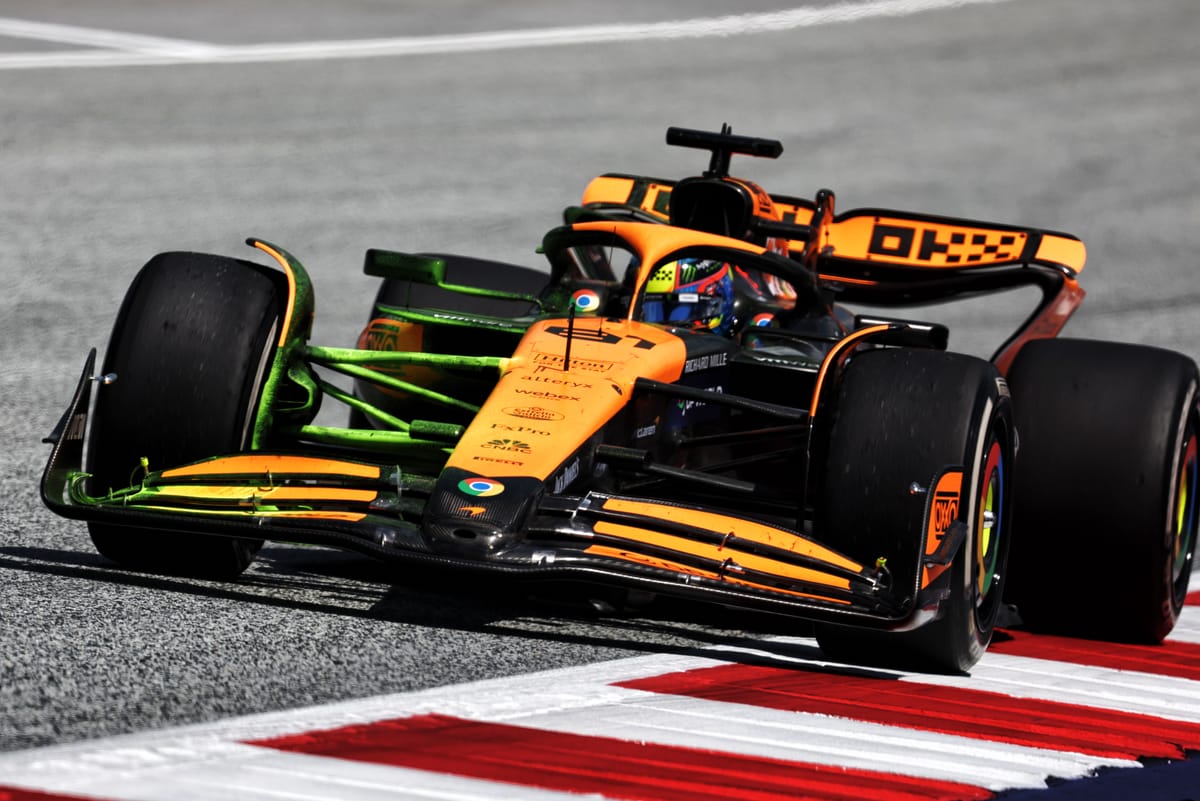
Central to the 2026 changes is a firm commitment to sustainability. As part of the new regulations, all power units will utilize fully sustainable fuels, aligning with the sport's goal of reaching net-zero carbon emissions by 2030. "We believe that sustainability is not just an option; it's a necessity, and we are taking important steps in this direction," remarked a leading analyst in F1 sustainability.
"We believe that sustainability is not just an option; it's a necessity, and we are taking important steps in this direction,"
Team Dynamics
Team Dynamics
A significant technical shift comes with the removal of the MGU-H (Motor Generator Unit - Heat) from the power units. Teams will now concentrate primarily on the MGU-K (Motor Generator Unit - Kinetic), enhancing energy recovery systems. The power distribution has shifted considerably, with the internal combustion engine (ICE) to electric power ratio moving from 80/20 in 2024 to a more streamlined 53/47 by 2026.
Team Dynamics
Team Dynamics
The internal combustion engine's output will drop from 550-560 kW to 400 kW, a reduction of 27%. This significant decrease in ICE output compels teams to optimize their strategies around electric power recovery and deployment.
Conversely, the ERS output will experience a staggering increase, projected to jump from 120 kW in 2024 to an impressive 350 kW. "This 292% boost in ERS output is pivotal for enhancing the vehicles' performance, especially in terms of acceleration and overtaking," said a prominent team engineer.
"This 292% boost in ERS output is pivotal for enhancing the vehicles' performance, especially in terms of acceleration and overtaking,"
Under the new regulations, the Energy Recovery System will incorporate advanced design elements to optimize performance rapidly. The current ERS is structured around two primary components: MGU-K and MGU-H, where the MGU-K is responsible for capturing kinetic energy from braking, and the MGU-H aids in reducing turbo lag by recovering energy from exhaust gases. The 2024 ERS limits the MGU-K's output to 120 kW, but these limits will be significantly extended in 2026.
Race Results
Team Dynamics
"The new setup will challenge teams to think differently about energy management during races," said a race strategist. The implementation of a lighter lithium-ion Energy Store (ES), designed for fast charge and discharge cycles, will facilitate the anticipated expansion of energy dynamics.
"The new setup will challenge teams to think differently about energy management during races,"
With the 2026 regulations, the MGU-K will become even more critical, exclusively handling energy recovery and deployment. Major enhancements include an important specification increase to 350 kW, necessitating innovative cooling solutions and sophisticated algorithms for energy deployment strategies.
The FIA has instituted stringent testing protocols to ensure compliance with the new ERS configuration. "The testing process will involve rigorous evaluations to make certain that teams can harness the full potential of the energy recovery systems efficiently," explained an FIA representative. Teams must now adhere to the new power unit regulations that govern the composition of elements used in the power units, ensuring they conform to the approved specifications.
"The testing process will involve rigorous evaluations to make certain that teams can harness the full potential of the energy recovery systems efficiently,"
Limiting drivers to just three complete power units for the championship season emphasizes the importance of durability and strategic energy use. "We want to encourage efficiency and resilience in our engines, prompting teams to be clever about how they manage their resources during a race," noted a senior team manager.
"We want to encourage efficiency and resilience in our engines, prompting teams to be clever about how they manage their resources during a race,"
As the 2026 season approaches, these sweeping changes herald a new era in Formula 1, prioritizing both speed and sustainability. The introduction of enhanced electric capabilities will not only challenge teams to innovate but also reshape how racing strategies are formulated, emphasizing energy management, efficiency, and performance on track. The motorsport community eagerly anticipates this exciting evolution, one that promises to push technological boundaries and redefine the thrill of racing.