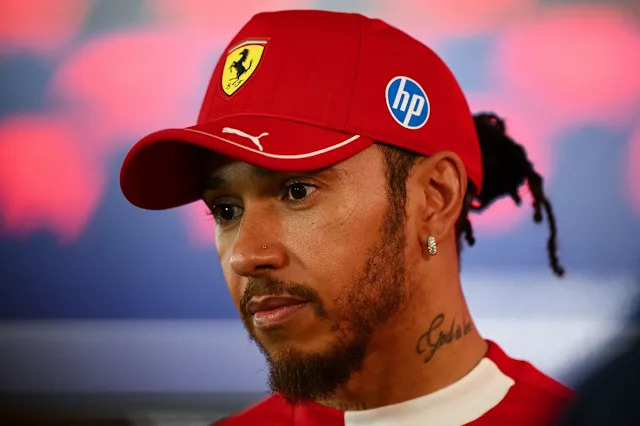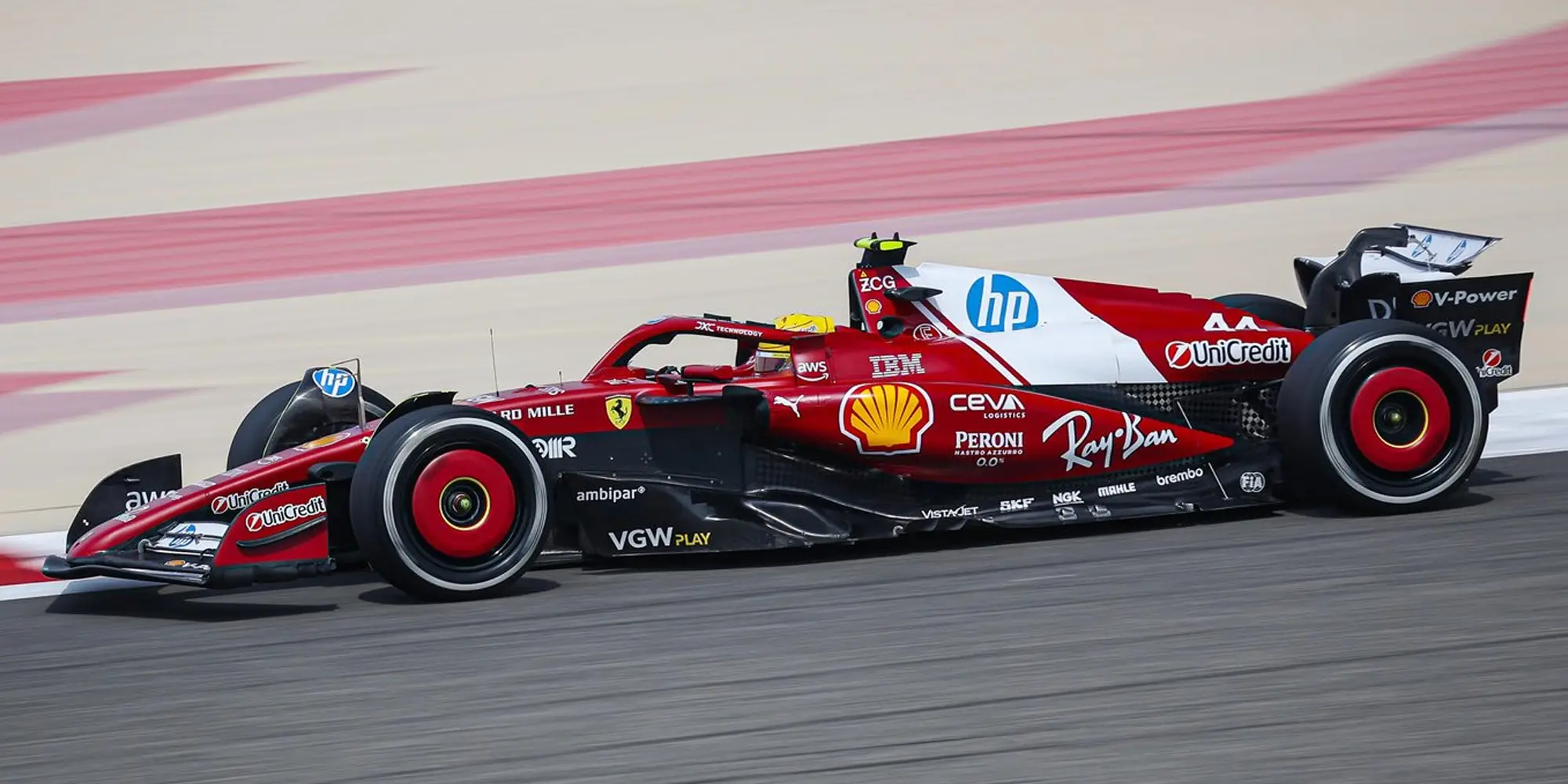
As the world of motorsport gears up for the 2025 Formula 1 World Championship, anticipation is high surrounding the exciting new season that celebrates its 75th anniversary. Featuring a remarkable lineup of 24 Grands Prix, the championship will kick off with the Australian Grand Prix from March 6 to March 8 and conclude with the season-ending Abu Dhabi Grand Prix from December 4 to December 6.
This year's schedule includes a unique twist — due to Ramadan falling within March, both the Bahrain and Saudi Arabian Grands Prix have been moved to April. "We’ve considered the needs and traditions of the communities where we race, and it’s important to respect those schedules," said an F1 executive, reflecting the organization's commitment to cultural considerations.
"We’ve considered the needs and traditions of the communities where we race, and it’s important to respect those schedules,"
March will witness the season’s start in Australia, followed by a series of races in Asia, starting with the Chinese Grand Prix from March 13 to March 15 and the Japanese Grand Prix from March 27 to March 29. This sequence marks a departure from previous years, as F1 aims to streamline travel logistics and reduce costs. "It's about making the calendar more efficient for teams and fans alike," said one F1 analyst.
"It's about making the calendar more efficient for teams and fans alike,"
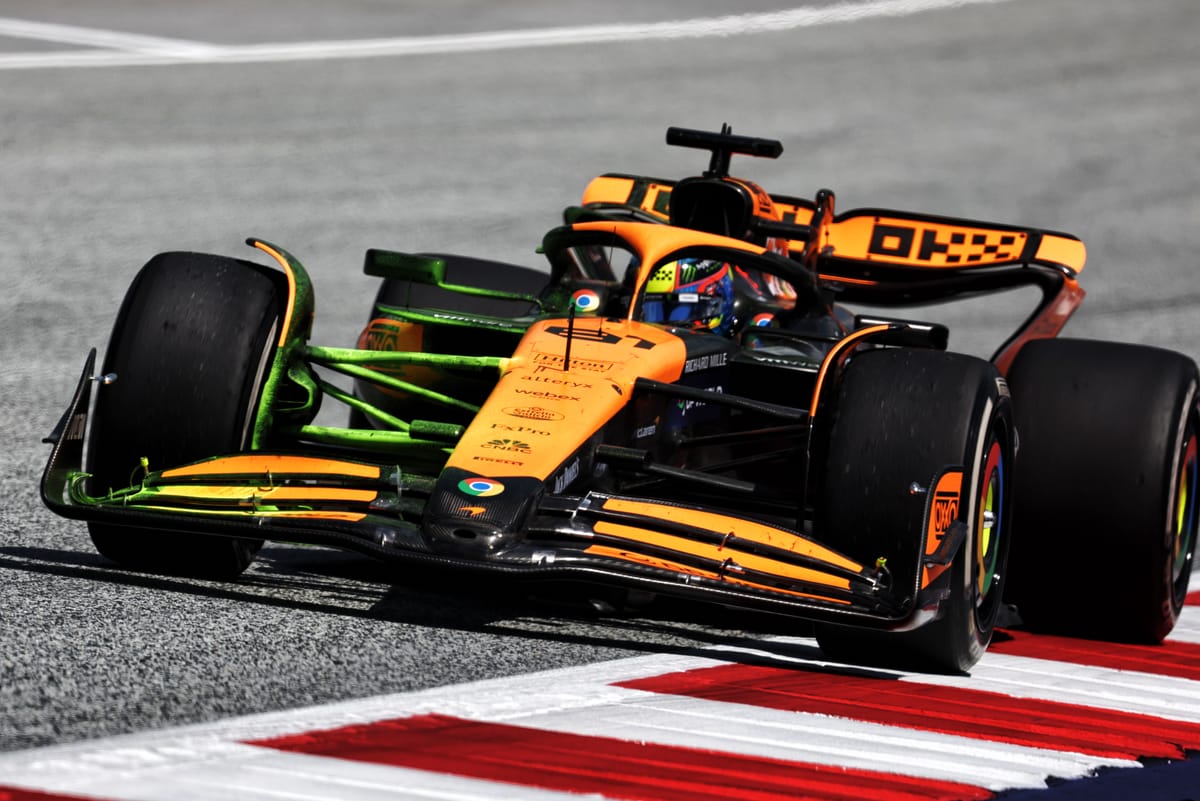
The summer break remains a crucial feature of the season — the three-week hiatus separates the Hungarian Grand Prix from the Dutch Grand Prix, allowing teams some much-needed downtime. This break not only supports team well-being but provides opportunities to strategize and enhance their cars mid-season.

"F1 is as much about strategy and agility as it is about speed," reflected a senior team manager, emphasizing the importance of the summer break in recalibrating the teams’ approaches.
"F1 is as much about strategy and agility as it is about speed,"
Championship Implications

The organization has meticulously planned the geographical order of races, beginning with Oceania and Asia, followed by a transition through Europe before moving to the Americas. Following the parade of European races in the summer, the championship will make its way back to the Americas before concluding in the Middle East with back-to-back races in Qatar and Abu Dhabi.
Looking Ahead
Looking toward the future, 2025 marks the last year for the current power unit configuration introduced in 2014. In 2026, F1 prepares to usher in a new era of technology by eliminating the MGU-H and increasing the MGU-K’s power output. "We're really excited about what this change means for the future of the sport and how it can push the boundaries of performance and sustainability," said F1’s technical director during a recent press conference.
"We're really excited about what this change means for the future of the sport and how it can push the boundaries of performance and sustainability,"
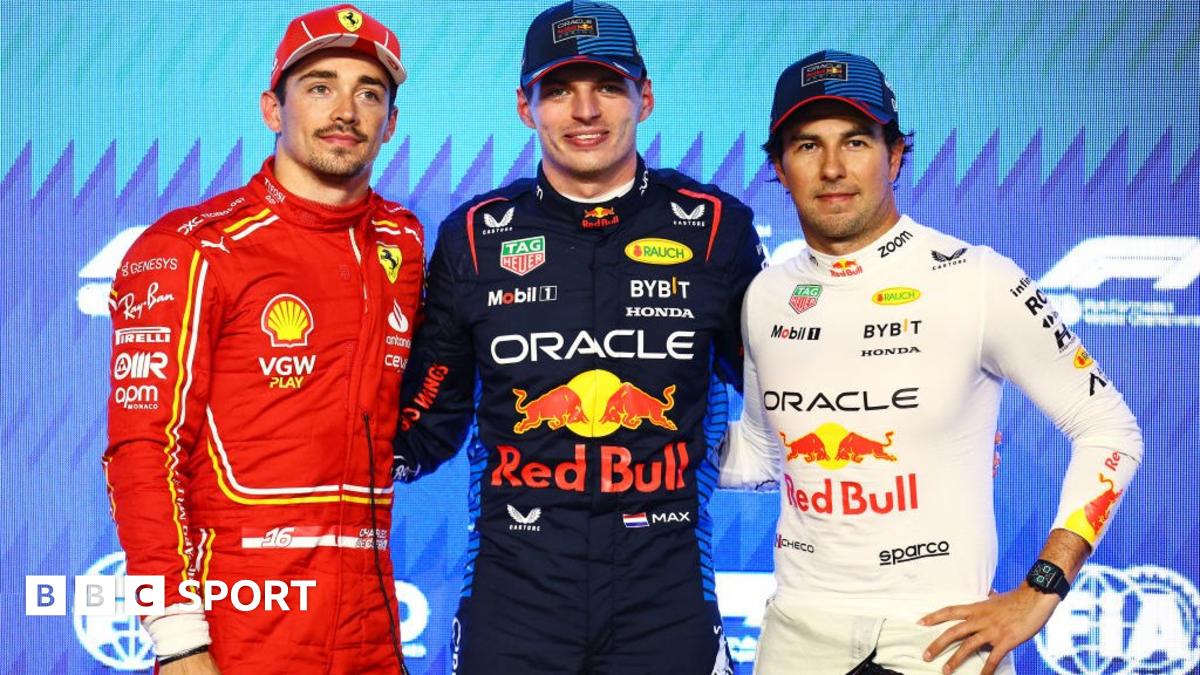
As the season gears up, fans can look forward to numerous highlights including iconic races such as the Monaco Grand Prix from June 5 to June 7, the Italian Grand Prix from September 4 to September 6, and the Las Vegas Grand Prix from November 20 to November 22. Enthusiasts anticipate thrilling moments on circuits renowned for their challenge and spectacle.
Championship Implications
The diverse locations and cultures represented in the 2025 calendar amplify the global appeal of Formula 1. "F1 is a celebration of speed and global unity, and each venue has its own unique flavor that adds to the championship's story," said a Formula 1 spokesperson.
"F1 is a celebration of speed and global unity, and each venue has its own unique flavor that adds to the championship's story,"
The busy calendar of races not only promises to deliver edge-of-the-seat action but also poses significant challenges for teams and drivers as they navigate the rigorous demands of back-to-back weekends and varied circuits worldwide.
As teams fine-tune their strategies and gear up for the season ahead, the dynamics of competition will undoubtedly shift with the impending changes in power unit technology post-2025. This impending evolution in technical regulations is expected to reshape the narrative of the championship in years to come, ultimately redefining the landscape of the sport. As the world watches, 2025 is set to be a defining year before the dawn of a new technological age in Formula 1.